The Cockroach Party and the Politics of Being Insulted
Uses the speech voice supplied by your browser or device.

Acronyms used in this post:
CJP — Cockroach Janta Party, a satirical online political formation that used the cockroach as a symbol of insulted but surviving citizens.
CJI — Chief Justice of India, the head of the Supreme Court of India.
BJP — Bharatiya Janata Party, India’s ruling national party.
AAP — Aam Aadmi Party, a political party that emerged from India’s anti-corruption movement.
NEET-UG — National Eligibility cum Entrance Test Undergraduate, India’s national entrance exam for undergraduate medical education.
NTA — National Testing Agency, the government agency that conducts several major entrance examinations in India.
CBI — Central Bureau of Investigation, India’s federal investigative agency.
PLFS — Periodic Labour Force Survey, an official survey used to estimate employment and unemployment in India.
X — The social media platform formerly known as Twitter.
A cockroach is not usually where a democracy expects to find its conscience, but India has never been a country overly respectful of neat filing cabinets.
One day a young Indian hears that people like him have been spoken of as if they were pests. Not citizens. Not students. Not job seekers. Not sons sitting in small rooms with coaching notes, cheap tea, and an exam calendar stuck to the wall like a mild form of torture. Pests. Cockroaches.
Then something odd happens.
He does not run away from the insult.
He wears it.
That is the first important thing about CJP. It did not rise because India suddenly developed an insect problem. It rose because a section of young Indians felt that the insult had already been living in the walls for years. The word merely switched on the kitchen light.
The reported origin was a remark attributed to CJI Surya Kant, later clarified as being aimed at people entering professions through fake degrees rather than unemployed youth generally. That clarification should not be casually brushed aside. Fairness demands it. But politics does not move like a court transcript. It moves like hot air in May. Once released, it finds every crack.
And India in 2026 has many cracks.
A young person preparing for government jobs or medical entrance exams in India does not live in a normal relationship with time. He lives in a queue. Then another queue. Then a website that crashes. Then a notification that does not come. Then a rumor that the paper leaked. Then a minister saying the system is robust. Then a re-test. Then a coaching-center advertisement promising “sure success,” which is one of the most ambitious lies ever printed on a vinyl banner.
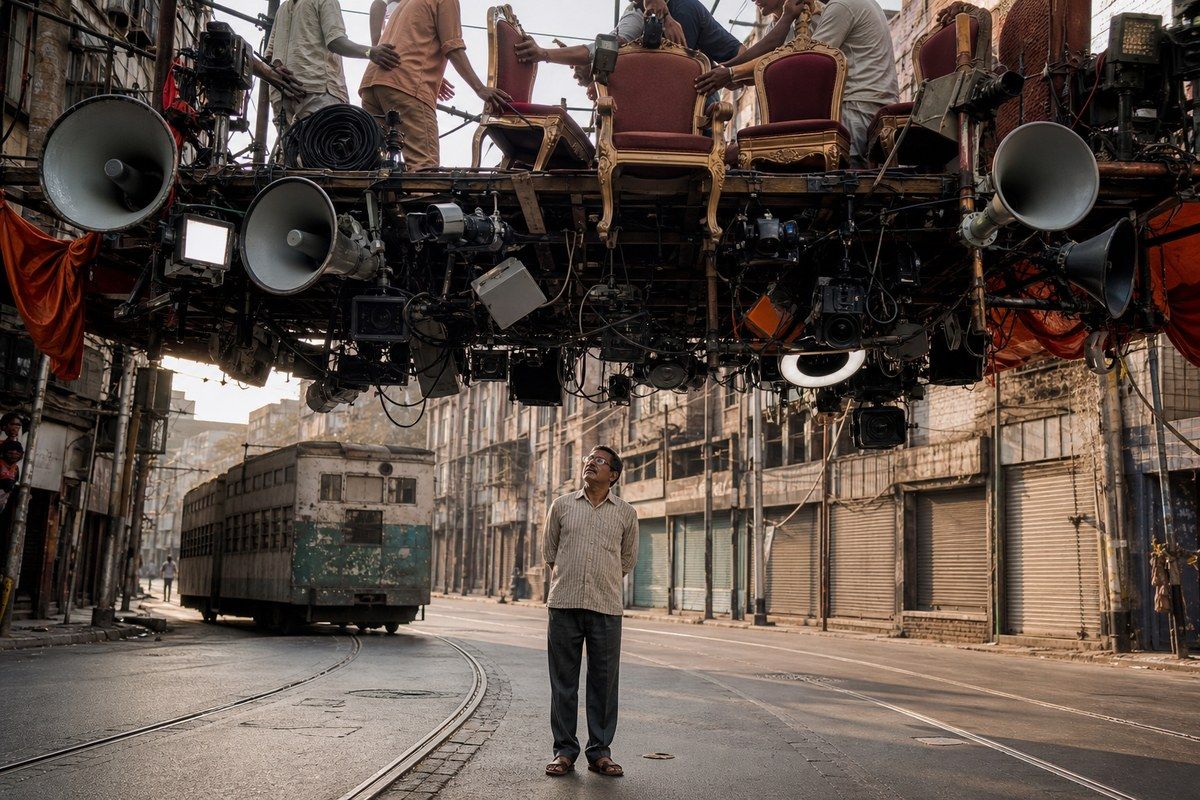
If you are middle-aged in the southern fringe of Calcutta, as I am, you see this in small domestic ways. The boy in the next lane grows a beard between attempts. The girl who once corrected everyone’s English now quietly teaches tuition. A father buys another set of guidebooks with the expression of a man purchasing onions during inflation: pained, suspicious, and slightly patriotic against his will. The mother says, “This year it will happen.” Everyone knows the sentence is both blessing and bandage.
So when CJP appeared online, it did not create the anger.
It gave the anger a face.
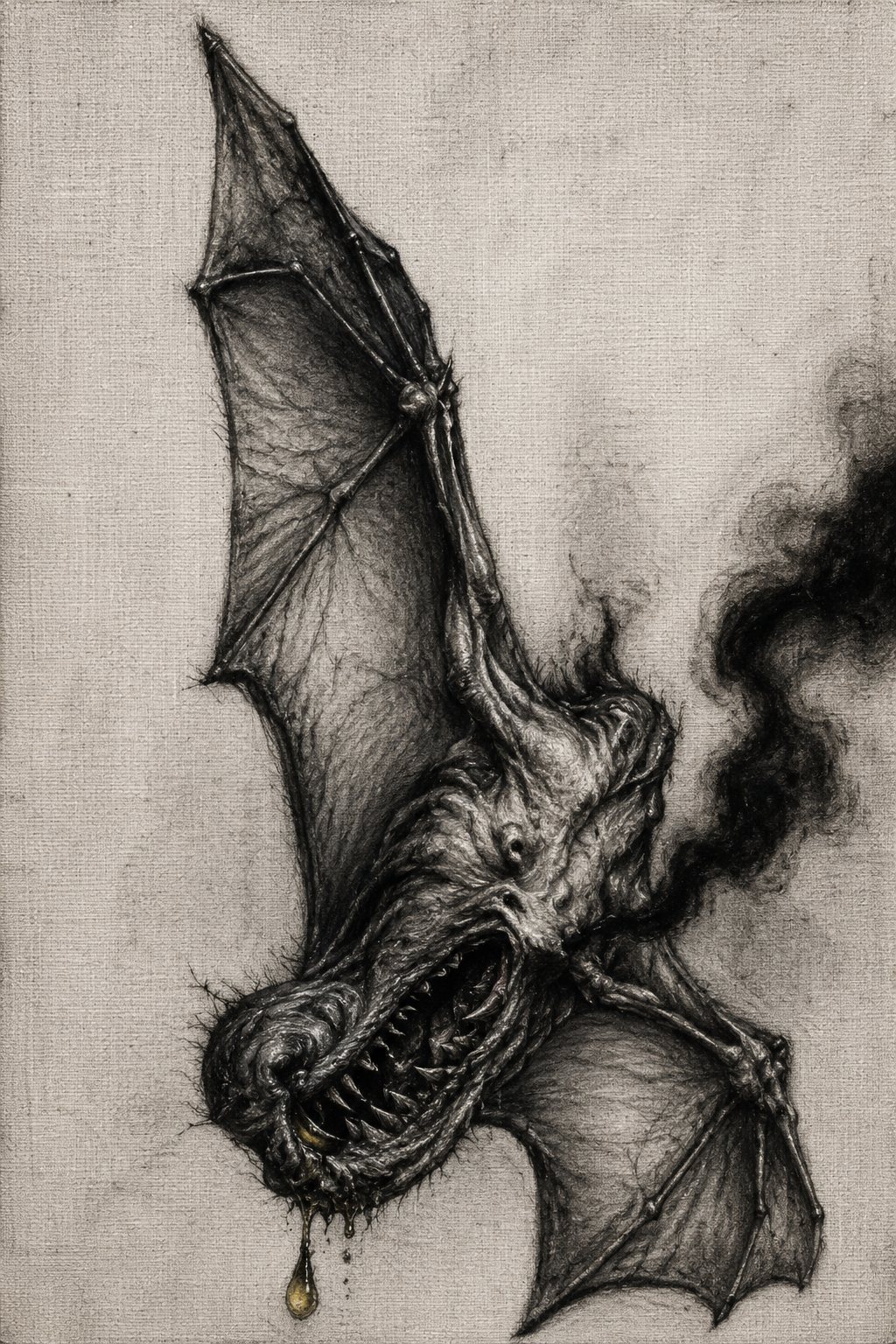
A ridiculous face, yes. A cockroach in a cap, sometimes dressed like a corporate fellow who has discovered PowerPoint and moral decay in the same week. But ridiculousness was the point. Indian politics is already full of grand symbols: lotus, hand, broom, elephant, cycle, hammer, sickle, conch, flag, statue, slogan, portrait, shawl, scarf, cap. The cockroach entered like an uninvited guest at a wedding buffet and somehow told the truth more clearly than the official speakers.
Reports said the page gathered millions of followers within days, with some accounts putting the number above fifteen million. That number should be treated carefully, because social media is a hall of mirrors where one never knows which reflection is human, which is bot, and which is an enthusiastic cousin from Dubai. But even after applying skepticism with a wet cloth and wiping the glass, the signal remains large. Many young Indians recognized the joke instantly.
Why?
Because the joke was not about insects.
It was about humiliation.
India has a strange habit of celebrating youth in speeches and exhausting them in systems. Every platform wants the young person as demographic gold. Every party wants him as rally crowd. Every startup wants him as user. Every coaching center wants him as recurring revenue. Every family wants him as future security. But when he asks for a fair exam, timely recruitment, clean process, honest counting, and a little dignity, he is suddenly told to be patient, disciplined, nationalistic, grateful, and quiet.
This is how a citizen becomes a cockroach in his own republic. Not through biology. Through repeated administrative experience.
The NEET-UG controversy sharpened that feeling. Medical entrance exams in India are not merely exams. They are weather systems. They affect train bookings, family budgets, sleep cycles, neighborhood gossip, and the price of hope. When paper-leak allegations or exam irregularities surface, the damage is not limited to marks. Trust itself is punctured. The honest candidate begins to suspect that effort is a small boat and cheating is a private bridge.
That suspicion is poison.
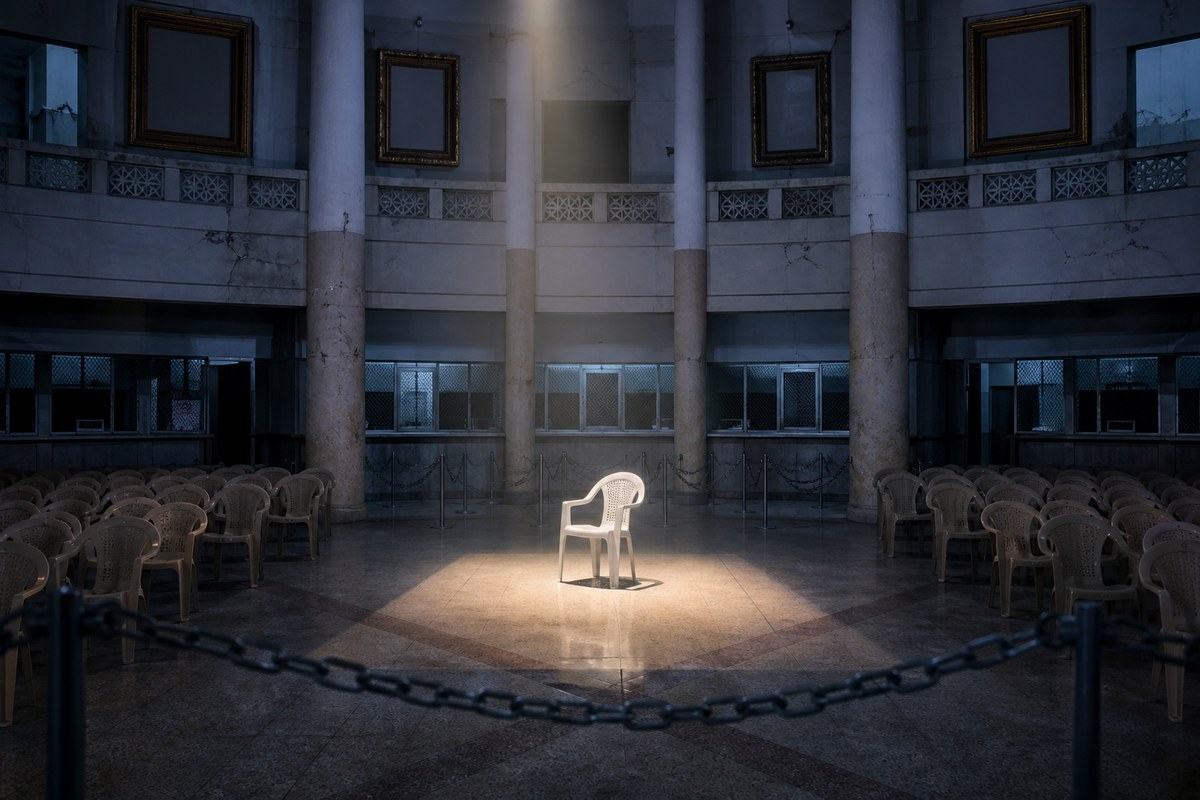
Then there is the larger democratic anxiety. West Bengal’s voter-roll controversy, including claims around large-scale exclusions and disputed entries, became one more chapter in the growing public worry that even the basic machinery of citizenship is no longer beyond suspicion. A voter list sounds dull until your name is missing from it. Then it becomes the whole Constitution printed in invisible ink.
The old civic promise was simple: you may be poor, ignored, delayed, and overcharged for cooking gas, but you are still a voter. You still have that one small official thunderclap. If people begin to believe that even this thunderclap can be muffled by procedure, democracy does not collapse dramatically like a film set in a storm. It goes damp. It smells. The ceiling flakes. People learn to live under the stain.
This is where CJP becomes more than a meme.
It shows that democratic feeling can survive outside formal democratic channels. That is good news and bad news. Good news because citizens still have nerves. Bad news because the institutions that should carry those nerves seem, to many, either captured, tired, frightened, over-managed, or busy adjusting the microphone.
The opposition should pay attention here. Not with the usual sadness of politicians discovering young people only after a trend report lands on the table. It should ask why a satirical cockroach can attract attention to public frustration faster than many established parties can do with press conferences, marches, and solemn statements issued in language so dead that even the printer must feel bereaved.
This does not mean CJP is a replacement for politics.
Let us not become drunk on follower counts. Fifteen million followers do not automatically become fifteen million voters, volunteers, legal petitioners, polling agents, data auditors, student organizers, or people willing to stand outside an office in June heat while a constable explains national discipline with a lathi tucked under his arm. Instagram is not a republic. A reel is not a ward committee. A viral logo cannot protect a whistleblower, repair an exam system, or verify a voter roll.
But it can reveal a pressure point.
And sometimes that is enough to frighten power.
The reported withholding of CJP’s account on X in India added another layer. Social media companies like to present themselves as global town squares, but the square has invisible trapdoors. An account can vanish in one country because of legal demands, platform policies, government pressure, corporate caution, or some mixture that ordinary users never fully see. To a young person, the lesson is brutal and useful: this is not your house. You are renting a corner of someone else’s server.
That realization may be the most politically educational part of the whole episode.
For years, many young Indians were told that online platforms were freedom itself. Speak, post, share, build, trend, monetize, influence. Lovely words, all polished like sweets in a glass case. But the moment political satire becomes inconvenient, the glass case may be locked. The user then discovers that digital freedom comes with terms of service, local law, opaque compliance teams, and buttons somewhere far away.
The cockroach, again, is an oddly accurate symbol. It survives in hidden spaces. It knows the house better than the landlord imagines. It appears after dark. It is hard to eliminate. It does not require permission from the dining table.
But there is a darker side.
If young citizens begin to believe that they can only speak by disguising themselves as jokes, that is not a healthy democracy. Humor is wonderful as spice. It is terrible as the only available meal. Satire can open the door, but it cannot be expected to carry the furniture, repair the wiring, pay the rent, and cook dinner while Parliament looks elsewhere.
The real question is not whether CJP is serious.
The real question is why absurdity now feels more truthful than official seriousness.
That should worry everyone, including people who dislike the movement, distrust its founder, question its numbers, or find the insect imagery childish. Fine. Be skeptical. Skepticism is not cynicism. Ask who benefits. Ask how organic the growth is. Ask whether the follower count is clean. Ask whether this is political communication dressed as spontaneous rebellion. These are fair questions.
But do not miss the larger animal walking past the window while examining the pawprint.
Young Indians are searching for a language of protest that does not sound like old party machinery. They do not always want the stale bread of ideology. They want recognition. They want someone to say plainly that rigged exams, delayed jobs, murky voter lists, platform censorship, and ritual television shouting are not separate problems. They are connected by a deeper contempt for the ordinary citizen.
This contempt is rarely announced. It does not arrive with a drum. It arrives as delay. As opacity. As paperwork. As “server down.” As “matter under investigation.” As “please wait.” As “technical issue.” As “anti-national.” As “not maintainable.” As “come tomorrow.”
Come tomorrow is the unofficial anthem of the Indian citizen.
In Calcutta, come tomorrow has its own smell. Damp walls, hot dust, frying oil, railway sweat, cheap perfume, and the faint despair of a man whose ceiling fan makes more noise than air. You go to an office, they send you to another office. You call a number, it rings like a philosophical experiment. You fill a form, then another form proving the first form was born legitimately. After a while, you do not need anyone to call you a cockroach. The system has already arranged the furniture accordingly.
That is why the insult stuck.
Not because Indians love self-degradation. Because sometimes adopting the insult is the first act of refusal. The Dalit movement understood this in a far deeper historical way. Many oppressed groups across the world have taken words thrown at them and turned them into shields, drums, banners, jokes, and finally identity. CJP is not comparable in moral scale to those long struggles, but the mechanism has a family resemblance. Power names you downward. You rename yourself upward, or sideways, or absurdly, so the insult loses its teeth.
The cockroach says: you wanted to reduce me. I will multiply in your imagination.
That is good satire. It is also good political engineering.
The best political symbols are simple enough for a child to draw and elastic enough for a nation to argue over. The cockroach passes both tests. It is ugly, comic, durable, embarrassing, domestic, and universal. Everyone has seen one. Everyone has overreacted to one. Everyone knows it is not supposed to be there, which is precisely why it works.
A youth movement built around a peacock would have sounded vain. A lion would have sounded like a government emblem. A tiger would have sounded like a wildlife campaign. A cockroach sounds like the thing that remains after all the speeches are over and the kitchen is dirty.
There is your politics.
The task now is not to romanticize CJP. That would be foolish. Meme movements can burn brightly and then disappear like cheap incense. They can become personality cults. They can be hijacked by parties. They can mistake mockery for strategy. They can produce endless jokes and no durable institution. They can become merchandise before becoming memory.
But the established system would be even more foolish to dismiss it.
A democracy should fear the moment when its young citizens find parody more believable than Parliament, satire more responsive than student unions, and a cockroach more emotionally available than the opposition. That is not merely a social media event. That is a diagnostic report with bad numbers.
The ordinary young Indian is not asking for paradise. He is asking for a fair exam, a real job chance, a vote that counts, a platform that does not vanish him without explanation, and leaders who do not speak of him as if he were dirt behind the refrigerator.
A small list.
Apparently too large.
So the cockroach walks in, wearing a cap, grinning through the smoke, antennae twitching, carrying the whole absurd dignity of a generation that has been told to wait outside.
And because India is India, half the room laughs, half the room panics, and one clerk somewhere asks for two photocopies.
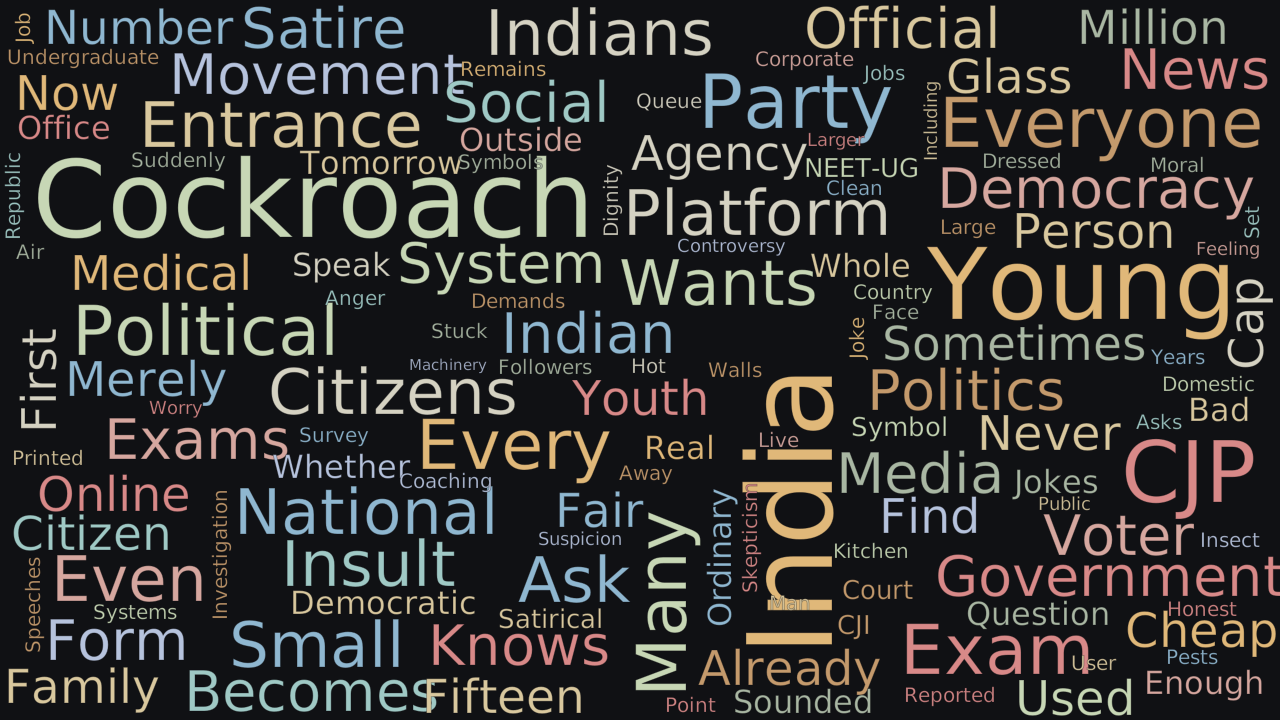
Word Cloud
Related reading
Selected by shared topics and section, with closer publication dates breaking ties.