Why Scrolling Beats Reading, Until It Ruins the Reader
Uses the speech voice supplied by your browser or device.

Acronyms used in this post: AI — Artificial Intelligence, computer systems that perform tasks we normally associate with human intelligence, such as language, prediction, pattern recognition, and decision support.
Scrolling is reading without luggage.
That is why it wins.
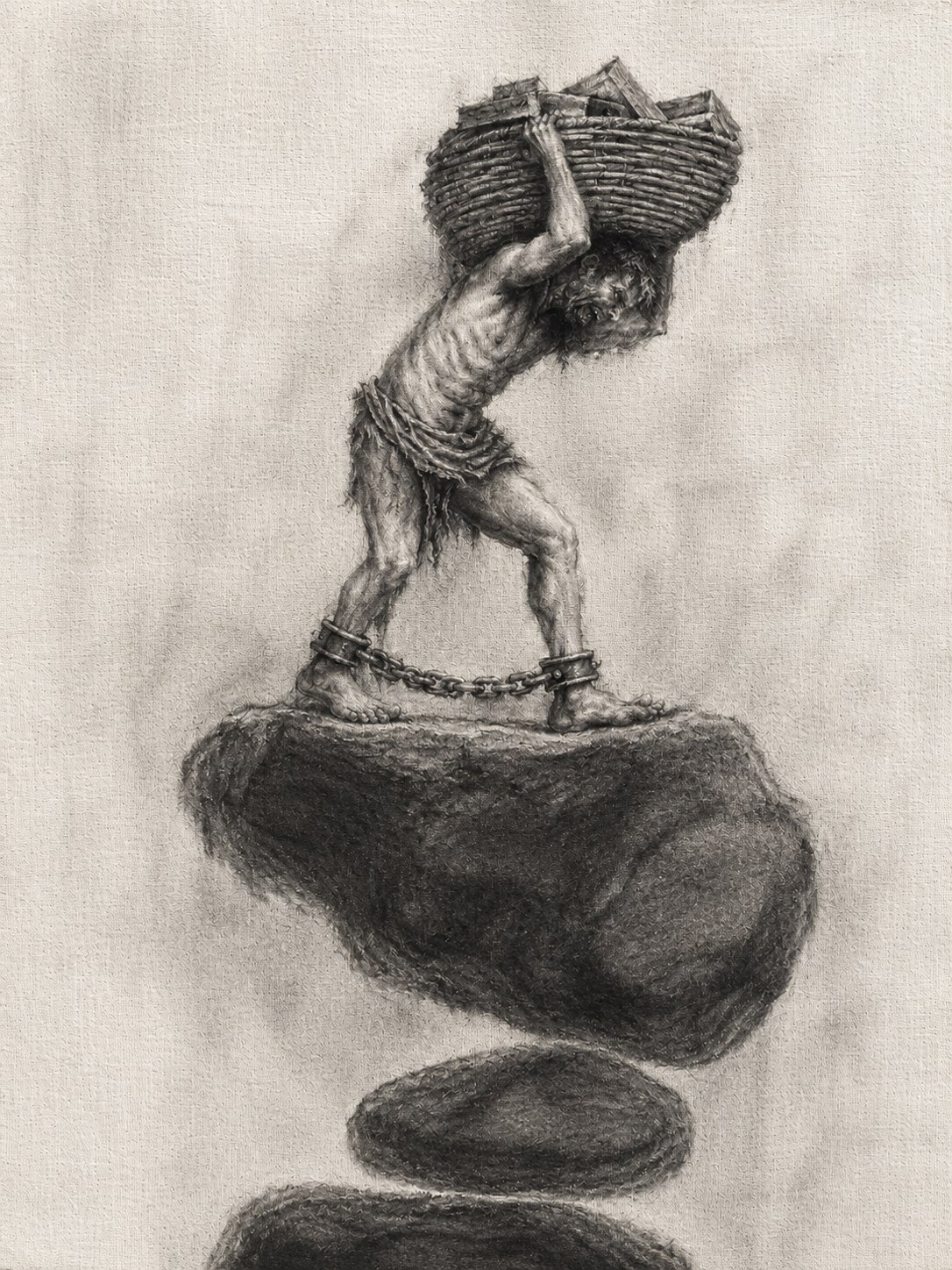
A book gives you one word, then another word, then another, and quietly expects you to behave like a decent citizen of the sentence. You must remember who came in, who left, who lied, what the word “therefore” is doing, and why the author has suddenly dragged a blue umbrella into chapter seven. Reading is not just receiving. Reading is carrying. It is walking through a bazaar with several clay cups of tea in your hands while someone keeps adding one more.
Scrolling also gives you one thing after another. But it does not ask you to carry anything. A video arrives. A joke arrives. A fight arrives. A recipe arrives. A woman in a red sari explains joint pain. A man with the confidence of a small dictator tells you how to become rich by Tuesday. A cat falls off a table. A war appears for eight seconds. Then a cricket clip. Then a face. Then an outrage. Then a song you half remember from 1998, when your hair was more loyal.
Gone. Gone. Gone.
The mind says, thank you, this is easier.
And it is.
The trap is that both activities look sequential from the outside. In both cases the eye moves. Time passes. Content enters. But this is like saying a staircase and a slide are the same because both involve downward motion. A staircase asks your legs to participate in civilization. A slide says, give up, gravity has a plan.
Reading is a staircase.
Scrolling is a slide with advertisements.
The little chemical villain in this story is usually called dopamine, though dopamine is not exactly happiness juice, despite the internet treating it like bottled mango drink. Dopamine is more about wanting, seeking, prediction, and the delicious itch of maybe. Maybe the next item will be funny. Maybe it will be useful. Maybe it will confirm that your enemies are fools. Maybe it will show you something beautiful, scandalous, terrifying, or so stupid that your brain briefly feels superior, which is also a snack.
That maybe is powerful.
A book cannot usually compete with maybe. The next word in a book is trapped by grammar. The next paragraph is trapped by thought. The next page is trapped by the author’s slow attempt to build something that does not fall over like wet cardboard in monsoon rain. A feed has no such modesty. It can become anything at any moment. It is a magician who never finishes the trick because the promise of the next trick is more profitable.
This is where the floor gives way.
Scrolling is not simply easier because it is fun. It is easier because it abolishes responsibility. You do not need to remember the previous post to enjoy the next one. You do not need to maintain a plot, a theory, a family tree, a historical timeline, a moral argument, or even your own opinion from thirty seconds ago. The feed forgives all amnesia. In fact, it depends on it.
A book is more irritating. It has expectations.
A novel says, remember this person. An essay says, remember this claim. A science book says, remember this little mechanism, because in ten pages I will make it explain the universe, or at least why your toaster hates you. A history book says, remember the tax, the famine, the railroad, the treaty, the insult, and the man with the moustache, because later the whole continent will catch fire and you should not look surprised.
Reading is sequential, yes, but it is cumulative.
Scrolling is sequential, but disposable.
That is the whole quarrel in one small brass bowl.
In reading, the mind must keep a global shape alive. This is working memory, which is a fancy name for the brain’s small, overworked table. You can place only a few things on it before the cups start falling. A sentence puts one cup there. A paragraph adds a saucer. A plot adds a kettle. A serious argument brings in a gas cylinder and says, keep this safe, I will be back in chapter four.
No wonder we avoid it after a hard day.
By evening, in the shanty edge of Calcutta, after the fan has spent the day sounding like a minor government department, after the tea has gone from hot to philosophical, after the phone has delivered bills, messages, missed chances, and three different kinds of nonsense, the brain does not want Tolstoy. It wants small fireworks. It wants the next thing. It wants novelty without homework.
And the thumb, that tiny elected tyrant, obliges.
The problem is not that scrolling gives us rubbish. Sometimes it gives us good things. A lecture clip, a poem, a recipe, an old song, a small kindness from a stranger, a piece of news that matters. The problem is the shape. The feed trains the mind to expect meaning in pellets. One pellet, swallow. Next pellet, swallow. No digestion required.
Reading demands digestion.
This is why a person can read ten thousand words online in a day and still feel less capable of reading a twenty-page essay. The issue is not literacy. The issue is continuity. The mind has been doing little jumps all day. It has not been walking.
Walking is different.
When you read deeply, the reward comes late. First there is resistance. Then a little irritation. Then a clearing. Then, if the writer is good and your brain has not run away to check whether someone liked your comment, a strange thing happens. The sentences begin to connect. The earlier paragraph suddenly matters. The example you thought was decorative becomes a key. A small phrase returns wearing a different hat. The book starts to behave less like a line and more like a room.
This is the pleasure scrolling rarely gives: the pleasure of a structure forming inside you.
Not excitement. Formation.
The feed gives you sparks. Reading gives you wiring.
There is another trick. Scrolling lets you feel busy without becoming responsible for any one thought. This is a very attractive arrangement for the modern anxious mind. You can be informed, entertained, angered, amused, sexually teased, politically inflamed, spiritually advised, financially scammed, and medically confused before breakfast. It feels like life. It feels like participation. It feels like the world has been poured directly into your palm.
But poured things do not automatically become understood things.
Pour rice, dal, fish curry, mishti doi, and tea into one bucket and you have not created lunch. You have created evidence.
Reading separates. It arranges. It says, this belongs before that. This claim depends on that evidence. This emotion is not the same as this fact. This person is not merely good or bad; he is afraid, vain, cornered, tender, cruel on Thursdays, generous when watched, and human in the most inconvenient way.
Scrolling hates that kind of slowness. Complexity reduces click speed.
So the feed prefers sharp objects. Anger. Beauty. Fear. Lust. Status. Humiliation. Victory. Disaster. A clip is most powerful when it arrives already simplified. Here is the villain. Here is the fool. Here is the genius. Here is the miracle cure. Here is the conspiracy. Here is the thing they do not want you to know, though curiously they have allowed it to be distributed on a platform owned by billionaires.
Reading says, not quite.
That “not quite” is civilization.
The ordinary reader does not need to become a monk. This is not a sermon from a man in linen who has renounced electricity and now speaks only to goats. I scroll too. Everyone scrolls. The phone is always nearby, glowing with the moral seriousness of a sweet shop during Durga Puja. It promises comfort. It promises escape. It promises that the next swipe may contain the missing piece of your life, though mostly it contains someone shouting in a parked car.
The question is not whether scrolling is evil.
The question is what kind of mind it leaves behind.
A scrolling mind becomes good at entry and exit. It enters a fragment, extracts a feeling, exits. Again. Again. Again. It becomes quick, reactive, suspicious of boredom, impatient with buildup. It begins to dislike any sentence that does not immediately pay rent.
A reading mind becomes good at staying. It holds the door open for a thought that is not yet fully dressed. It tolerates the awkward middle. It lets a difficult idea be difficult for a while. This matters because almost everything worth understanding has an awkward middle: love, politics, illness, mathematics, history, debt, aging, work, family, and the mystery of why every household has one drawer full of dead batteries and keys to vanished locks.
Here is the catch.
The brain does not merely consume habits. It becomes them.
If you train attention on fragments, fragments begin to feel natural. If you train attention on continuity, continuity becomes possible again. Not easy. Possible. There is a difference. At fifty-one, one learns to respect possible. Easy is usually selling something.
The first fifteen minutes of returning to a book can feel humiliating. The page sits there like an unpaid bill. Nothing moves. Nobody dances. No music tells you how to feel. No comments arrive. No new item appears. The paragraph looks at you with the calm cruelty of a schoolteacher who knows you did not do the homework.
Then slowly, almost grudgingly, the mind remembers.
A sentence connects to the previous sentence. A paragraph begins to lean forward. A small question opens. Why did he say it that way? Why is this example here? What is being hidden? What changes if this is true? The brain, which five minutes ago wanted only bright pellets, begins to build a small bridge.
This is the miracle of reading. Not that it gives information. The internet gives information the way a broken pipe gives water. Reading gives relation. It teaches one thing to stand beside another and not immediately collapse into noise.
That is why reading feels harder than scrolling. It is doing more.
It is asking the mind to remain the same mind long enough to be changed.
Scrolling lets you abandon yourself every few seconds. New item, new mood, new little self. Reading makes you sit with the same self across a length of time. This can be uncomfortable, especially if that self has worries, failures, rent, age, regret, and a phone battery at twelve percent. But it is also how a person becomes more than a weather report of passing impulses.
The feed says, here is another thing.
The book says, stay.
The feed says, you may leave whenever the smallest discomfort appears.
The book says, discomfort may be the doorway.
The feed says, everything is happening.
The book says, something is forming.
And perhaps that is why reading now feels almost rebellious. Not grandly rebellious, not like marching with a flag, but quietly rebellious, like refusing to eat lunch standing over the sink. To read is to tell the machinery of interruption that it must wait outside for a while. To read is to give one thought enough time to unpack its suitcase.
In a world that keeps shouting next, next, next, a page whispers, not yet.
That whisper is worth protecting.
Word Cloud
Related reading
Selected by shared topics and section, with closer publication dates breaking ties.