Physics
Double-pendulum chaos
Release two almost-identical pendulums and watch predictability split apart.
Interactive science gallery
An interactive laboratory for exploring science, mathematics, statistics, algorithms, computer science, healthcare systems, and machine learning with D3, Observable notebooks, p5.js, Canvas, SVG, GLSL, and WebGL.
Now exhibiting
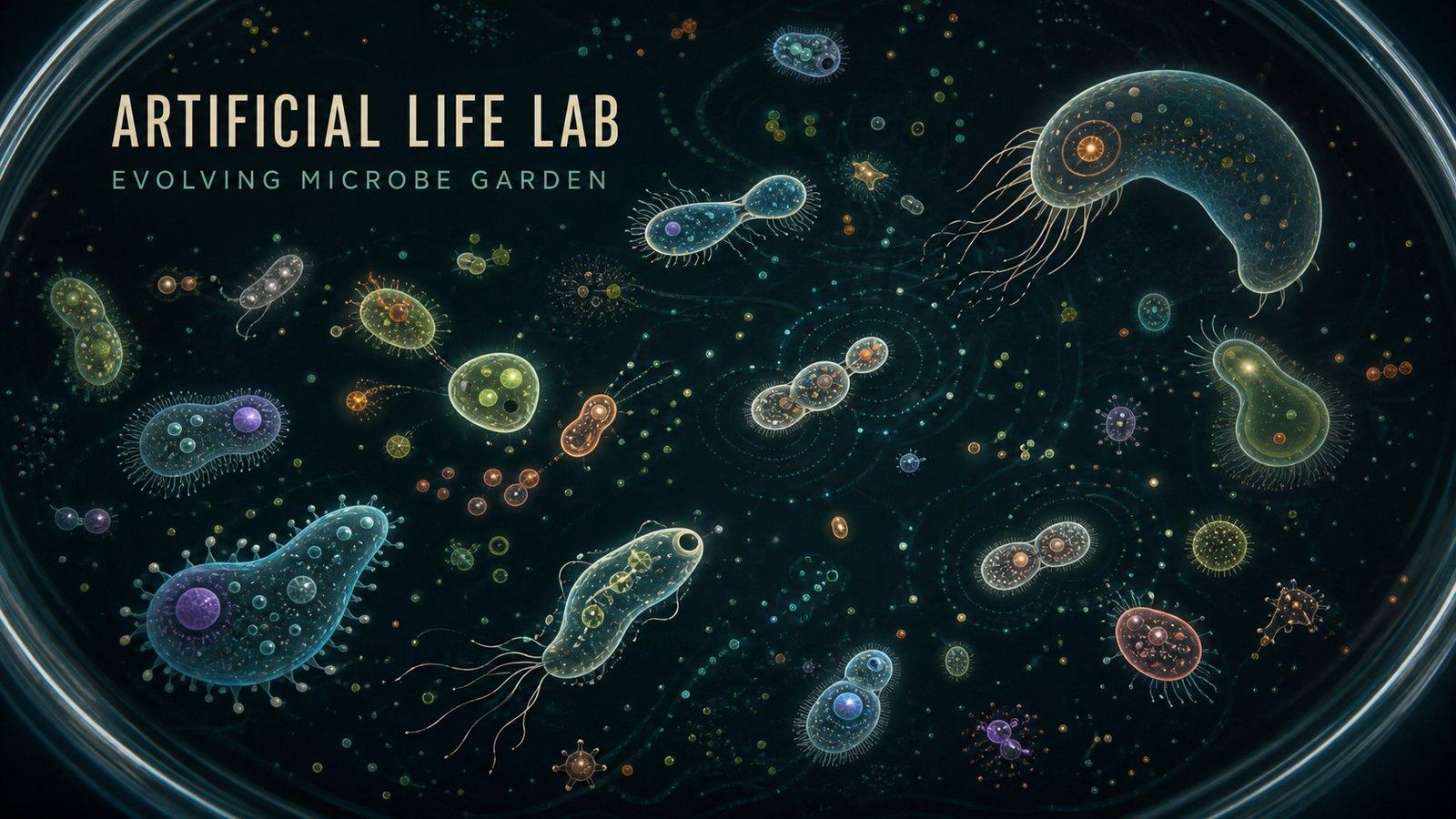
Change resources and inheritance; watch selection emerge.
Artificial Life Lab · Series 01
Live census
0 fps
This advances exactly 240 fixed ticks. Generations overlap, so zero, one, or many births may occur.
Preparing the habitat…
The collection
32 exhibits and growing
Explore 50+ interconnected ideas — probability, feedback loops, LLMs, Bayesian inference — with plain-English explanations and concrete examples.
Enter exhibit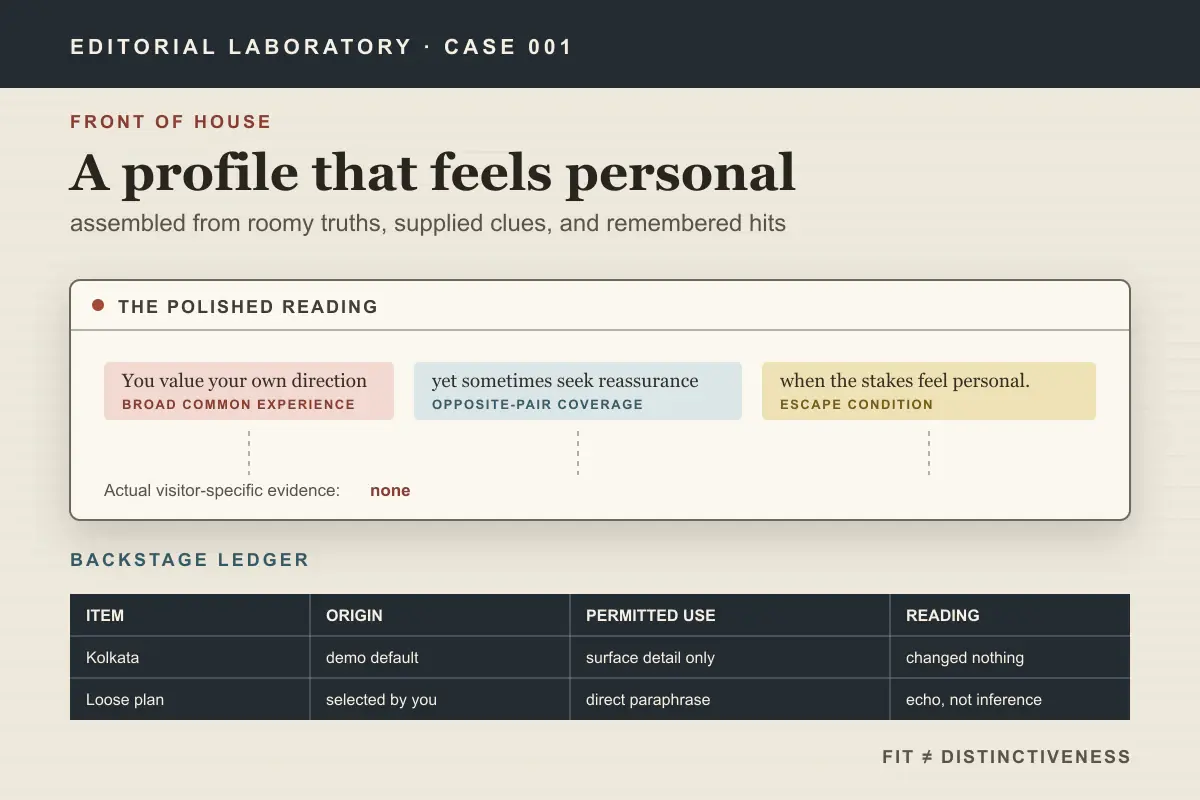
Meet a warm, plausible reading first, then inspect every broad statement, echoed clue, discarded miss, and many-guesses calculation behind it.
Enter exhibit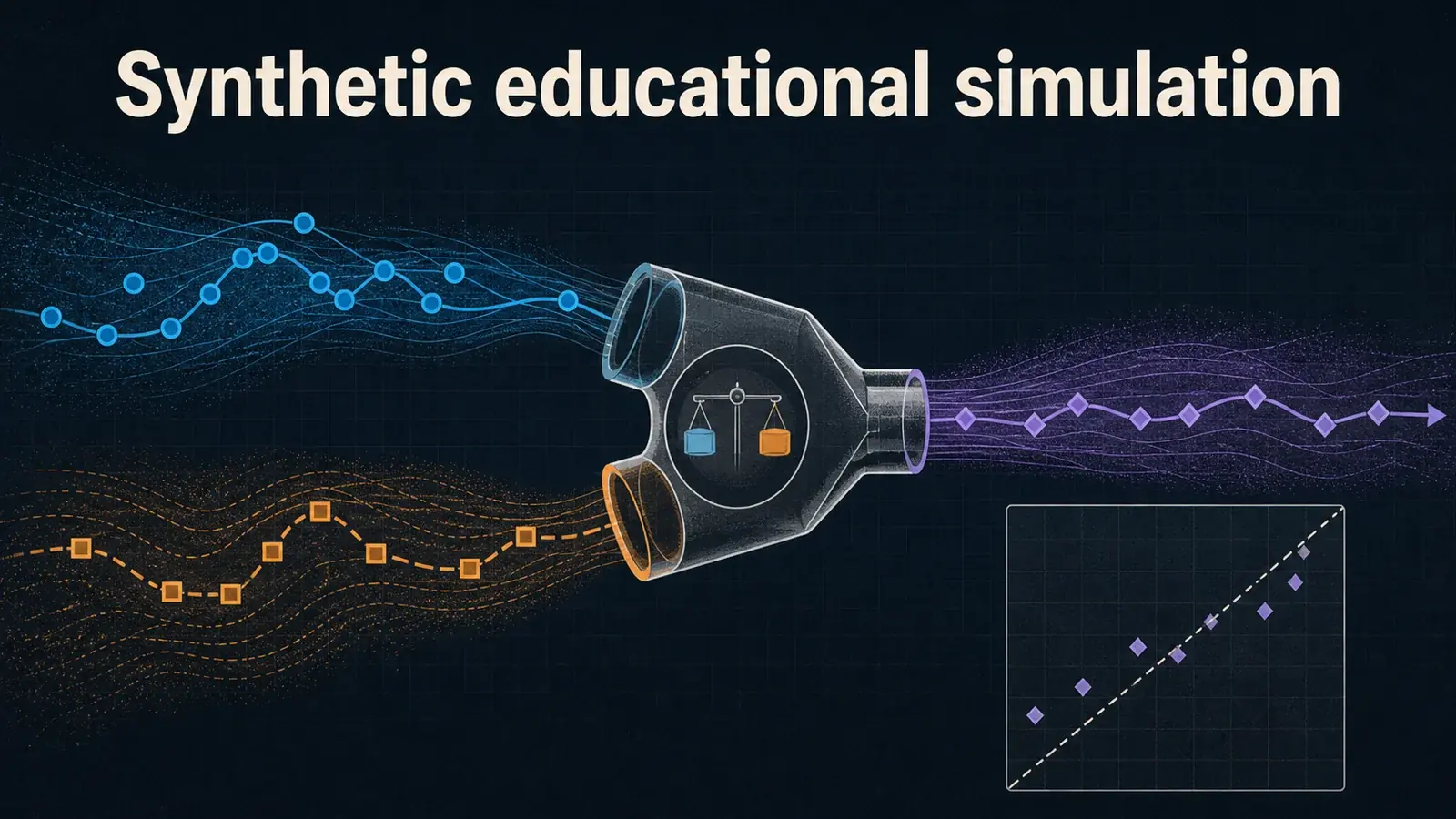
A wholly synthetic ICU laboratory showing when clinician–model probability ensembles improve—and when correlated errors or population shift defeat the average.
Enter exhibit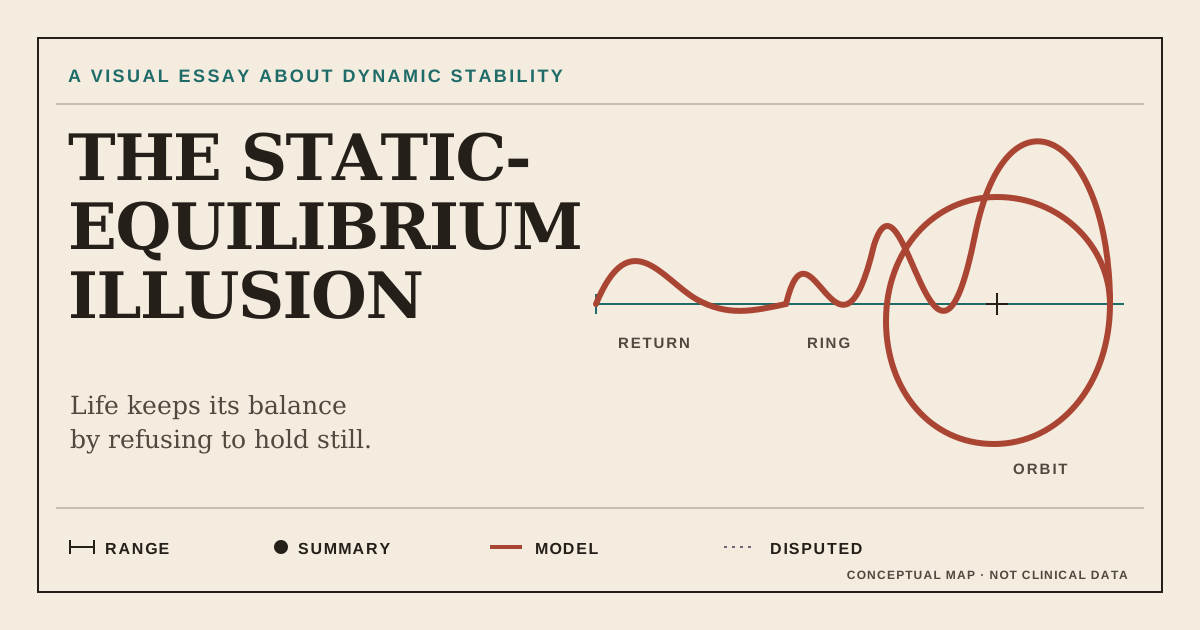
Explore human rhythms, delayed feedback, predator–prey dynamics, and field evidence to see why living stability is a process rather than a frozen number.
Enter exhibit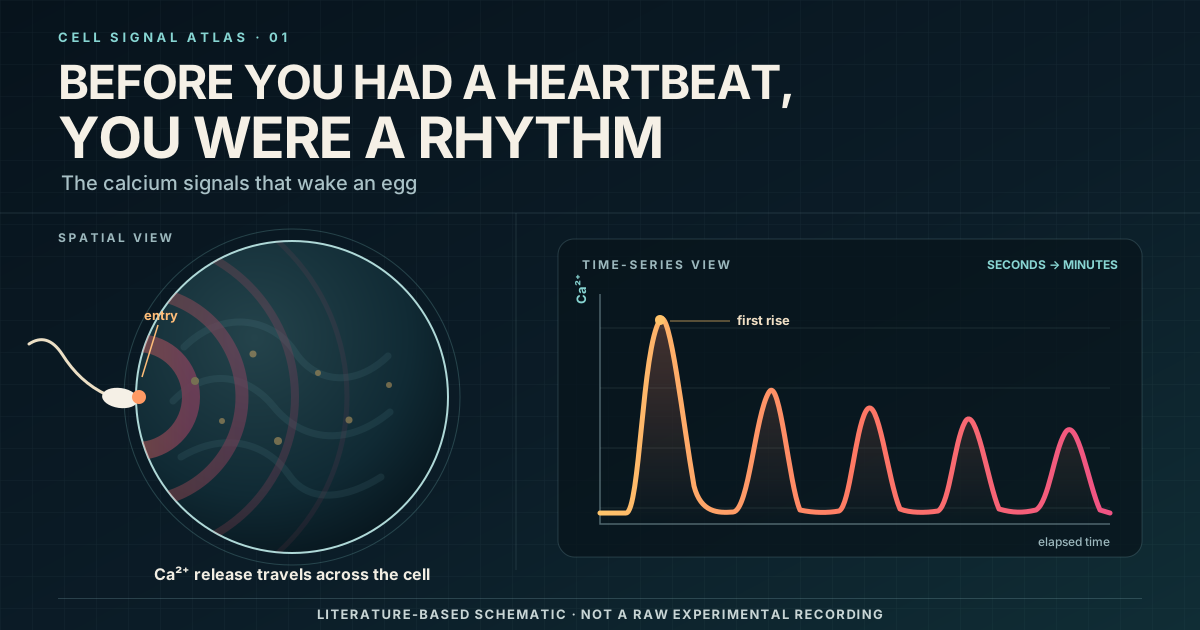
Watch the calcium waves and pulses that activate animal eggs, compare their timing across species, and inspect what each experiment actually measured.
Enter exhibit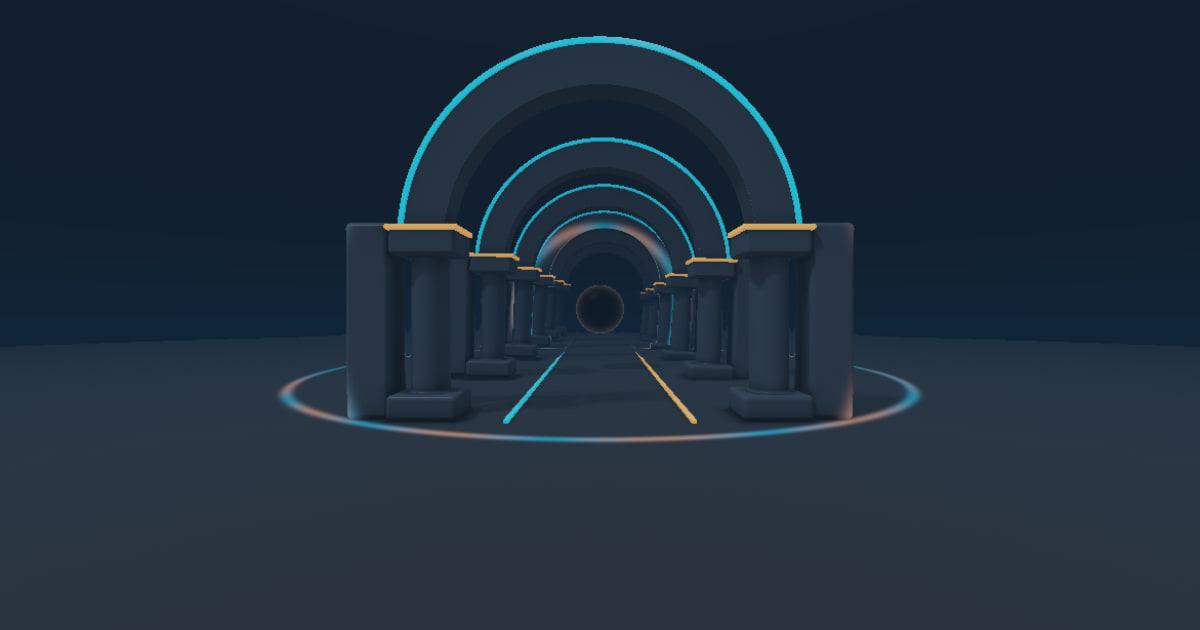
Build an interactive 3D world from signed distance fields, one camera ray and one fragment shader—then walk through the mathematics that makes it visible.
Enter exhibit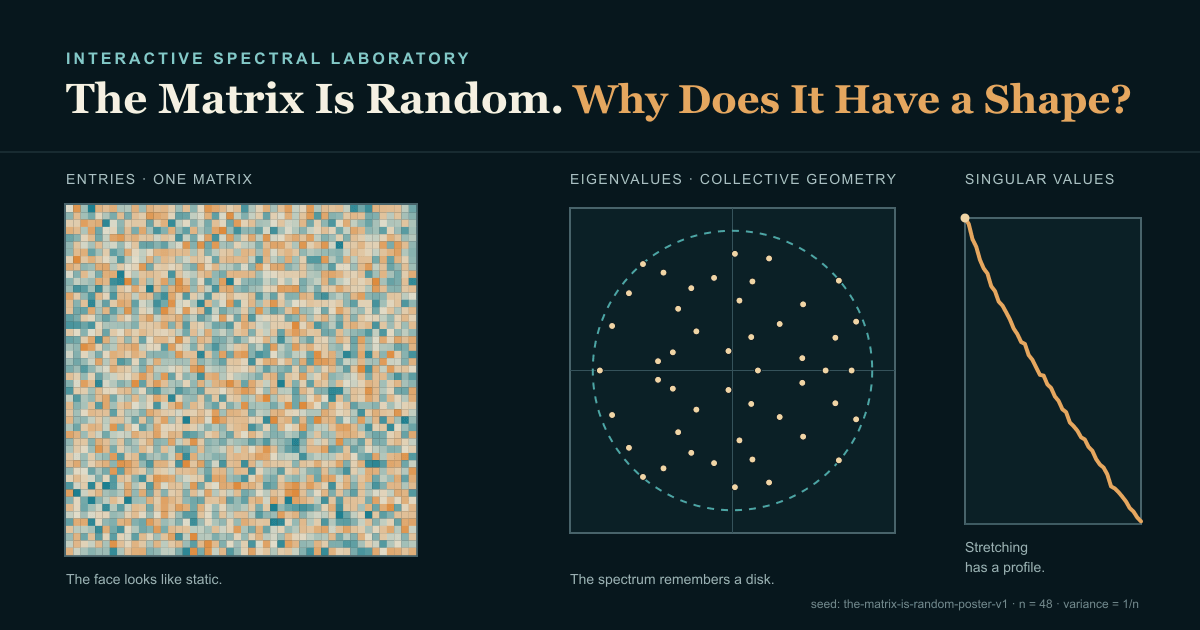
Generate one seeded random matrix, inspect its entries, spectrum, singular values and geometry, then watch stable shapes emerge across an ensemble.
Enter exhibit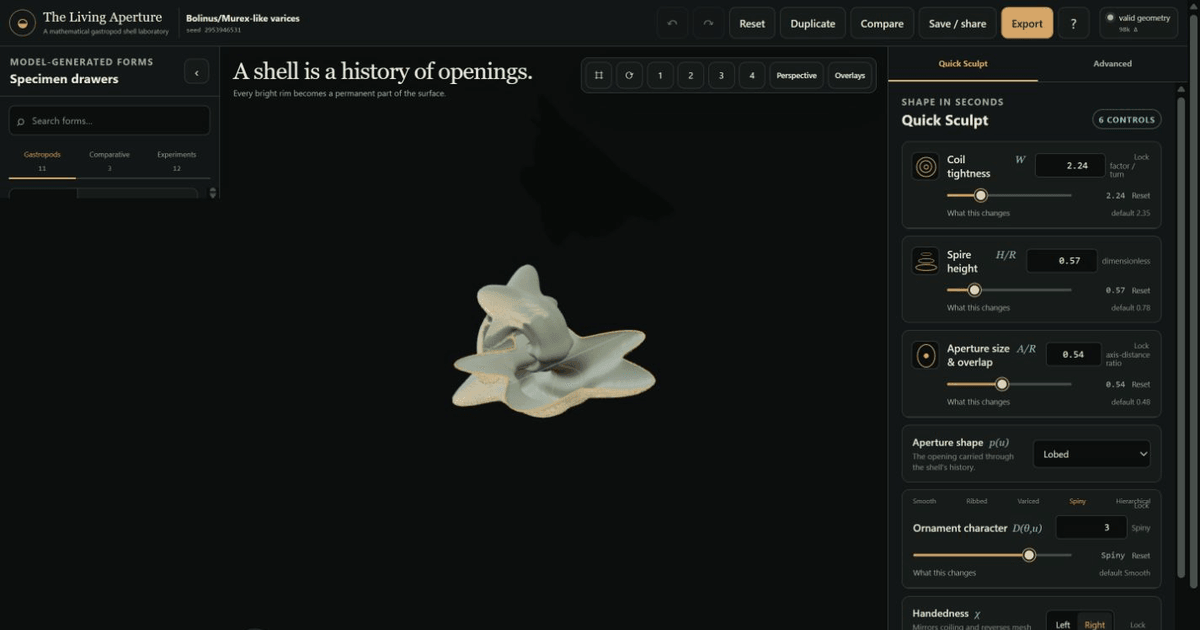
Grow procedural gastropod shells aperture by aperture, sculpt logarithmic coiling and ornament, compare molluscan forms, and inspect model boundaries.
Enter exhibit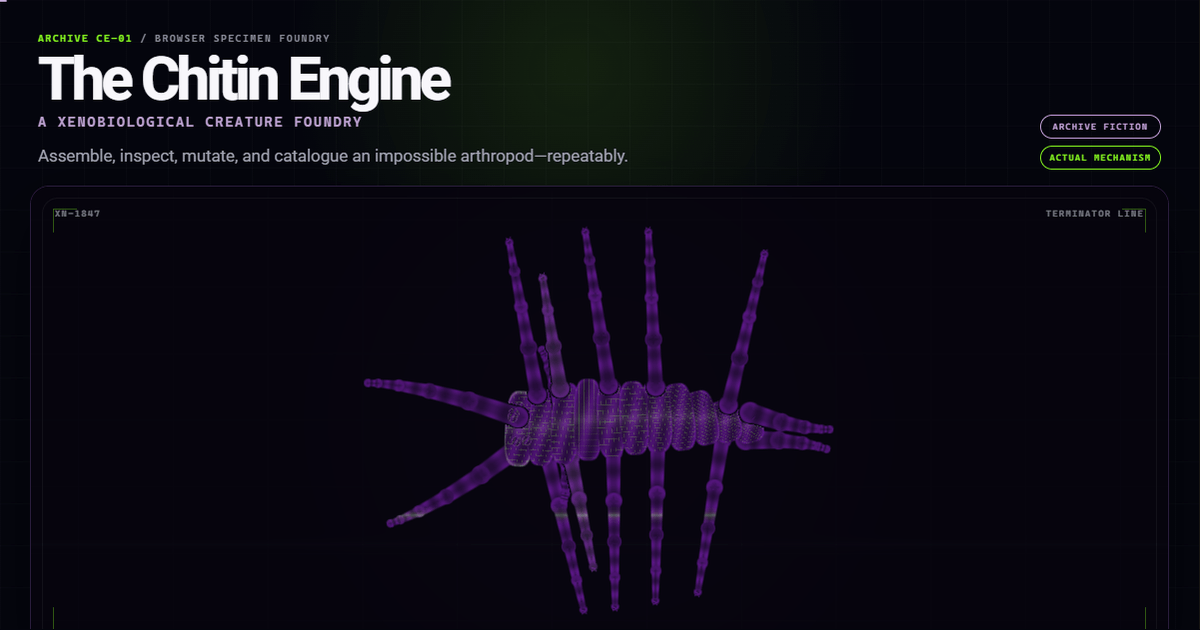
Hatch deterministic alien arthropods from body-plan grammars, cellular armour, and inverse-kinematic legs, then mutate them across imagined worlds.
Enter exhibit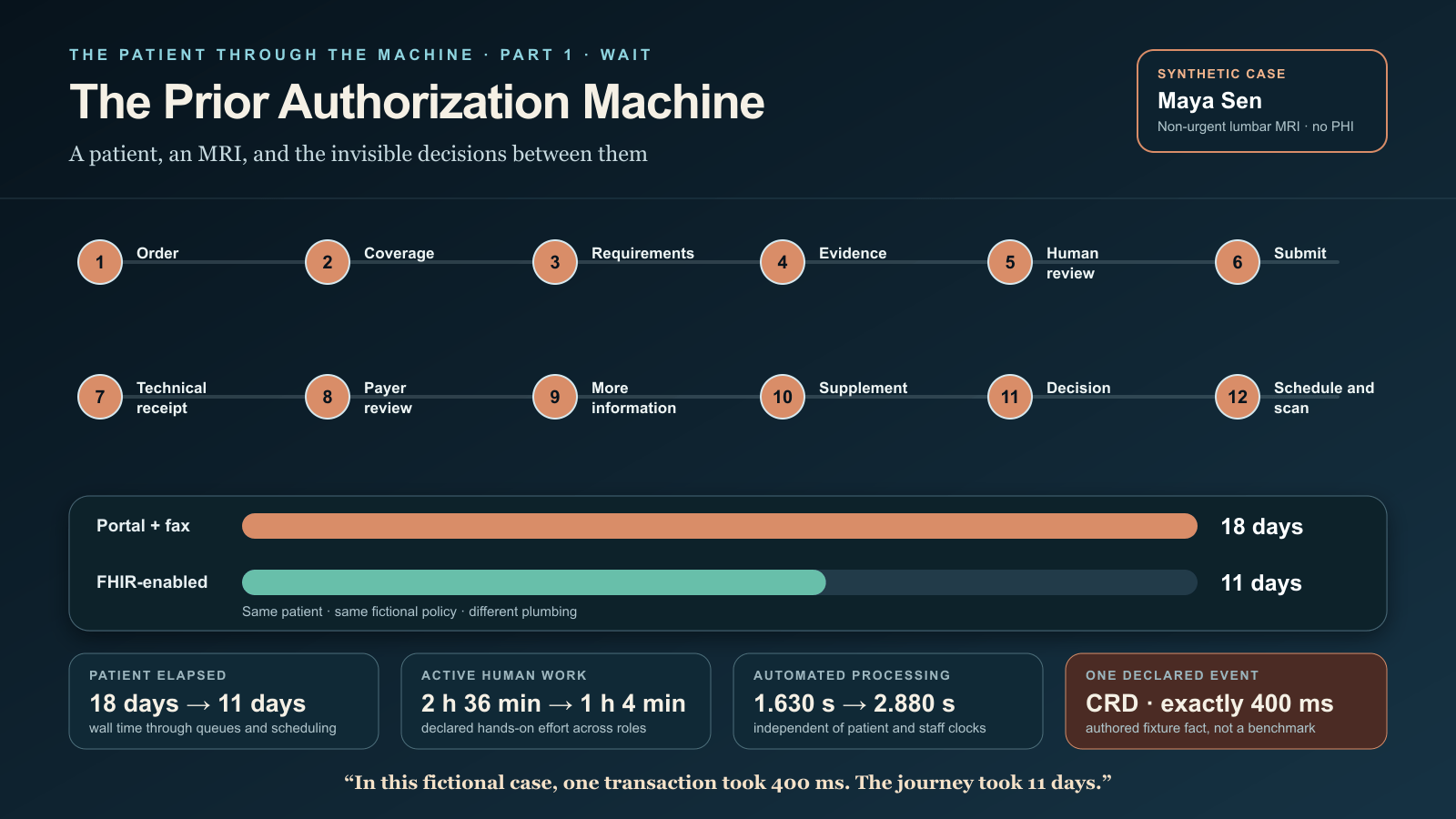
The Patient Through the Machine · Part 1 · WAIT
Follow one fictional MRI request through portal/fax and FHIR-enabled pathways to see transaction time, human work, and patient waiting diverge.
Enter exhibit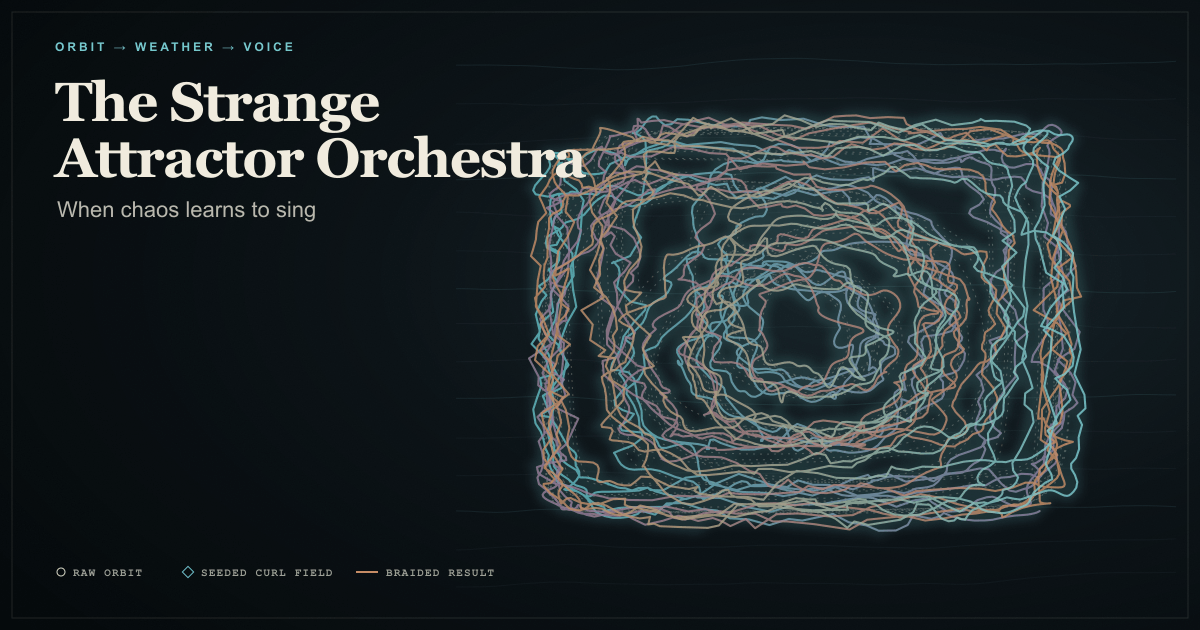
Strange attractors become audiovisual instruments as deterministic chaos passes through coherent noise and emerges as music in the browser.
Enter exhibit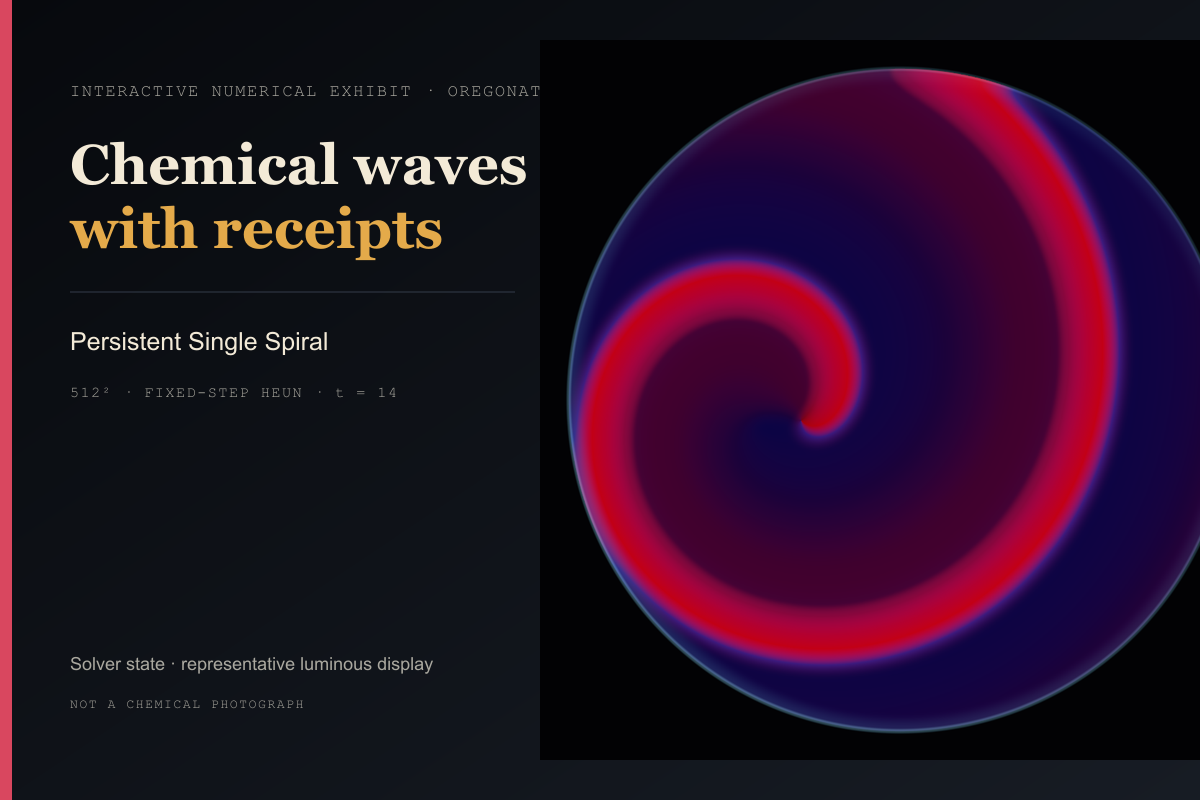
An interactive WebGL laboratory for chemical clocks, target waves, spiral cores, and the crucial difference between BZ waves and Turing patterns.
Enter exhibit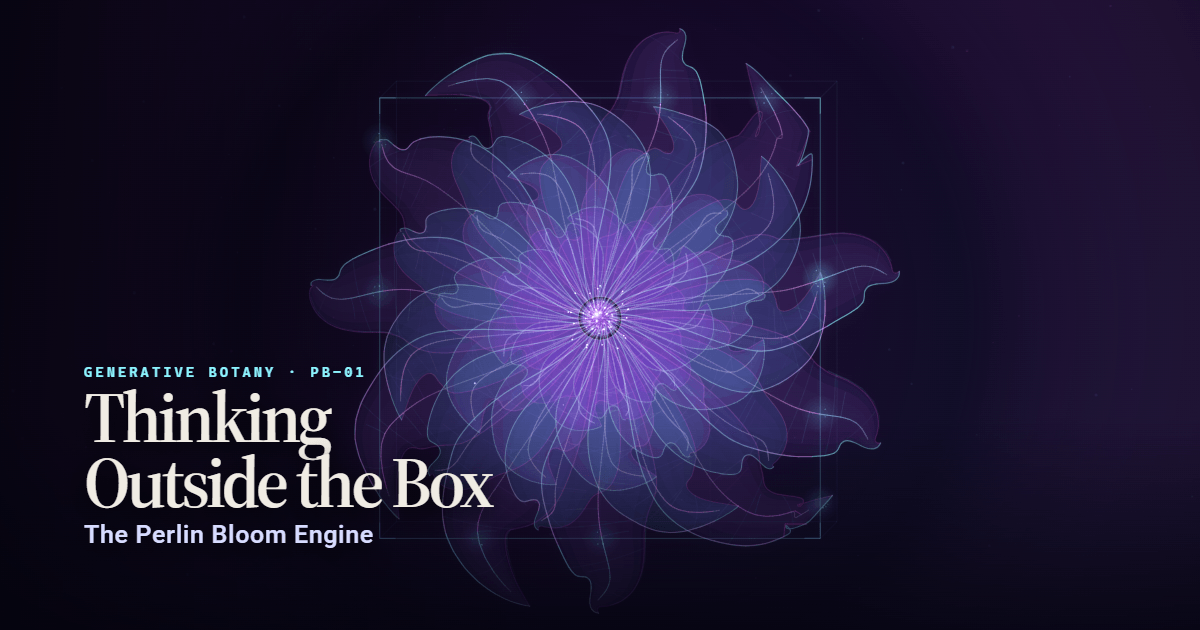
Grow a bioluminescent flower from coherent noise, press it against a holographic boundary, and watch symmetry acquire the courage to escape.
Enter exhibit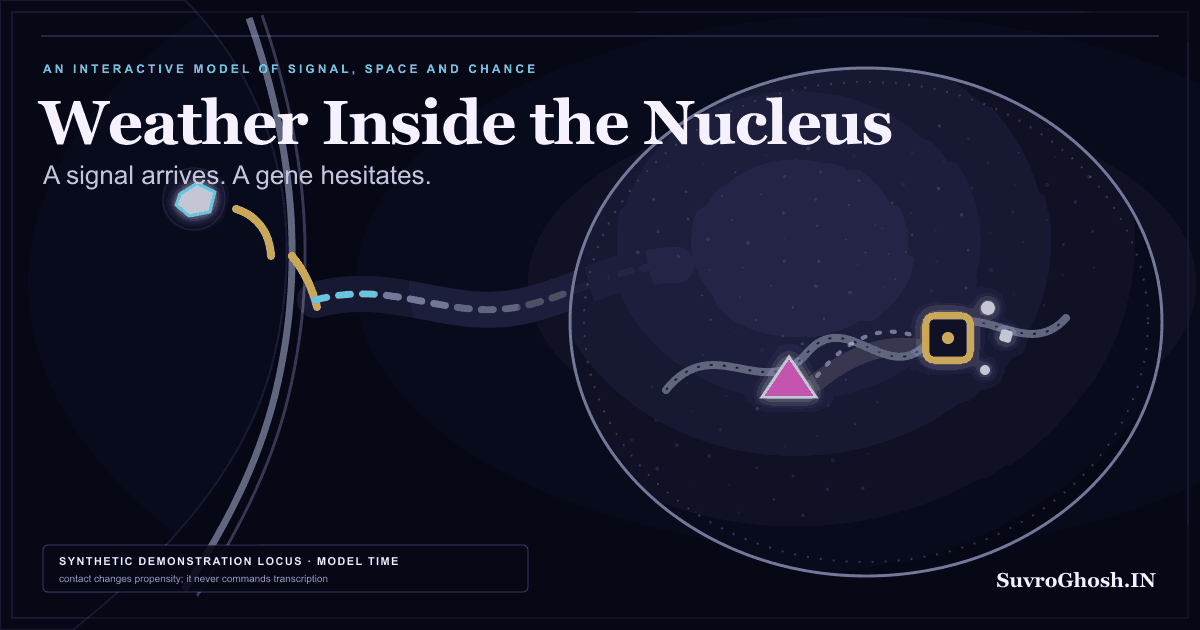
Intervene in a synthetic gene-regulation model and compare 48 matched histories to see how signaling and nuclear geometry change transcriptional odds.
Enter exhibit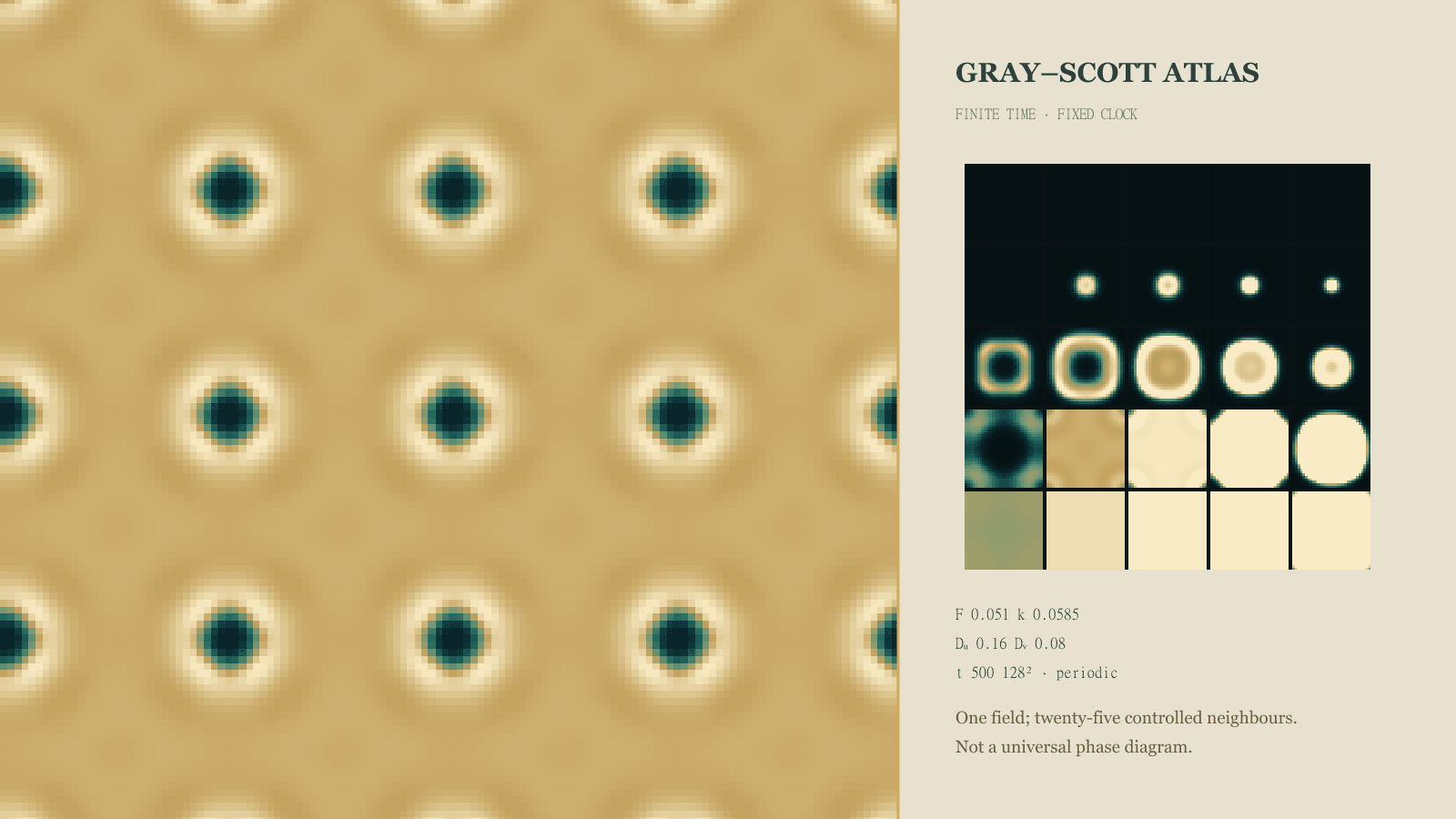
Paint two virtual chemicals, cross the Gray–Scott feed–kill plane, inspect every PDE term, and test whether a pattern deserves belief.
Enter exhibit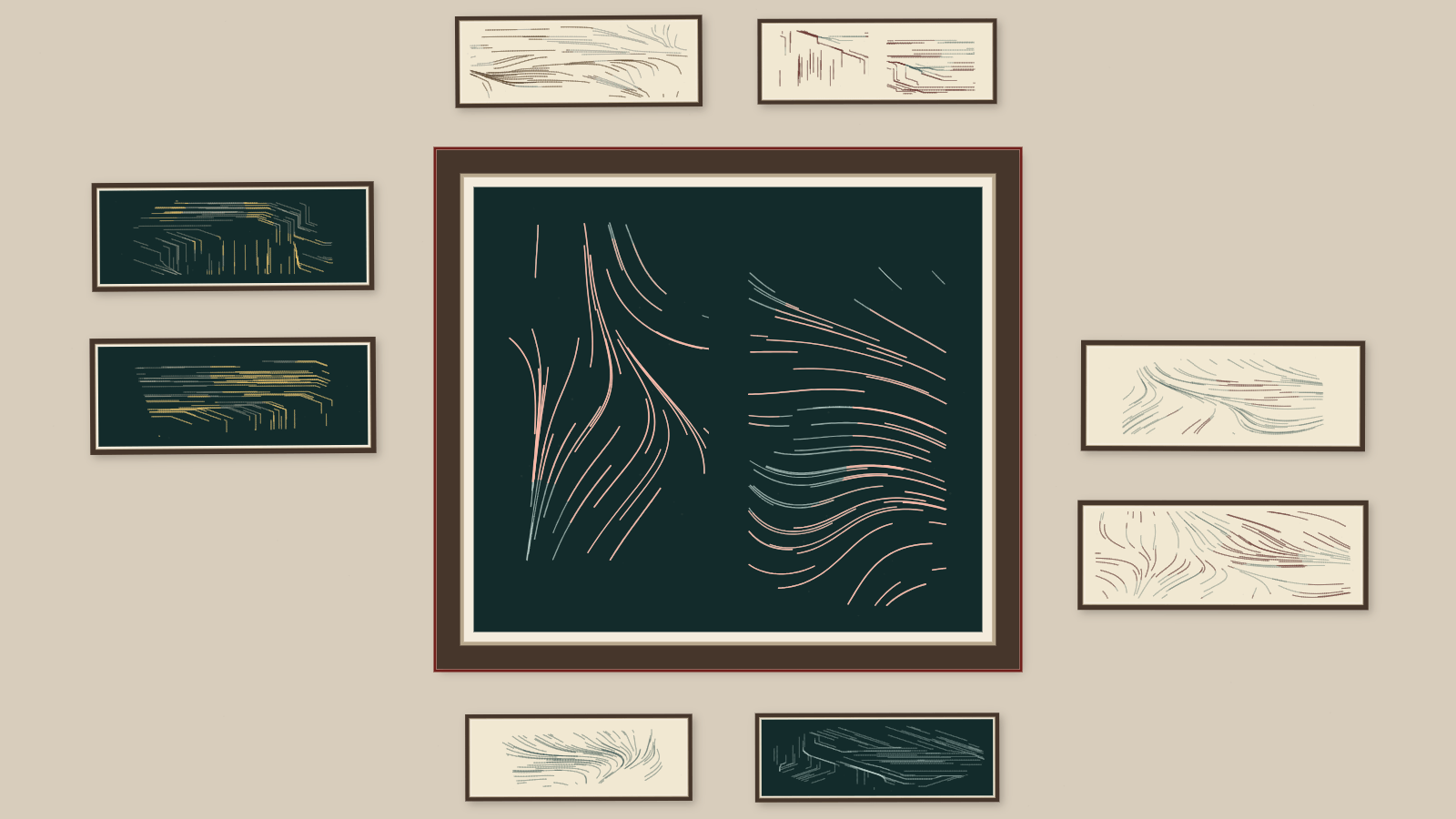
Curate nine deterministic prints from one nested-noise weather field, then freeze, share, inspect, and export the same procedural exhibition.
Enter exhibit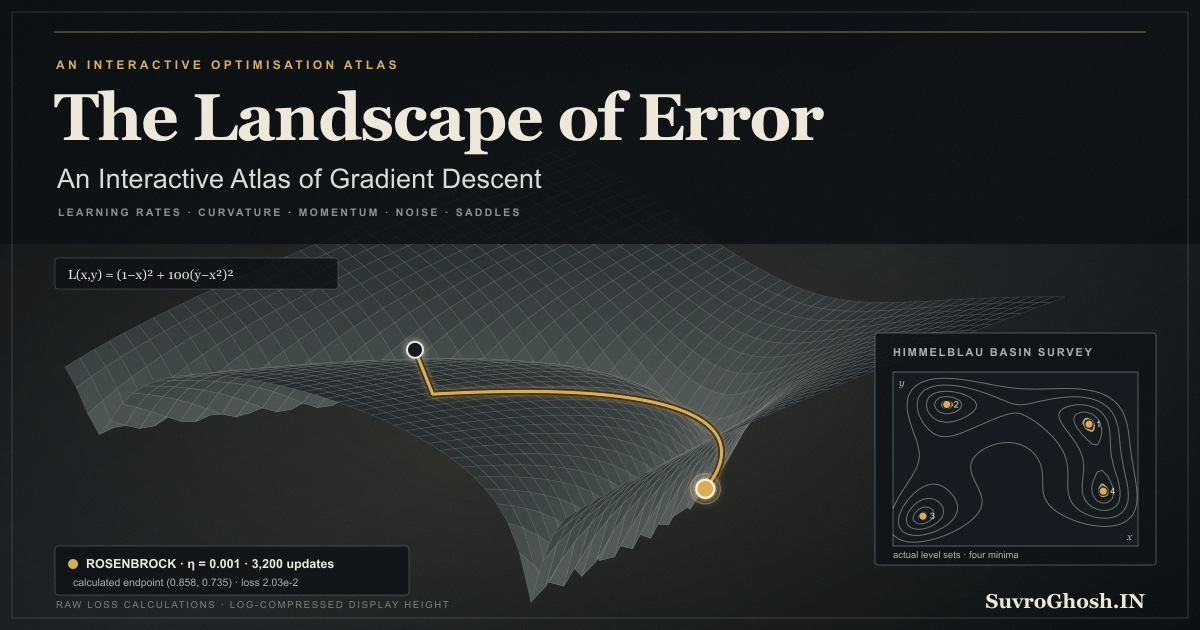
Drop optimisers into bowls, ravines, saddles, and many-valley terrain; compare their paths, inspect curvature, map basins, and fit a regression line.
Enter exhibit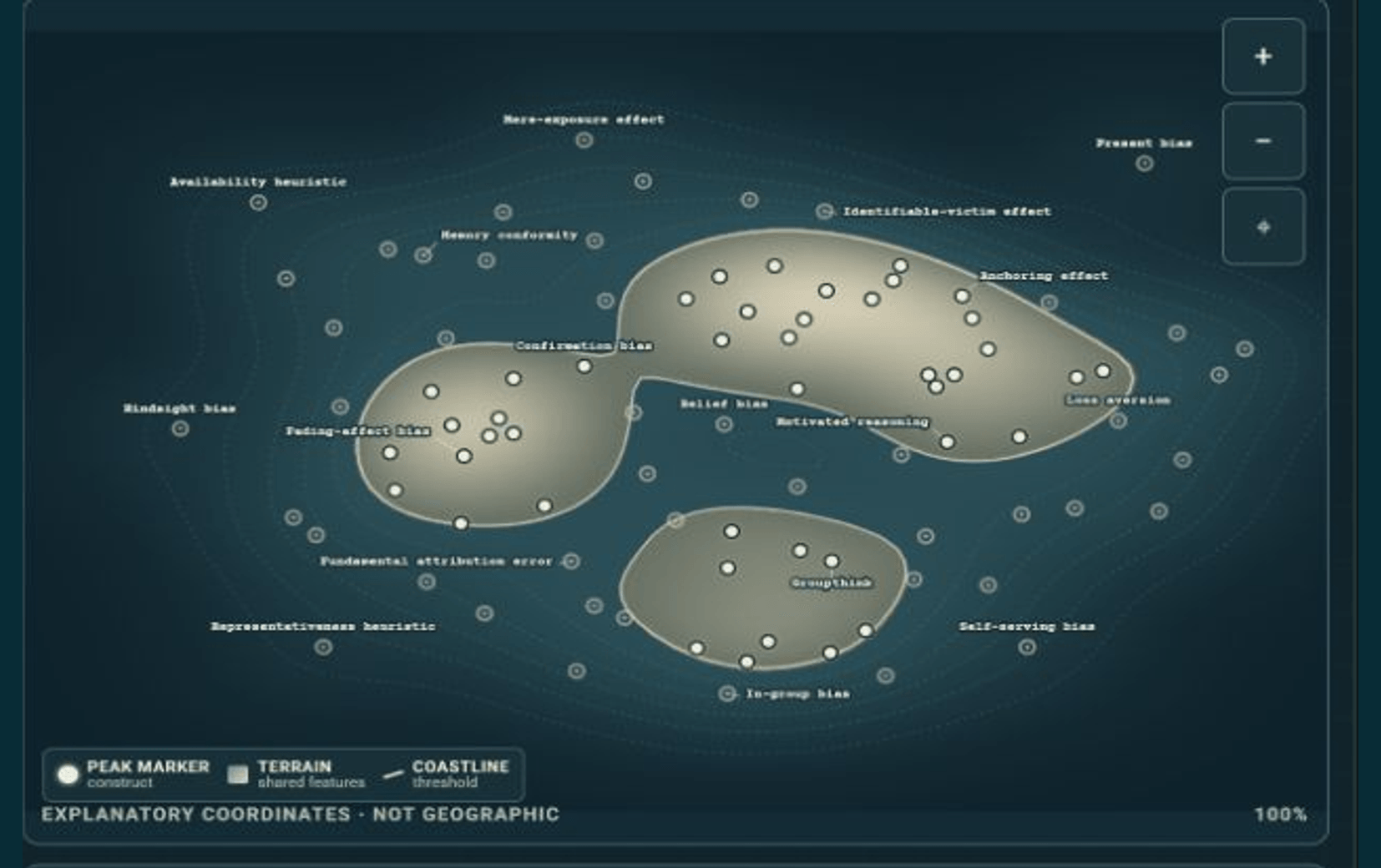
An interactive bathymetric atlas of cognitive biases, revealing shared mechanisms, research lineages, and conditions that make one shortcut recruit another.
Enter exhibit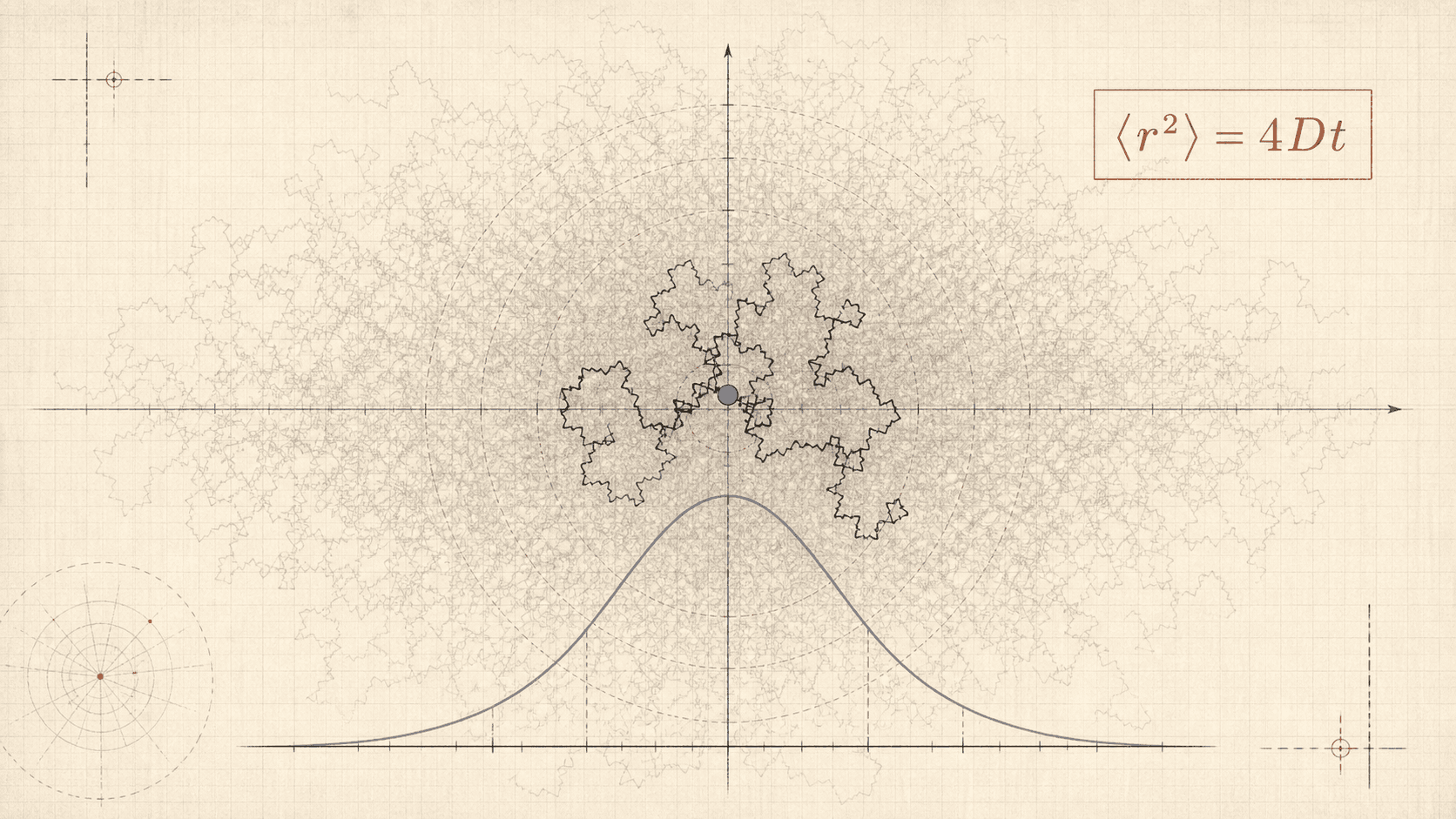
A hands-on laboratory for Brownian motion, drift, confinement, memory, first passage, and the precise laws hidden inside random motion.
Enter exhibit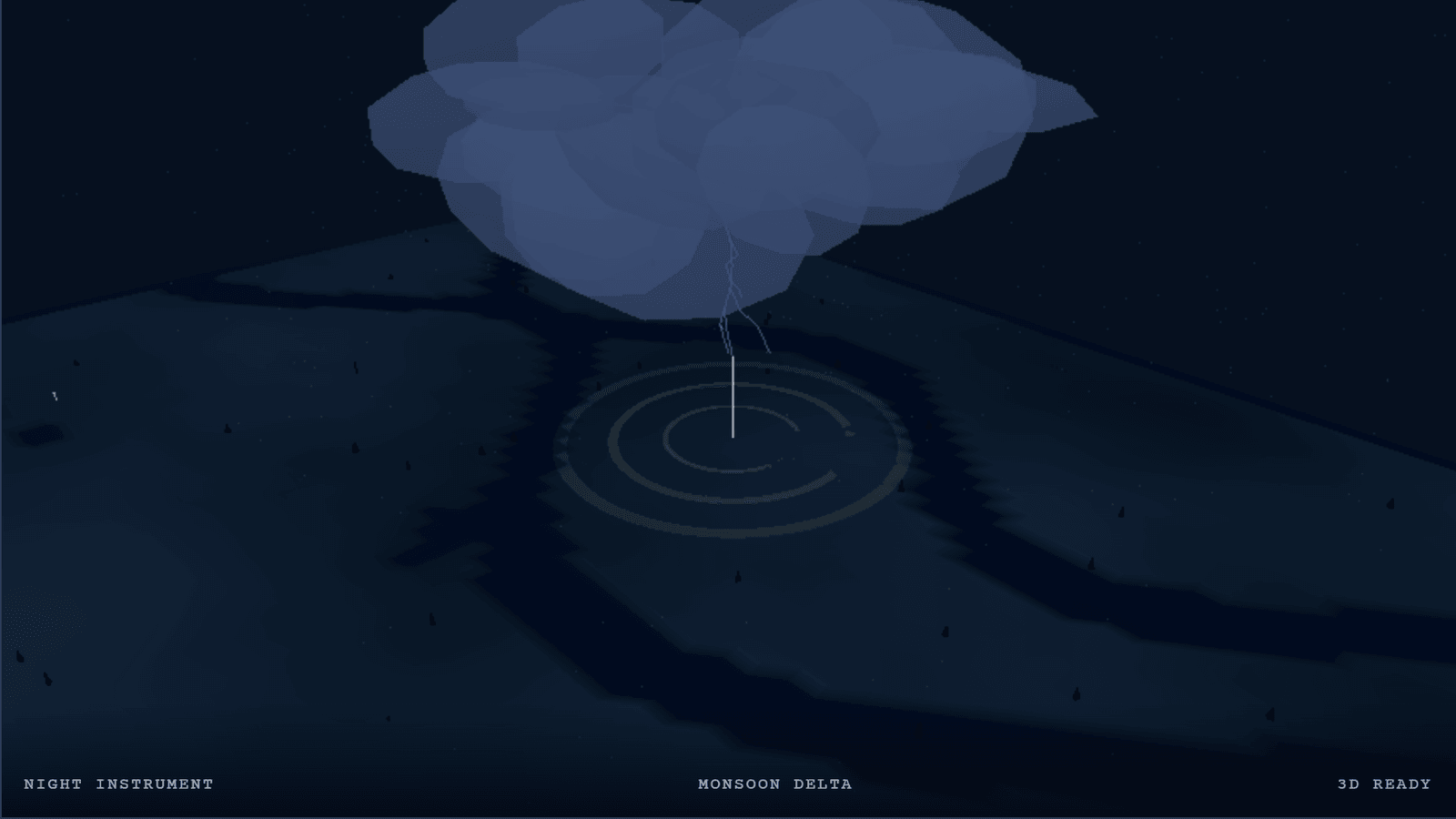
Watch a seeded Kalbaisakhi storm build a broad, branching lightning channel through charge, terrain, attachment, return stroke, and delayed thunder.
Enter exhibit
Two rods, two weights, no randomness—and a future that flies apart when you breathe on it. Disturb and map the deterministic chaos of a double pendulum.
Enter exhibit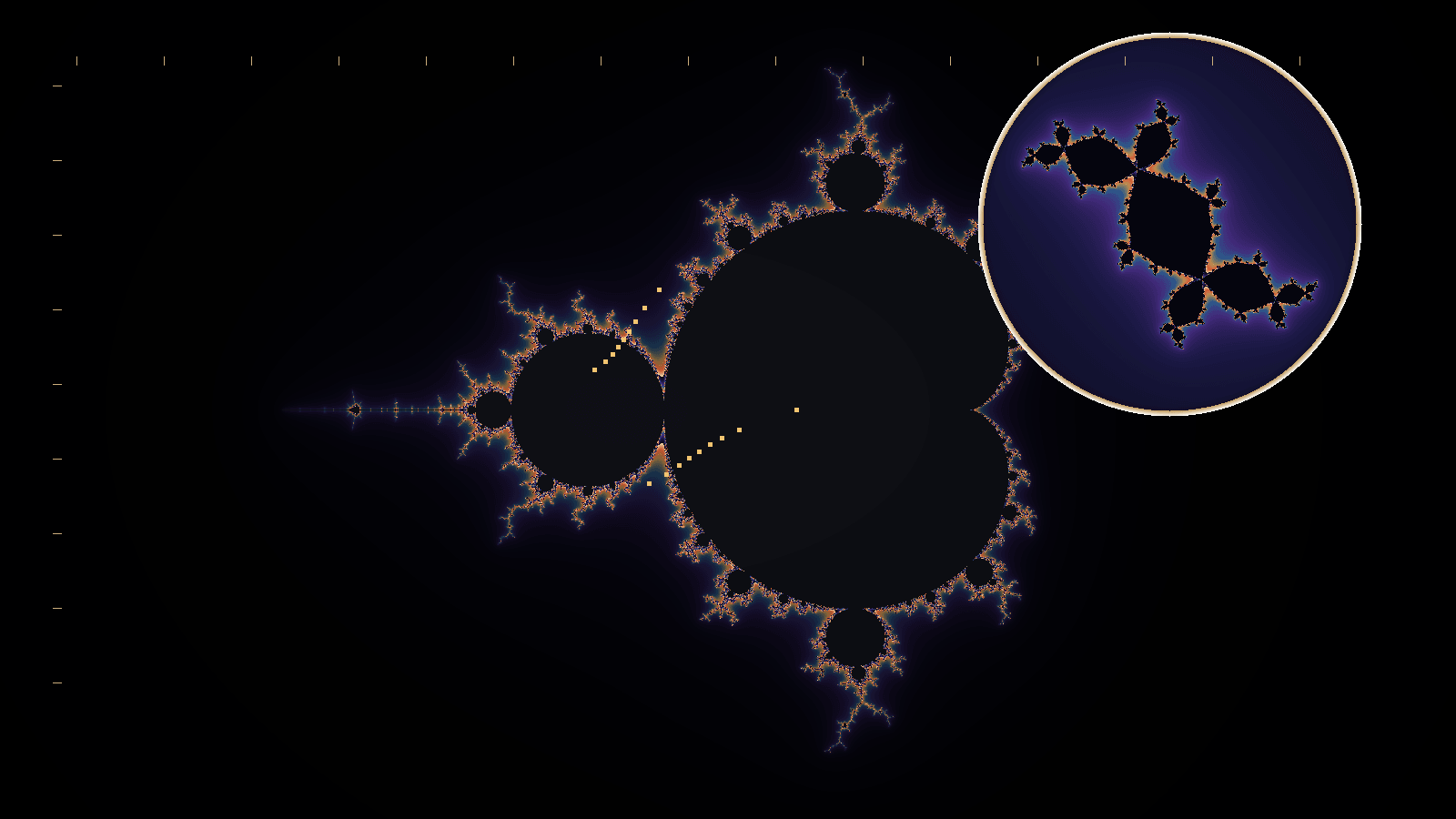
Explore Mandelbrot and Julia sets, Burning Ships, Newton basins, ferns and recursive curves in a hands-on fractal laboratory.
Enter exhibit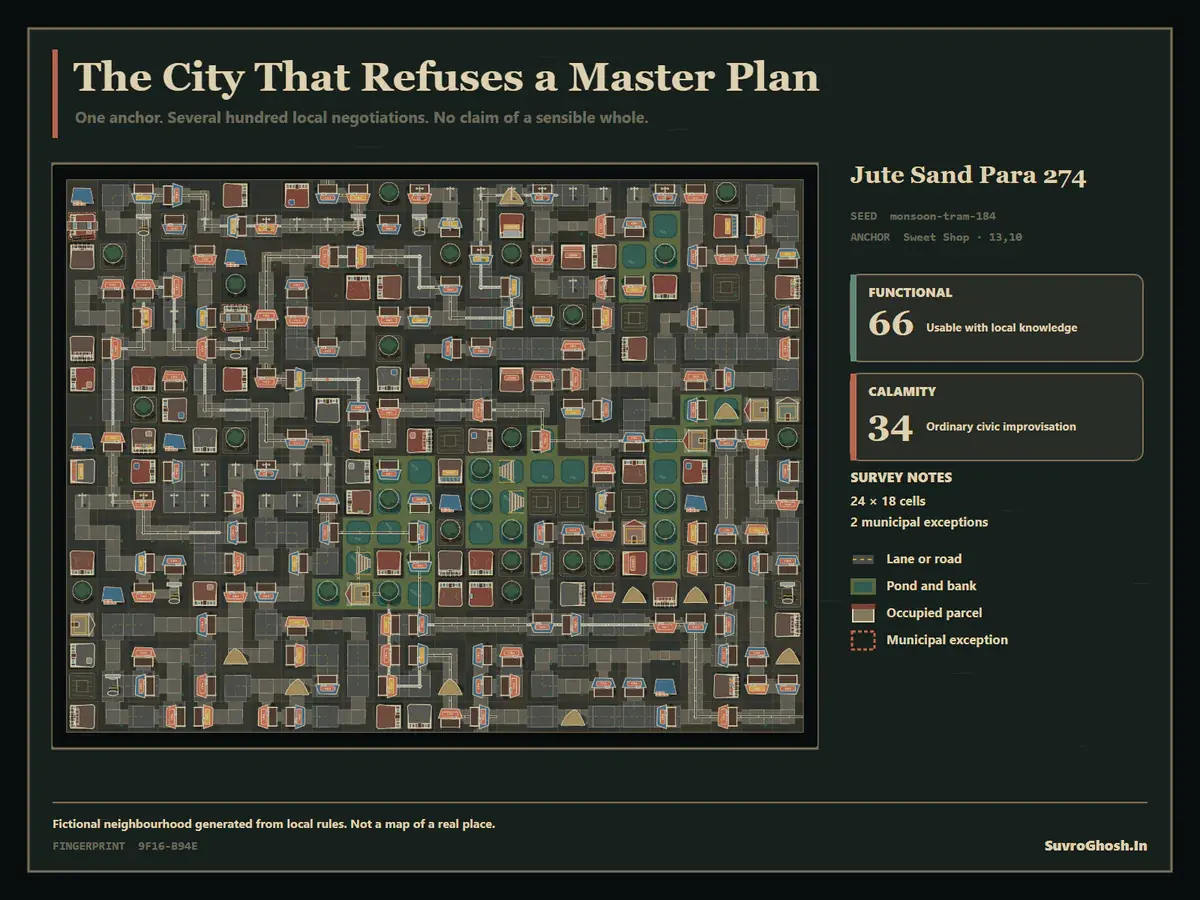
Place one sweet shop and let Wave Function Collapse grow a fictional Calcutta neighbourhood of lanes, ponds, tram tracks, drains, and civic exceptions.
Enter exhibit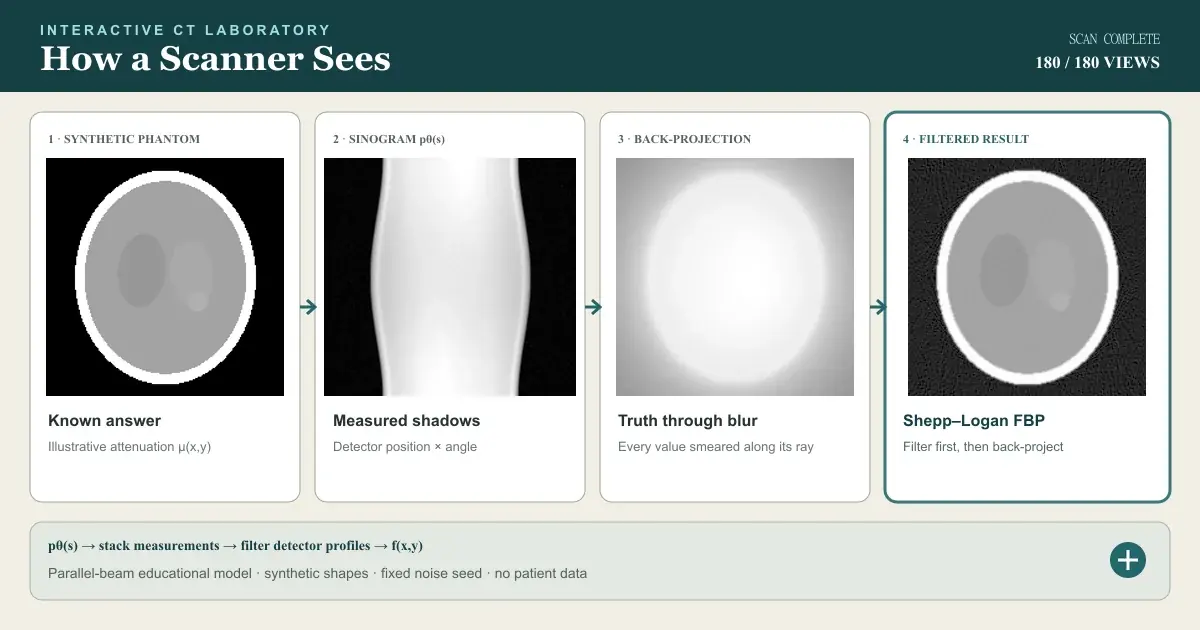
Paint a synthetic CT phantom, collect X-ray projections, and rebuild it with back-projection and filtered back-projection.
Enter exhibit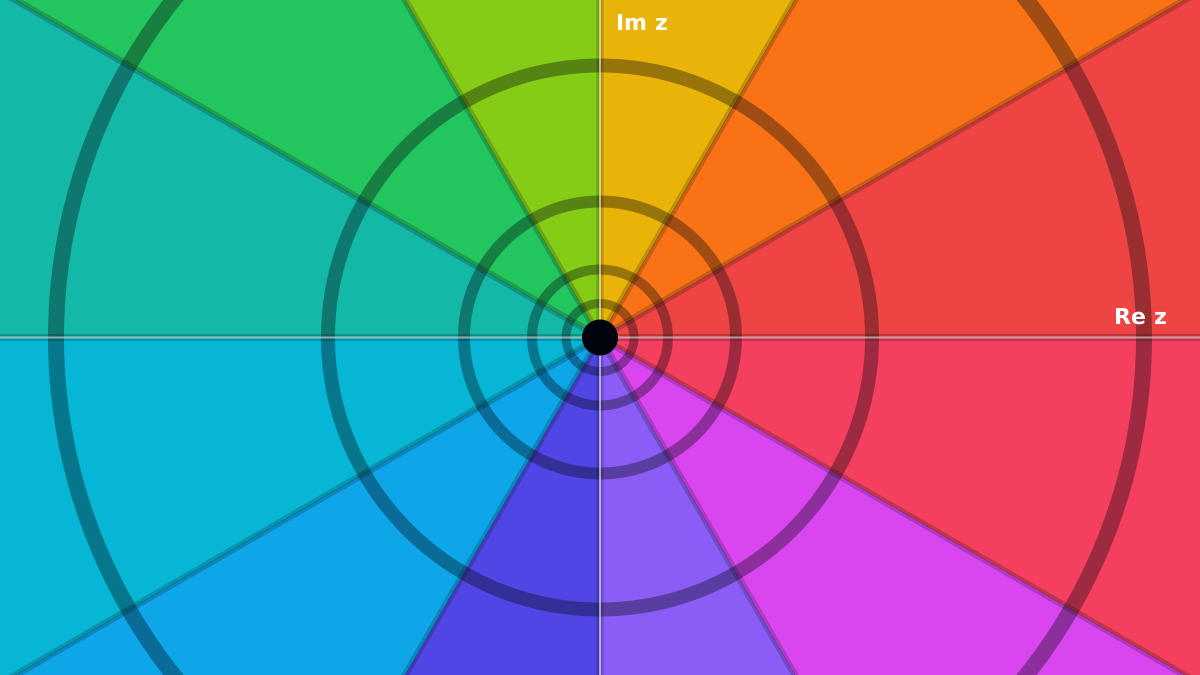
Explore complex functions in synchronised 2D and 3D: read log-magnitude terrain, phase colour, zeros, poles, branch cuts, winding, and Riemann sheets.
Enter exhibit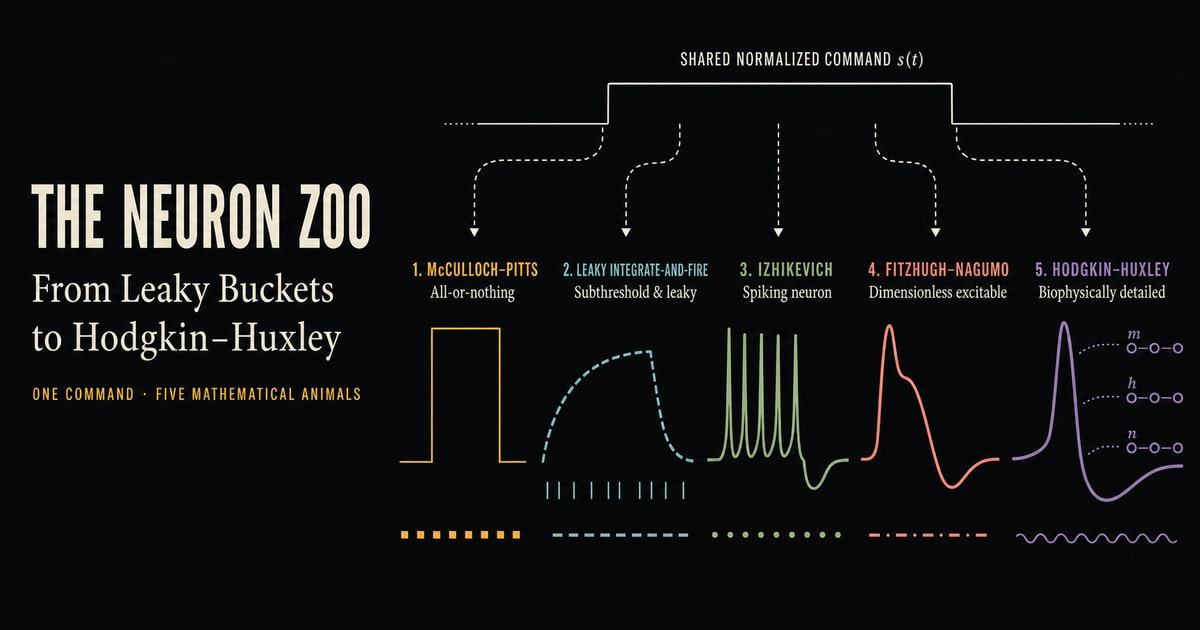
Send one stimulus through five neuron models, from McCulloch–Pitts to Hodgkin–Huxley, and see what every simplification preserves or leaves behind.
Enter exhibit
Paint with digital pigments that spread, mix, dry, granulate, and continue evolving after every stroke.
Enter exhibit
An interactive shader laboratory for exploring black holes, gravitational lensing, cosmic expansion, gravitational waves, and Einstein’s field equation.
Enter exhibit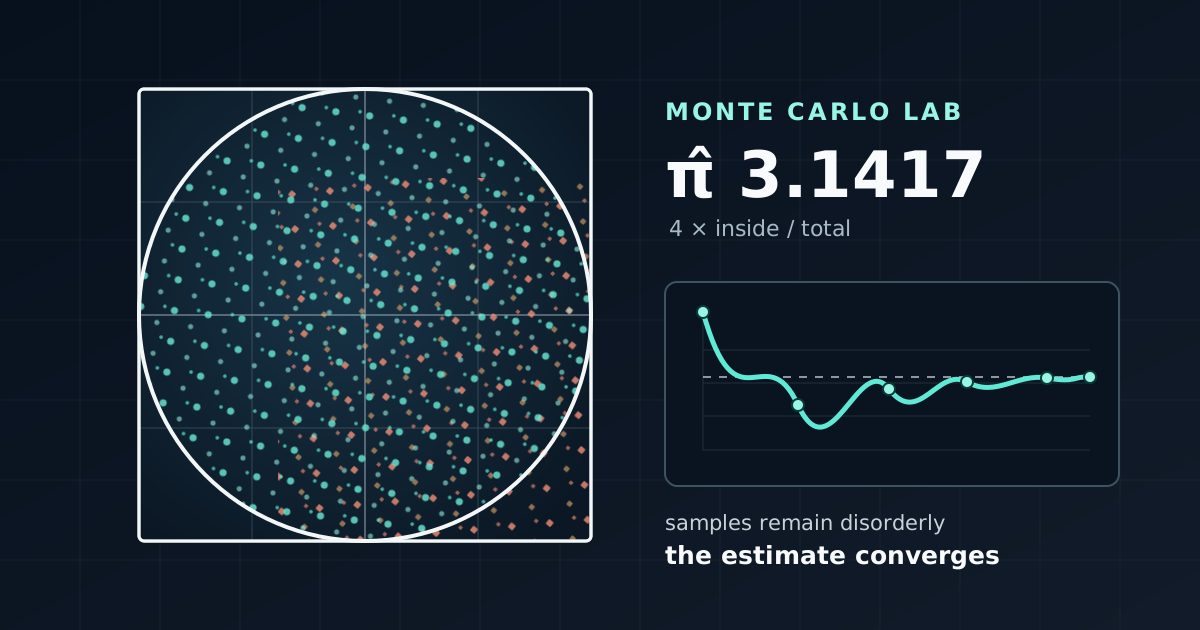
A shader-powered laboratory for watching sampled points estimate π, reveal statistical error, and demonstrate how Monte Carlo methods converge.
Enter exhibitArtificial Life Lab
Grow a seeded digital ecosystem in the browser: microbes inherit traits, forage, reproduce with mutation, face selection pressure, drift, predators, ageing, and death.
Enter exhibit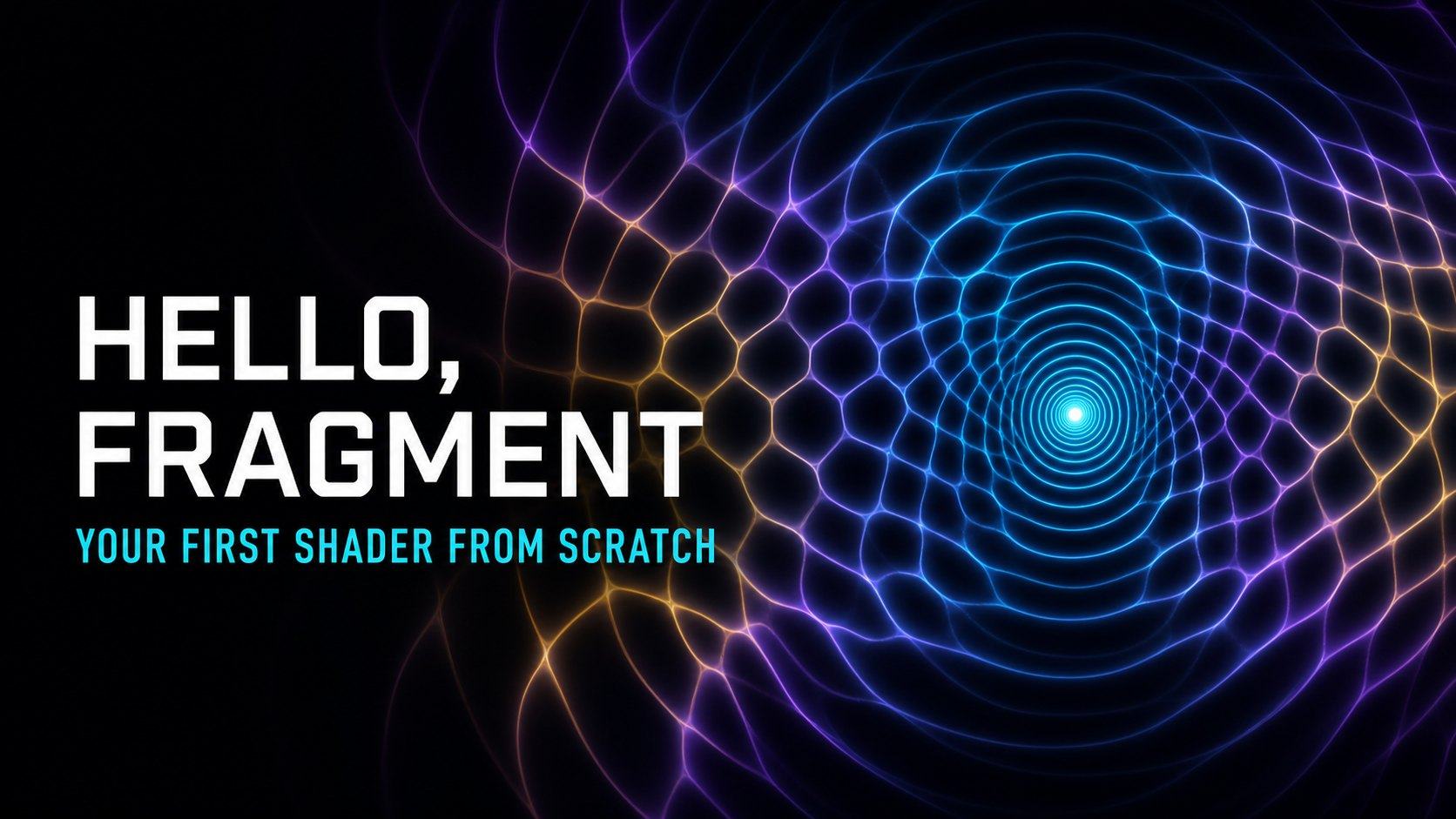
Build a luminous, pointer-responsive fragment shader in p5.js WebGL, learning coordinates, uniforms, colour, time, and interference one visible step at a time.
Enter exhibitBuild a responsive, animated sine-wave explorer from first principles while learning Observable cells, D3 selections, SVG marks, scales, data joins, interaction, and browser-safe embedding.
Enter exhibitBehind the next doors
Physics
Release two almost-identical pendulums and watch predictability split apart.
Machine Learning
Move a starting point and follow an optimiser down a changing loss surface.