Mood Bellwethers Before a Low
Uses the speech voice supplied by your browser or device.

A life is not manufactured by the person living it, which is an irritatingly grand sentence to arrive in the head of a man at two in the morning when the real culprit may be bad digestion.
This is how trouble often begins. Not with thunder. Not with violins. Not with a dramatic camera pushing slowly toward the face while the hero discovers the meaning of existence. No. It begins with gas, a restless pillow, a ceiling fan making a small clicking sound, and the suspicion that the next twenty-four hours may arrive wearing muddy shoes.
I know this pattern.
I do not always respect it, which is my mistake. A man may know that a dog bites and still extend his hand because the dog looks philosophical. The mind is worse. It sits quietly in the corner for three days, pretending to be a harmless clerk. Then, suddenly, it opens a drawer and produces old bills, old insults, old failures, old love, old shame, and one completely unnecessary question about the purpose of life.
At that point I say to myself, very nobly: let us not wax philosophical.
Then I immediately wax philosophical.
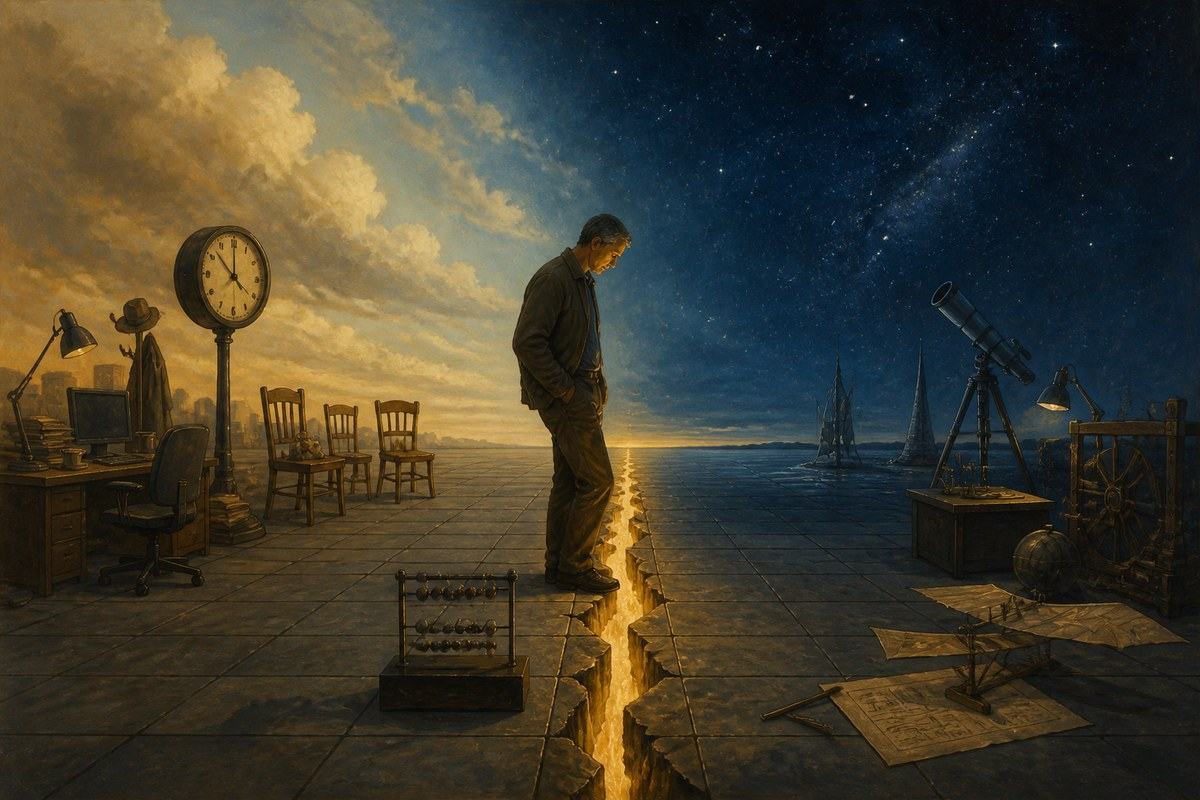
The thought is this: none of us created our own lives. We participate, yes. We struggle, choose, refuse, repair, spoil, mend, forget, remember, cook rice, pay bills, avoid phone calls, open windows, close windows, pretend to be busy when the landlord’s footsteps pass the door. But the original equipment was not selected by us. Nobody asked me before issuing this nervous system. Nobody showed me three models and said, “This one comes with strong executive function, this one with mild anxiety, and this discounted one with mood instability and suspiciously poetic indigestion.”
I would have asked for a warranty.
Instead, one arrives in the world already packed with invisible machinery. Family weather. Class weather. Body weather. Brain weather. Country weather. The city throws in its own masala: power cuts, heat, political noise, election posters, construction dust, the price of fish, the neighbor’s television, the tea stall philosopher who knows exactly how the world should be run but has never successfully managed his own umbrella.
And yet, despite all this, the modern world keeps saying: build yourself.
Very good. With what cement, please?
The self-help industry speaks as if a human being is a clean apartment with modular furniture. My life feels more like an old rented room near the edge of Calcutta where the plaster has opinions, the switchboard sparks in the rain, and one cupboard contains papers from three former versions of myself, each of whom believed he had finally understood the problem.
He had not.
Still, I am not helpless. That would be too simple, and life rarely grants us the luxury of being completely right. We do have some responsibility. We can notice. We can prepare. We can make the next day a little less dangerous. We can refuse to conduct a full audit of existence at 2:17 a.m. while the stomach is holding a public meeting.
This is where the bellwethers come in.
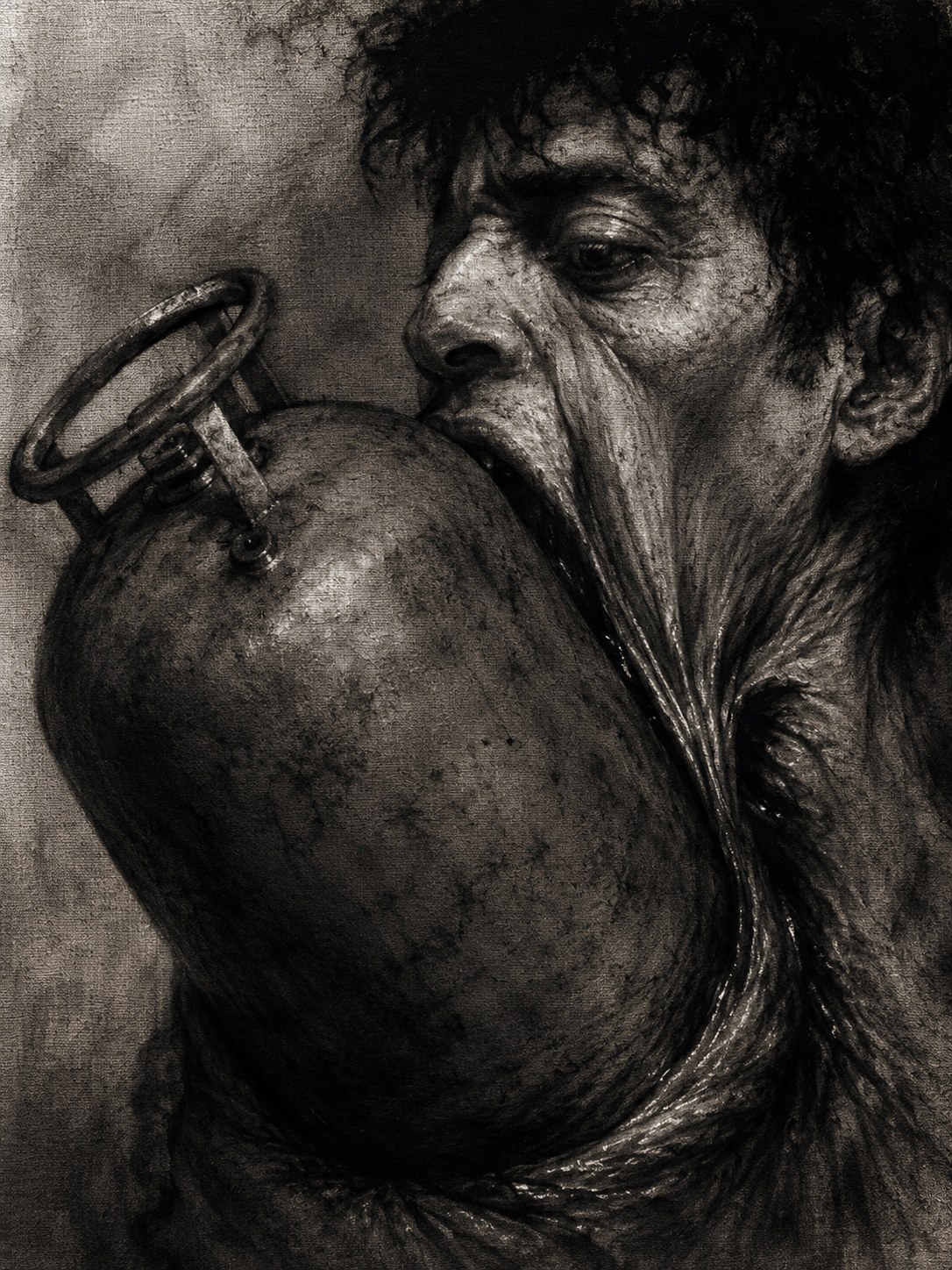
A bellwether is an early sign. A sheep with a bell, originally, leading the flock. A small sound before the large movement. In my case, it is not a charming sheep. It is usually indigestion, irritable insomnia, and a sudden attraction toward ordinary but dangerous thoughts. Life. Death. Failure. Money. The future. The past. Why people lie. Why people leave. Why the fan is making that sound. Why I did not become some calmer, better-funded version of myself who drinks green tea and says “wellness” without wanting to bite a chair.
These are not profound thoughts. That is the insulting part.
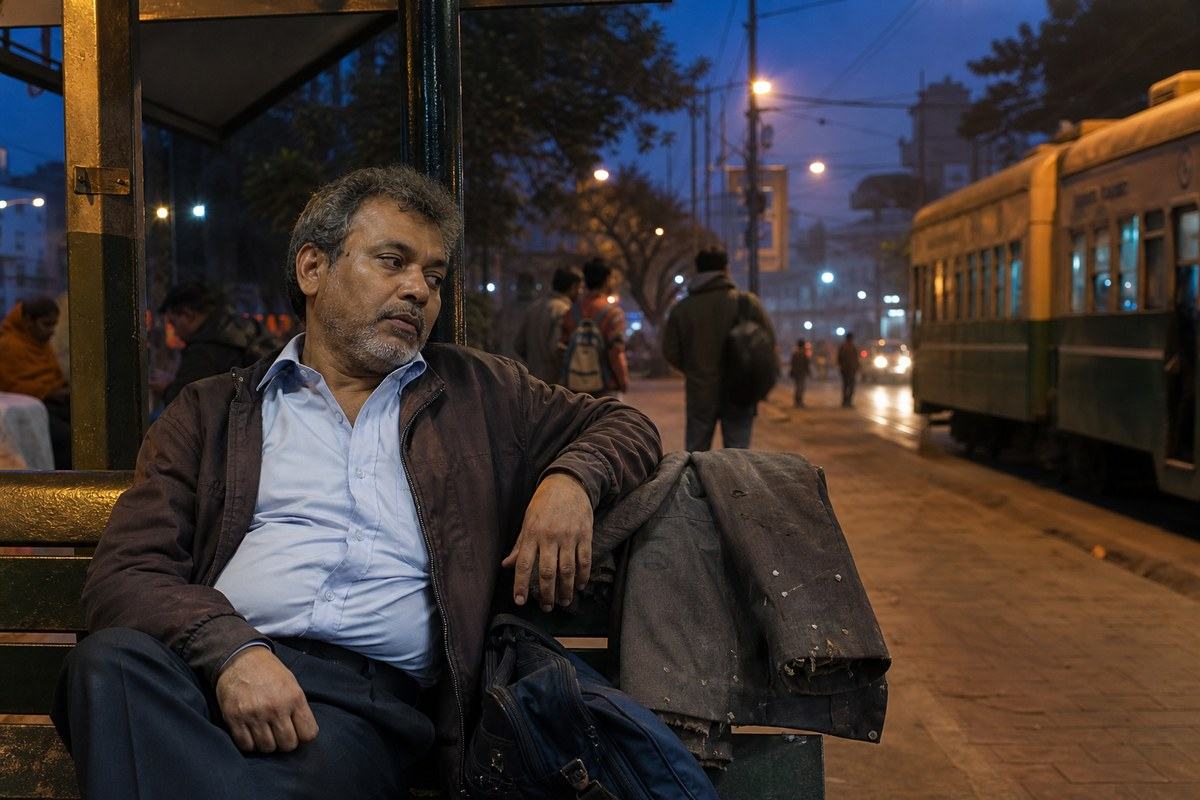
They are hackneyed. Common. Old as tramlines. Every tea stall has hosted them. Every middle-aged man with an unpaid electricity bill has entertained them. But when mood begins to tilt, stale thoughts acquire fresh teeth. A sentence that would normally pass like a stray cow becomes a rhinoceros in the bedroom.
You think the problem is the thought.
Not quite.
The problem is the weather around the thought.
On an ordinary afternoon, “my life is precarious” is a practical statement. One may examine it, like checking whether there is enough rice in the tin. During a depressive dip, the same sentence becomes a locked gate. It stops being information and becomes atmosphere. The room shrinks. Tomorrow grows fangs. The body feels as if someone has quietly turned down the voltage.
This is why I must be careful tonight and tomorrow.
Not dramatic. Careful.
There is a difference. Drama wants witnesses. Care needs a glass of water.
When these premonitions come, I have learned to distrust the grand verdicts. The mind in that condition is not a judge. It is a tired bus conductor at the end of a summer route, shouting at passengers who are not even on the bus. It may be loud. It may sound official. It is not reliable.
So the work becomes small.
Eat something plain.
Do not argue with ghosts.
Do not send messages after midnight that begin with “I have been thinking.”
Do not decide the meaning of your entire life while lying sideways under a cheap bedsheet in May humidity.
Do not confuse a mood signal with a cosmic announcement.
This last one is important. The brain is a superb storyteller and a terrible meteorological department. It takes a few bodily facts—poor sleep, sour stomach, anxious chest, loneliness, heat—and turns them into a tragic epic. Suddenly the entire life is on trial. Childhood is called as witness. America is called as witness. Calcutta is called as witness. Every failed plan arrives wearing a black coat.
Meanwhile the actual problem may be: sleep early, eat less fried food, avoid doom-scrolling, take the medicine if prescribed, and do not treat one bad night as parliament.
Of course, if it were only that simple, we would all be cheerful saints with excellent digestion.
The difficulty is that a low does not merely make a person sad. Sadness is too clean a word. A depressive low is more like the city after a sudden waterlogging: the road is still there, the shops are still there, the people are still there, but everything takes effort. Every crossing is a negotiation. Every errand becomes an expedition. The world has not ended. It has become sticky.
And stickiness is exhausting.
That is why the early signs matter. Not because they let me control the weather. I cannot. If a nor’wester wants to arrive, it will not seek permission from a lower-middle-class man with a consulting income and a suspicious stomach. But one can bring clothes in from the line. One can close the window. One can avoid standing under the tree and delivering speeches.
There is dignity in small preparation.
The funny thing is that these warnings, unpleasant as they are, are also proof that some part of the system is still trying to help. Badly, yes. In the handwriting of a drunk postman. But still. The body is tapping the table. The mind is sending smoke signals. Something inside says: load is rising, sleep is weak, mood may dip, reduce unnecessary drama.
That is not madness.
That is weather sense.
Old people in Bengal could look at the sky and say rain will come. They were not mystical. They were observant. The light changed. The birds changed. The smell changed. The air became heavy. They had lived long enough inside the same season to notice its tricks.
Perhaps living with mood is something like that. You learn your own sky.
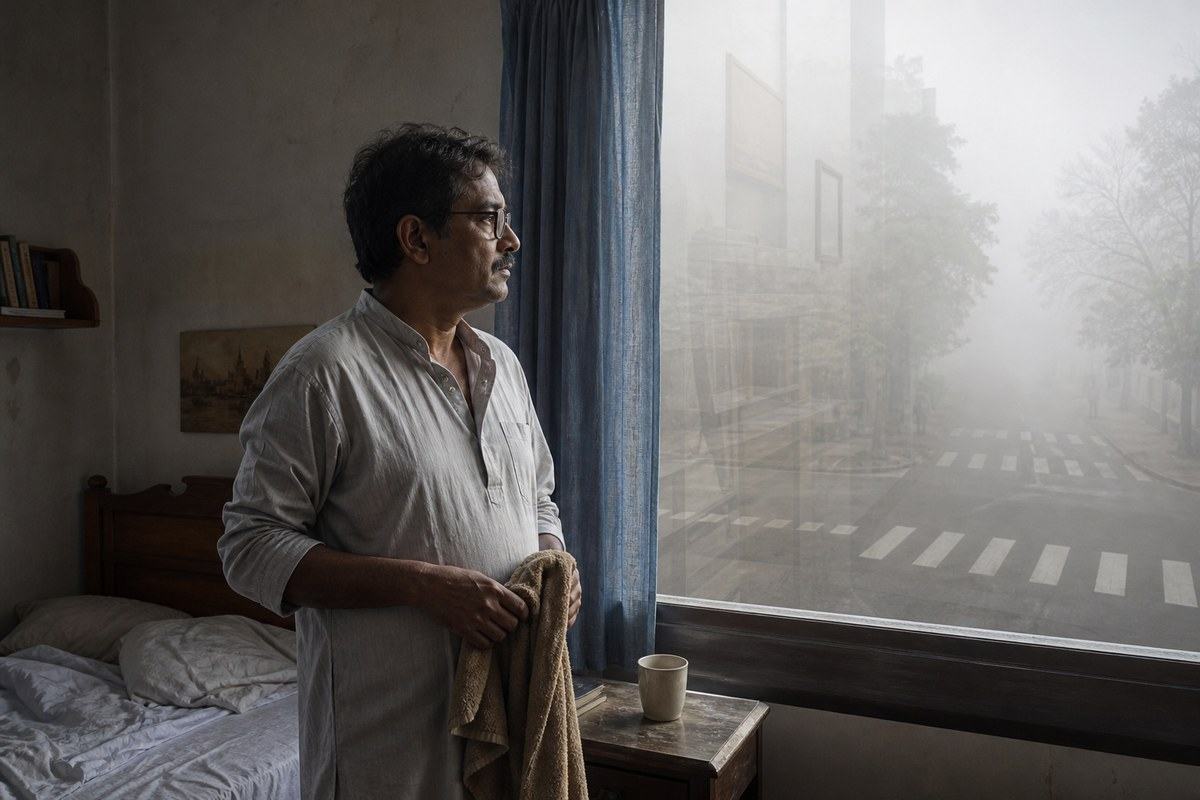
For me, tonight, the sky has that look.
So I will not make heroic claims. I will not say I have conquered anything. Conquest is for people with funding, uniforms, and good sleep. I will say only this: I have noticed the bell. The flock may be moving. The next few hours and tomorrow need gentleness, plain food, fewer conclusions, fewer accusations, less philosophy, more water.
A life may not be created by the person living it.
But sometimes, on a bad night in the shanty boondocks of Calcutta, the person living it can still do one useful thing.
He can refuse to believe every dark sentence his own tired brain hands him like breaking news.
Word Cloud
Related reading
Selected by shared topics and section, with closer publication dates breaking ties.