Low Self-Esteem in Middle Age
Uses the speech voice supplied by your browser or device.

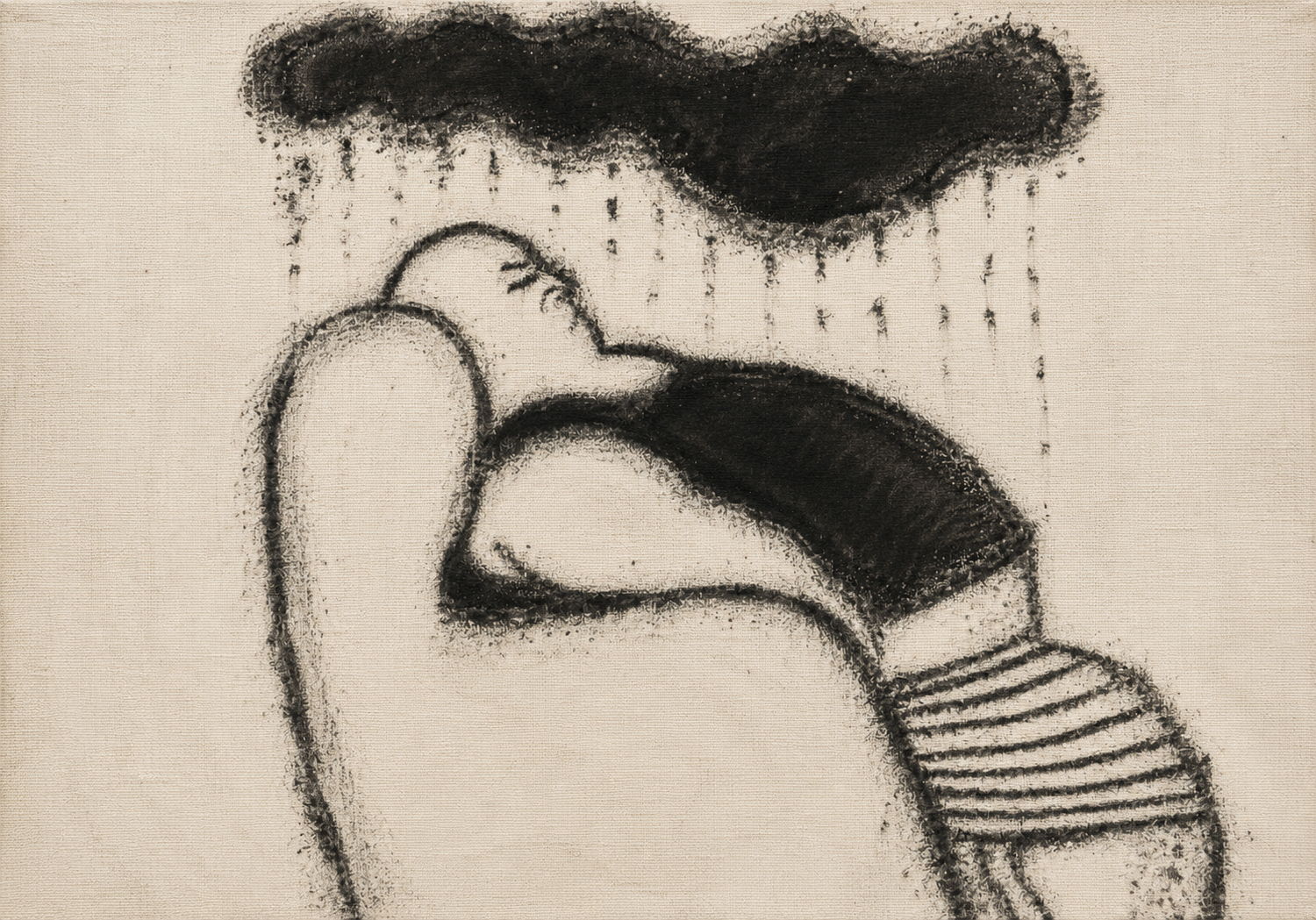
Somewhere between the fourth unpaid bill and the fifth well-meaning relative asking whether I have “considered consulting,” as if I were a leaking tap that merely required a better plumber, low self-esteem stops being the shy little party trick described in self-help pamphlets and becomes something larger, colder, and considerably better organized. It is no longer the mild social sunburn of feeling underdressed beside a younger man with a watch that costs more than my remaining dignity. No. In middle age it puts on a suit, opens a ledger, hires clerks, and begins auditing your entire existence with the dead-eyed efficiency of a revenue officer who has already decided you are guilty and is merely enjoying the paperwork.
I live in Calcutta, the city that issued me, the city that still contains my old school marksheets, my first bicycle, and several embarrassing photographs in which I am wearing shorts and an expression of pre-pubertal confidence that now appears to have been borrowed from somebody else’s childhood. I am middle-aged, bipolar, unemployed, and possessed of a résumé that reads like a cautionary tale told to ambitious children to frighten them into stable government service. I have no income. I have no wife. I have no car, no flat, no fixed deposit, no reassuring little row of digits marching obediently toward a pension. What I have instead is a small museum of explanations, lovingly curated, dusted daily, each one labeled with the approximate date on which some respectable Bengali expectation quietly died of natural causes.
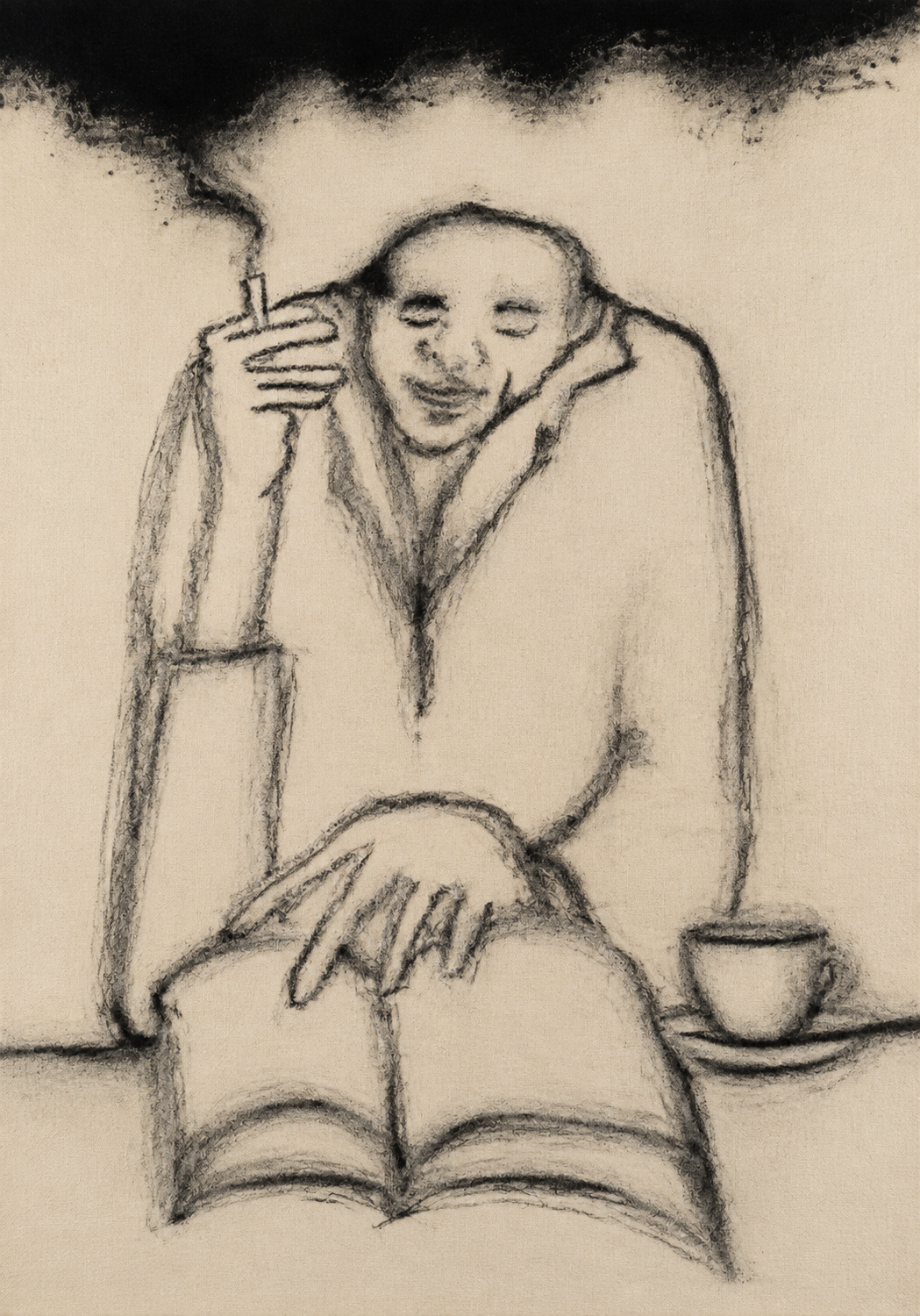
This is not the low self-esteem of youth, that soft, almost charming condition in which one merely feels a little too large for one’s jeans and a little too small for one’s ambitions. This is the middle-aged variety, the kind that has had decades to gather evidence, subpoena witnesses, and build an airtight case against you. It does not shout. It whispers. It whispers while you are brushing your teeth, while you are pretending to read a job advertisement looking for a “dynamic team player,” which is corporate Sanskrit for somebody younger, shinier, cheaper, and more enthusiastic about PowerPoint, while you are smiling at a wedding where somebody’s son has just become a vice-president and somebody else’s daughter has produced twins with the smug efficiency of a woman who has never missed an EMI. It whispers, and what it whispers is this: perhaps the defect was always there, and everybody else merely noticed it before you did.
A depressed mind can become a vicious accountant. It develops an astonishing talent for selective bookkeeping. Assets mysteriously vanish. Liabilities acquire compound interest. Every achievement is written off as historical inventory with no current market value. Roughly fifteen years of healthcare, research, and data work in America? Obsolete. Degrees, systems built, studies worked on, the ability to design an analysis, interrogate a dataset, or navigate the bureaucratic intestines of hospitals and government institutions? All filed under “previously owned, slightly damaged, no returns accepted.” The accountant shakes his head, sucks his teeth, and stamps the ledger: net worth, zero; net person, questionable.
And the cruelty is that I know—know with the same cold clarity with which I know that the Earth moves around the Sun, that water is , that the mitochondrion is the powerhouse of the cell, a sentence apparently immortal because it may be the only thing civilization has succeeded in teaching every schoolchild—that this arithmetic is obscene nonsense. A human being is not a quarterly report. Intelligence does not evaporate because nobody is currently paying for it. A career can collapse without every skill acquired during it becoming counterfeit currency. I know this. I know this the way one knows the sky is blue even while standing in a cellar with the lights off. Knowledge and feeling are separate departments in my head, and they rarely attend the same meeting; when they do, one of them is always late and the other has already left.
Calcutta sharpens the contradiction because Calcutta contains earlier versions of me the way a house contains old photographs in drawers nobody has bothered to clean. There is the street where I was a student, thin and arrogant and convinced that the future was an obedient dog that would come when called. There is the neighborhood from before America, before hospitals, before databases, before salaries, before divorce, before diagnosis, before the slow sedimentation of adulthood began burying the original coastline. I pass these places and the geography recognizes me more easily than I recognize myself. The buildings say, “Ah, you have returned.” The mirror says, “Who the hell are you?”
The respectable Bengali timetable is a marvel of social engineering, a schedule so precise that one suspects it was drafted by the same people who designed railway timetables, only with more mothers involved. By middle age, one is supposed to have an income, a family, a flat with a balcony suitable for potted plants and philosophical brooding, a professional identity sturdy enough to be announced at weddings without the introducer lowering his voice. I have missed every station. The train has left. The platform is empty. And yet I remain, standing with my ticket in my hand, a parcel improperly returned to sender, nobody quite certain where to store me.
Bipolar disorder does not help, of course, because a disorder capable of disrupting mood, sleep, energy, concentration, motivation, and judgment is not exactly the ideal subcontractor for constructing a beautifully linear life. It is difficult to build a narrative of steady progress when your own brain periodically sets fire to the narrative and then asks why the paperwork is missing. But there is also the social afterlife of psychiatric illness: stigma, suspicion, the subtle recalibration of other people’s expectations. It is the look that says you have drifted too far from the respectable timetable to be easily explained at dinner parties. It is the gentle, terrible concern of relatives who ask whether you are “taking your medicine” with the same tone they would use to inquire whether a leaking roof has been repaired. The illness becomes not merely a condition but a category, a filing system, and you are quietly filed under “unfortunate,” “unstable,” “complicated,” “best not discussed before dessert.”
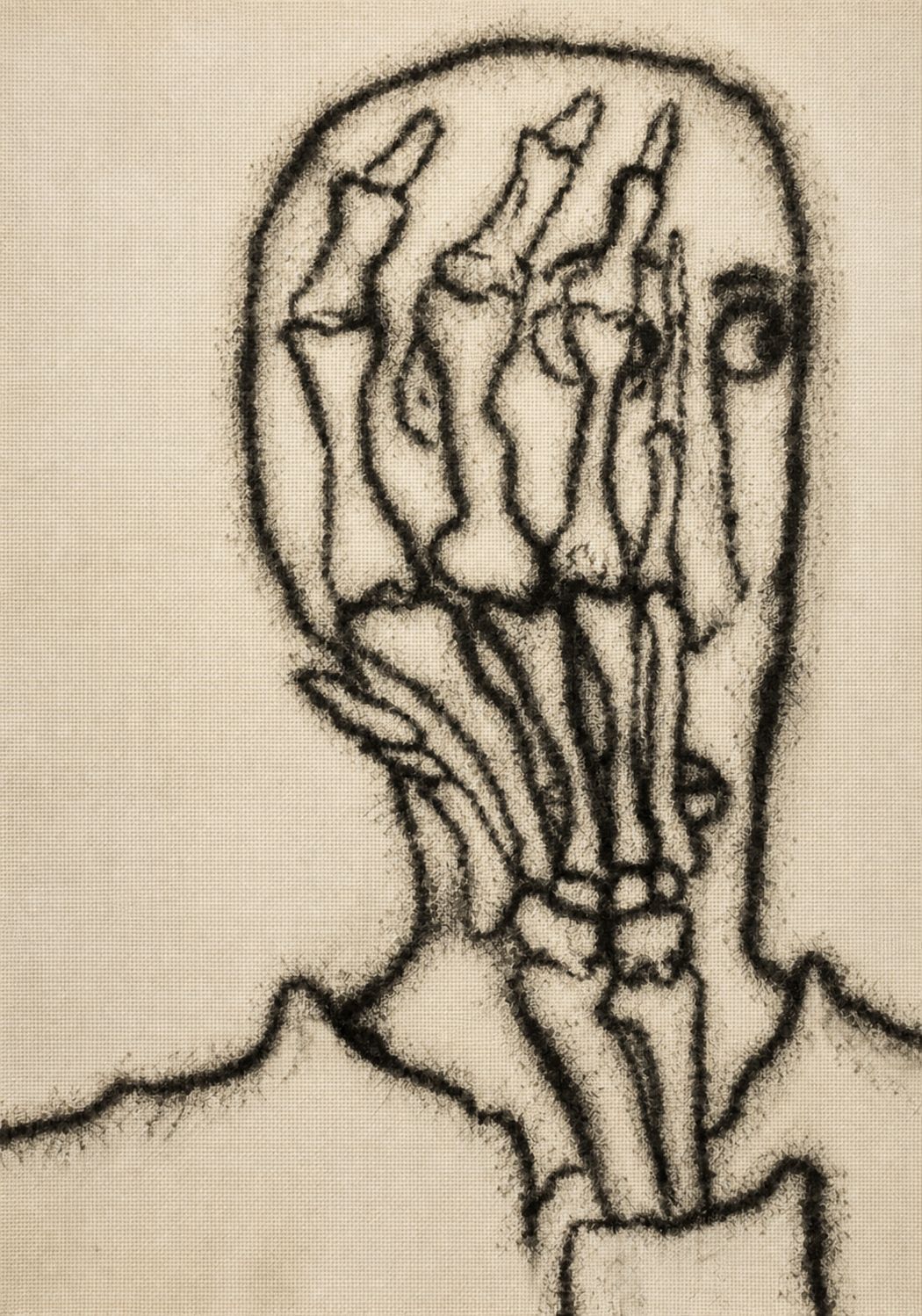
The most humiliating part is not the poverty. Poverty is vulgar but honest. The most humiliating part is the internal collaboration, the moment the self begins signing the auditor’s paperwork. Failure stops being an event and begins impersonating an identity. No income becomes no value. Career interruption becomes incompetence. Illness becomes weakness. Isolation becomes evidence. The mind, that treacherous little clerk, keeps immaculate books, and every entry is a small betrayal.
And yet.
The struggle is not to “think positively,” that hideous phrase produced by people whose psychology has apparently been laminated, shrink-wrapped, preserved in formaldehyde, safe from every contaminating contact with reality. Positive thinking, at its stupidest, is simply bookkeeping fraud with motivational stationery. The struggle is narrower, harder, less decorative: it is to prevent circumstances from annexing identity. I am unemployed; that is different from being useless. I am ill; that is different from being only an illness. I am financially cornered; that is different from having reached the final verdict on my life. The distinction is thin, but thin things can bear weight. A membrane is thin. So is skin. So is the razor’s edge.
I do not always believe these distinctions. That is precisely why I have to keep making them, the way one keeps making a bed that will be unmade again by nightfall, the way Sisyphus keeps pushing his rock—not because he expects it to stay at the top, but because the pushing itself is evidence that he has not yet agreed to become the rock.
There is a verse from the Katha Upanishad that I return to when the accountant in my head begins his evening shift:
উত্তিষ্ঠত जाগ্রত प्राপ্য বরান্নিবোধত। ক্ষুরস্য ধারা নিশিতা দুরত্যয়া দুর্গম পথস্তৎকবয়ো বদন্তি॥
Roughly: “Arise, awake; approach the great and learn. The razor’s edge is sharp and difficult to cross; so, the wise say, is the path.”
The verse is less comforting than people sometimes make it sound. It does not promise that life will become fair, that effort will be rewarded on schedule, that illness will politely withdraw, that the unpaid bill will discover compassion, or that the universe has secretly been arranging a magnificent third act on my behalf. It merely says the path is difficult to cross. Difficult. The old seers, to their credit, apparently had no marketing department.
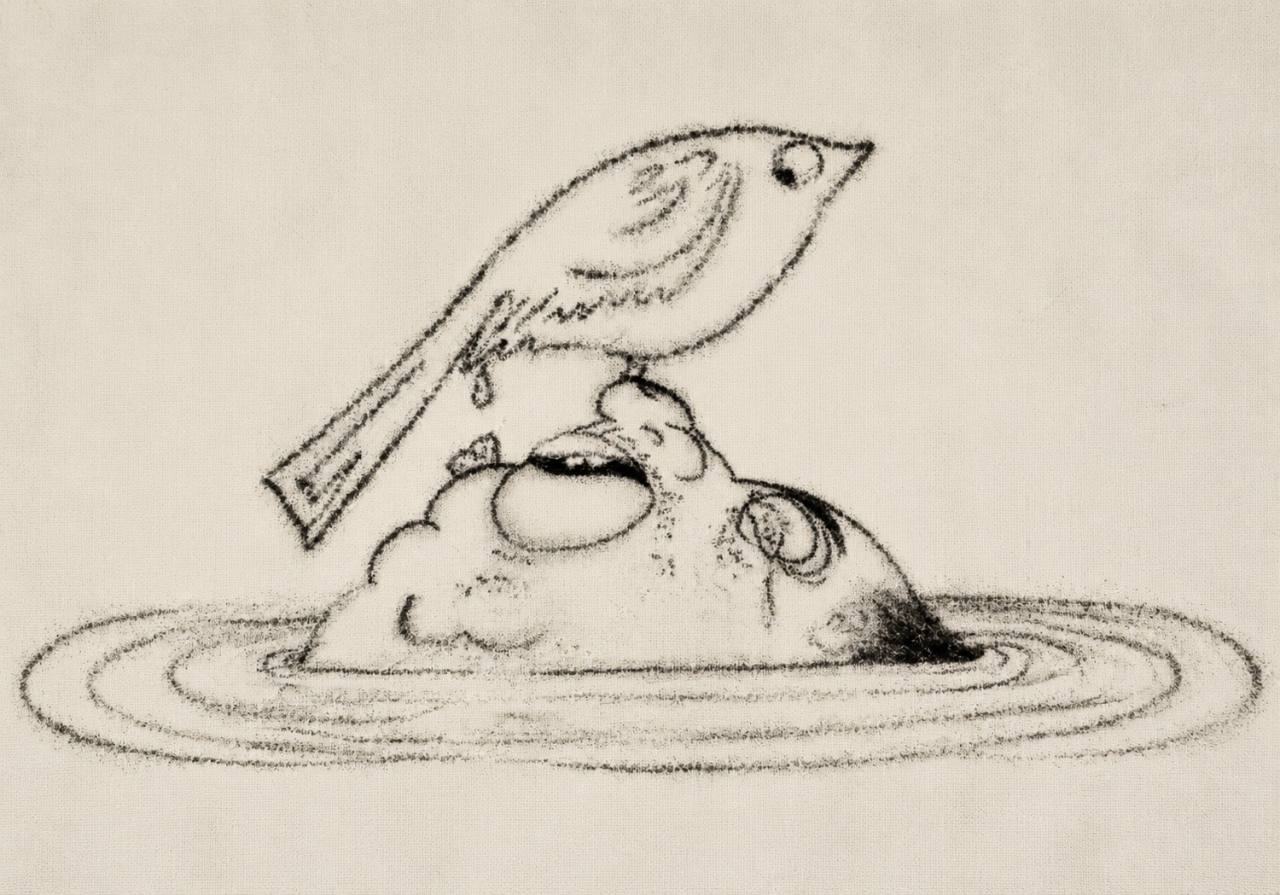
So I remain in Calcutta, in the city that issued me, unreturnable, unsorted, still on the shelf. The ledger is open. The audit continues. Circumstances keep submitting their figures. And I, the deficit, the liability, the poorly performing asset, continue making unauthorized entries in the margins, in ink that refuses, for reasons neither the accountant nor I entirely understand, to fade.
P.S. Reference: Katha Upanishad 1.3.14.
Word Cloud
Related reading
Selected by shared topics and section, with closer publication dates breaking ties.