Sleep, the Uninvited Guest at Durga Puja
Uses the speech voice supplied by your browser or device.

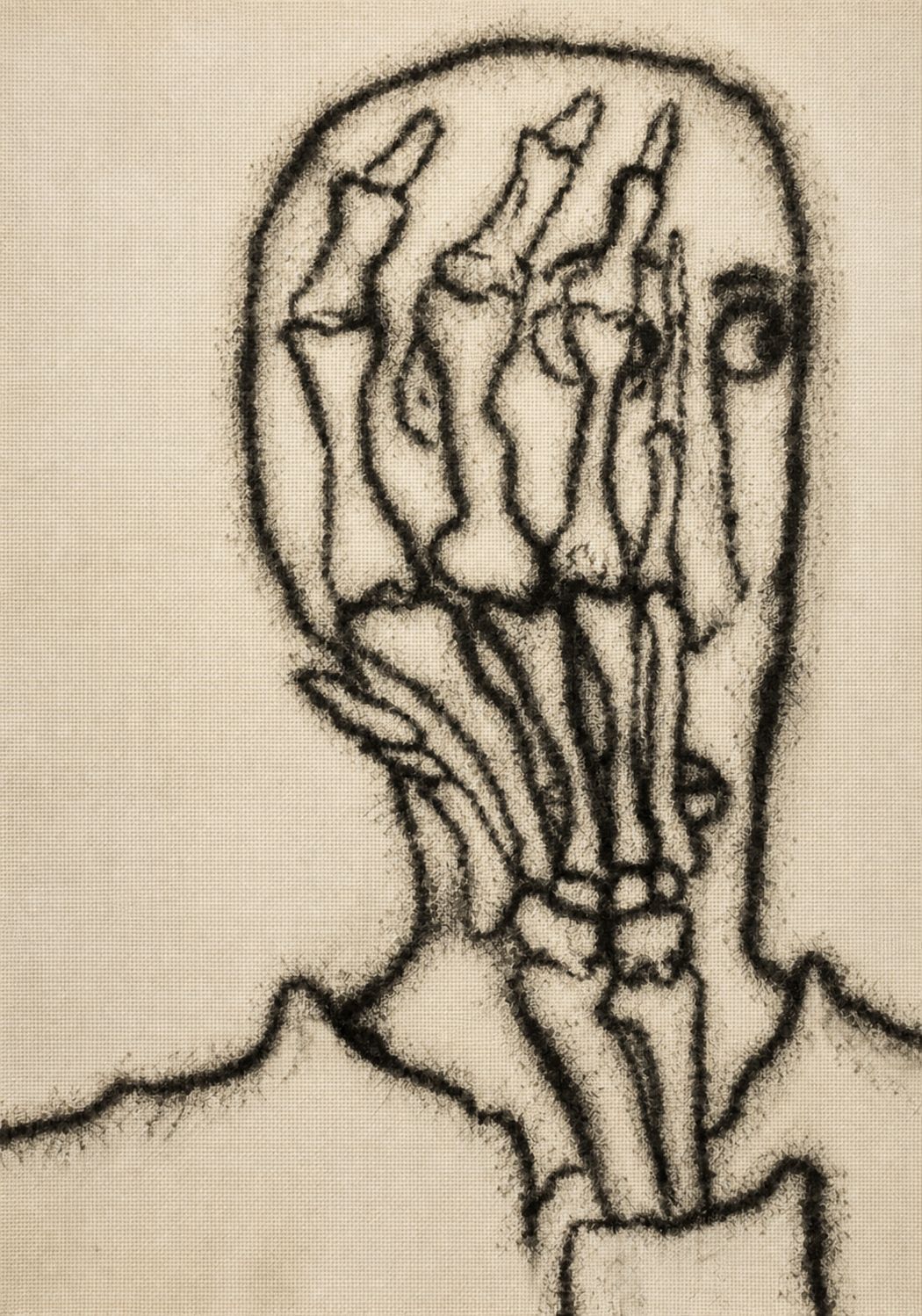
Sleep is my oldest friend, my most reliable lover, the one who never asks questions and never demands explanations. It wraps around me like a Calcutta summer’s humidity—unwanted, inescapable, yet strangely comforting in its suffocation. I do not choose sleep; sleep chooses me, selects me with the precision of a surgeon’s scalpel, carving consciousness out of the day as though wakefulness itself were the diseased tissue. Most days, I surrender without resistance. What is the point of resistance when the alternative is the crushing weight of existence, the puncture wounds of emptiness leaking whatever vitality I managed to accumulate during those brief, fraudulent moments of hope?
I wake. I always wake. That is the administrative defect in the arrangement.
Sleep is not death; it is merely a rehearsal, a dress rehearsal where the costumes are softer, the lighting more forgiving, and nobody expects me to remember my lines. Then the eyes open, the ceiling stares back with its cracked indifference, and the emptiness arrives—punctual, professional, a debt collector who knows my address by heart and apparently has no Sundays. Within minutes, sometimes seconds, the wish to remain awake evaporates like morning dew from the Maidan. The bed calls again. The pillow whispers seductions. And I return, willingly, gratefully, to the warm amniotic fluid of unconsciousness where nothing is required of me, where I am not behind on anything, disappointing anyone, failing to become anything, where for a few merciful hours I simply am not required to conduct the exhausting business of being me.
Durga Puja approaches.
The city transforms. Calcutta, that grand old dame of decay and delight, puts on her finest sari, powders the mildew, strings fairy lights across the electrical wiring and beats her drums until the very air vibrates with a joy that can feel, from the wrong side of a bedroom curtain, almost malicious. Pandals rise from traffic islands and playing fields like fever dreams—temples, palaces, caves, spaceships, environmental manifestos, Egyptian tombs, entire civilizations constructed from bamboo, cloth, plywood, thermocol’s more respectable descendants and corporate sponsorship. For several nights the city decides that sleep is an insult to civilization.
People pour into the streets in rivers of new clothes and old traditions. They laugh. They eat. They queue for forty-five minutes to enter something they will inspect for ninety seconds. They photograph themselves in front of the goddess, photograph the food before eating it, photograph one another photographing the goddess and the food. Children glow. Lovers walk too slowly. Families occupy pavements with the sovereign entitlement of migrating wildebeest. Somewhere a dhaak begins, somewhere a conch answers, somewhere somebody blows into a plastic trumpet whose inventor surely died without forgiveness.
They belong.
And I—I watch from behind the curtains of my third-floor window, or rather I do not watch at all, because watching requires a kind of participation I cannot muster. I sleep through it. I sleep through the dhaak, through the conch shells, through the ululation, through the loudspeakers, through the collective annual declaration that life is magnificent and everyone has apparently received the circular except me.
My body becomes a bunker. My mind becomes a blacked-out room into which the festival cannot quite penetrate.
This is not new. This is pattern, ritual, the private liturgy of my particular damnation. The festive season arrives with its calendar certainty—Sharadiya, autumn, the goddess coming home—and somewhere around it my mood seems to acquire its own calendar. Depression rides shotgun, an uninvited plus-one who has never once brought a bottle.
The association feels too regular to my exhausted mind to be accidental, though feeling a pattern and proving one are two entirely different branches of human misfortune. Perhaps it is season, perhaps memory, perhaps expectation, perhaps nothing so tidy. Perhaps it is simply contrast. Put darkness beside darkness and you have darkness. Put darkness beside ten million fairy lights and suddenly the darkness develops edges.
That may be the cruelty of festivals when you are depressed. Ordinary unhappiness can hide inside an ordinary Tuesday. Nobody demands anything from Tuesday. Tuesday does not arrive wearing silk and perfume asking why you are not delighted to see it.
Durga Puja does.
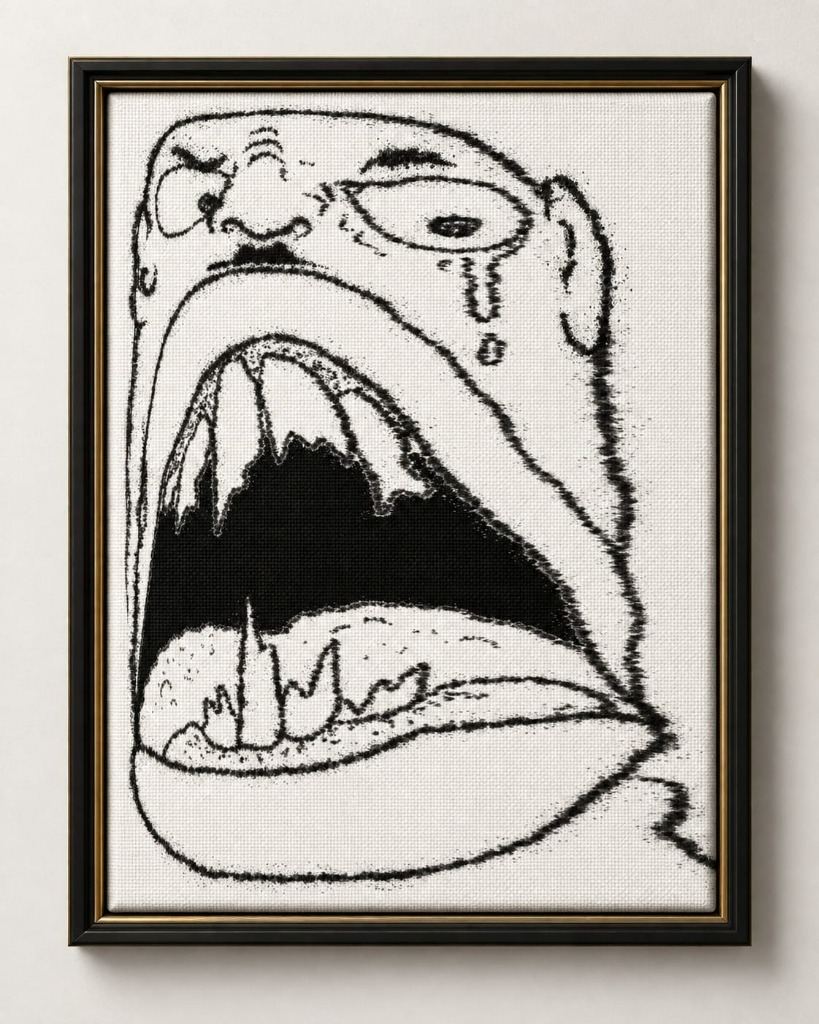
When the whole city pulses with belonging, alienation becomes radioactive. Loneliness does not merely whisper from the corner; it acquires amplification, sponsorship and a microphone licensed until two in the morning. Every laughing group outside becomes evidence for the prosecution. Every family walking toward a pandal seems to belong to some invisible republic whose citizenship papers I misplaced decades ago. The silence of my room and the cacophony outside conduct an argument, and somehow I lose whichever side I take.
I tell myself: this is temporary.
I have told myself this before.
Bipolar II—the diagnosis that sounds like a software upgrade nobody requested, apparently released because the first version did not contain sufficient bugs. There have been depressions. There have been hypomanic stretches. One does not politely take the other’s place according to a railway timetable, however much the word bipolar tempts the mind into imagining two stations and a reliable local running between them. The illness is less geometrical than its name. Episodes can arrive irregularly, linger, disappear, overlap with irritability and anxiety, or leave behind long stretches in which nothing feels particularly theatrical except the effort required to get through an ordinary day.
So I cannot honestly tell myself that the depression will lift on Tuesday and hypomania will report for duty on Wednesday morning carrying false confidence and an Amazon shopping cart.
I can only tell myself that moods have changed before.
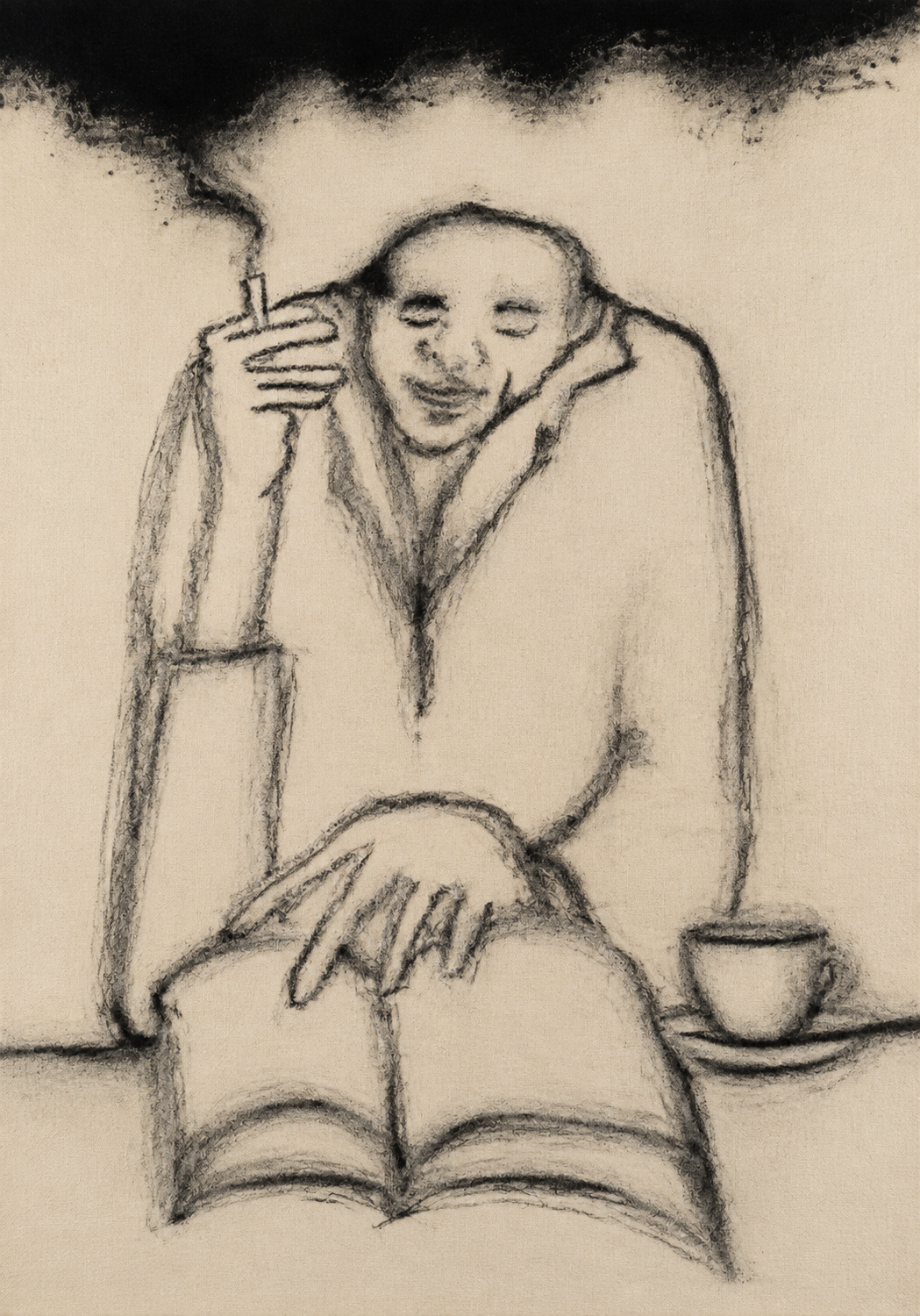
Knowledge is not comfort, unfortunately. The map is not the territory, and a psychiatric label is certainly not a rope ladder. The word “depression” ultimately comes from the Latin deprimere—to press down—and etymology offers approximately as much assistance as one would expect when you are the thing being pressed. The weight is not literary when you are beneath it. It is somatic. Limbs become negotiations. Tea becomes a project. Bathing becomes project management. A telephone call develops the logistical complexity of the Berlin airlift.
And sleep, therefore, becomes my counterfeit medication: self-prescribed, endlessly refillable, available without a pharmacist and incapable of curing the disease for which I keep taking it.
Not the restorative kind. Not the sensible eight-hours-and-wake-refreshed sleep described by health websites featuring photographs of attractive couples under white duvets, both apparently unconscious despite owning no ceiling fan and having sunlight pouring directly onto their faces. Mine is escape-hatch sleep. Anaesthetic sleep. The sleep whose chief therapeutic property is that while I am inside it I am not conscious of needing therapy.
Depression can bring too little sleep or too much of it; mine has learned both tricks over the years, because apparently even misery believes in professional development. There are nights when sleep refuses to come and mornings when waking feels like clerical error. But during these stretches I want more of it, not because it refreshes me—it often does not—but because it suspends me.
Time does not pass. It accumulates.
Hours stack upon hours like unpaid bills.
Outside, the festival continues without me. The goddess arrives. Bodhan, anjali, dhaak, bhog, crowds, photographs, exhaustion, Dashami. Sindoor flashes red. Durga begins the journey away again. The idols are taken toward the river and immersed. The temporary kingdoms of bamboo and fabric are dismantled. The restaurants count their receipts. The traffic police rediscover mortality. Calcutta removes the jewellery, rubs the makeup from its face and goes back to being Calcutta.
And I remain.
Horizontal mostly, vertical when bureaucracy or bladder demands it, a man who has mistaken his bed for a lifeboat and discovered after climbing aboard that lifeboats are supposed to travel somewhere.
There is no catharsis here. I distrust catharsis anyway; it is one of literature’s more successful confidence tricks. There is no redemption arc tucked conveniently into the final paragraph, no sudden shaft of autumn sunlight illuminating the lesson I was meant to learn. Depression is rarely so considerate of narrative structure.
There is only the slow, grinding persistence of a mind trying to escape itself with the only trapdoor immediately available.
The drums beat outside.
I hear them.
Of course I hear them.
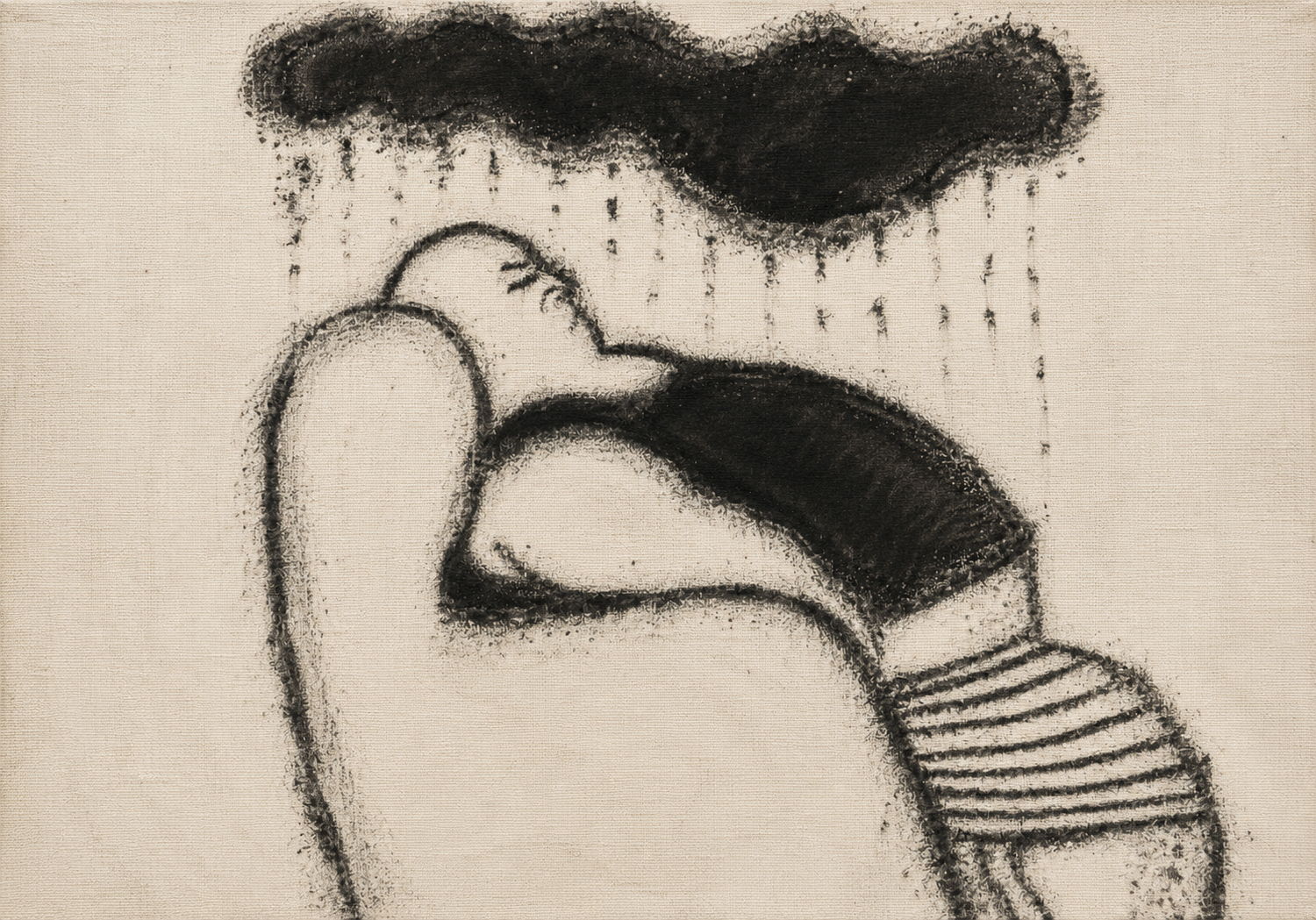
I turn over and pull the blanket higher, seeking that small republic of darkness that asks nothing, judges nothing, expects nothing. In sleep I am not failing to participate in life. I am not watching everybody else apparently succeed at the elementary task of wanting to be awake.
I am simply absent from the roll call.
And for now, absence is the only presence I can bear.
Word Cloud
Related reading
Selected by shared topics and section, with closer publication dates breaking ties.