Alienation During Durga Puja and Democracy
Uses the speech voice supplied by your browser or device.

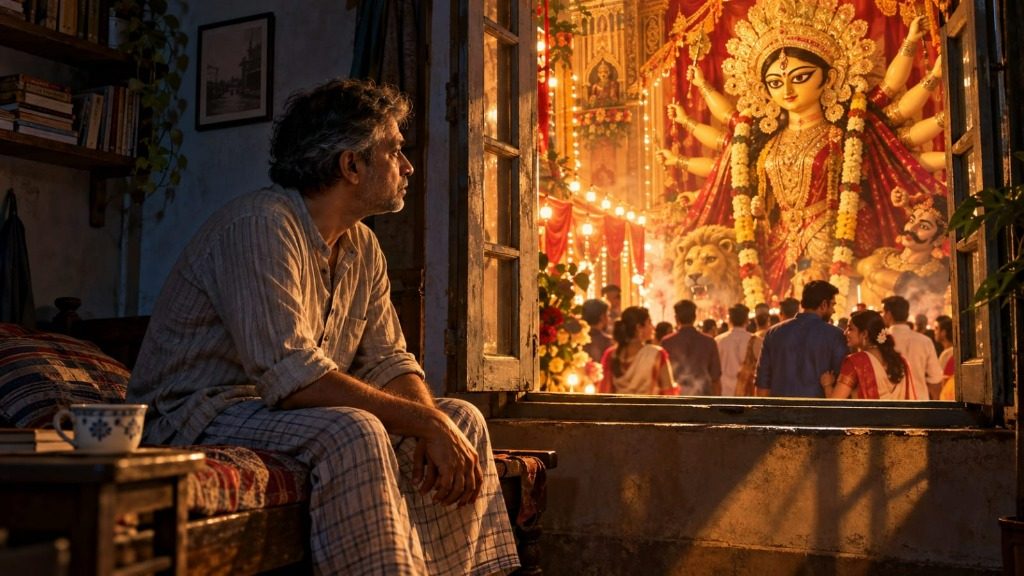
The noise gets here before the goddess. Mahalaya was yesterday; the main Puja days are still ahead, but Calcutta does not wait for the calendar to clear its throat before inserting a loudspeaker into yours. The city is assembling its annual machinery of happiness. Bamboo rises, lights go up, speakers announce that somebody somewhere has apparently decided sleep is a bourgeois conceit and that I, specifically, am the bourgeoisie. I sit in my rented room in south Calcutta while the ceiling fan cuts the October air into slices too thin to nourish anyone, and I think: well, at least something in this city is erect and functional.
This is the part where I am supposed to describe the smell of shiuli flowers, the white patterns of alpana, the golden glow of a thousand bulbs strung across streets like the nervous system of some enormous, ecstatic, dying animal. I know the vocabulary. I was raised inside it, the way a parasite is raised inside a host, comfortably, resentfully, inextricably. But the vocabulary is a borrowed sari and I am not wearing it well.
I am fifty-one. I live alone. I have been without steady paid work for so long that unemployment has stopped being a condition and become a climate, a permanent atmospheric pressure under which all things, festivals and revolutions alike, arrive already flattened.
Durga Puja is coming. The city appears to be a single organism preparing to convulse in joy, and I feel like the dead skin cell that has not yet gotten the memo to slough off.
And simultaneously, because the universe apparently believes in thematic coherence even when I do not, Indian democracy is convulsing too. People have been in the streets over the handling of electoral rolls, demanding the chief election commissioner’s resignation. Opposition parties are involved, along with student groups and other citizens. Their presence does not make the anger counterfeit. Nor does a crowd become a revolution simply because I desperately want something in this country to change.
I support the demand for resignation and accountability. I write in support of it on my blog. That is where I join in, from this room, because I cannot afford to travel to demonstrations. My contribution has a keyboard and no travel allowance.
The word that keeps presenting itself is kakistocracy. Government by the worst. A word so perfectly engineered for what I see around me that it deserves its own postage stamp, its own national holiday, its own commemorative plaque bolted to the gates of institutions that increasingly look like vending machines for the connected. Insert influence. Receive service. Everyone else may continue pressing the button.
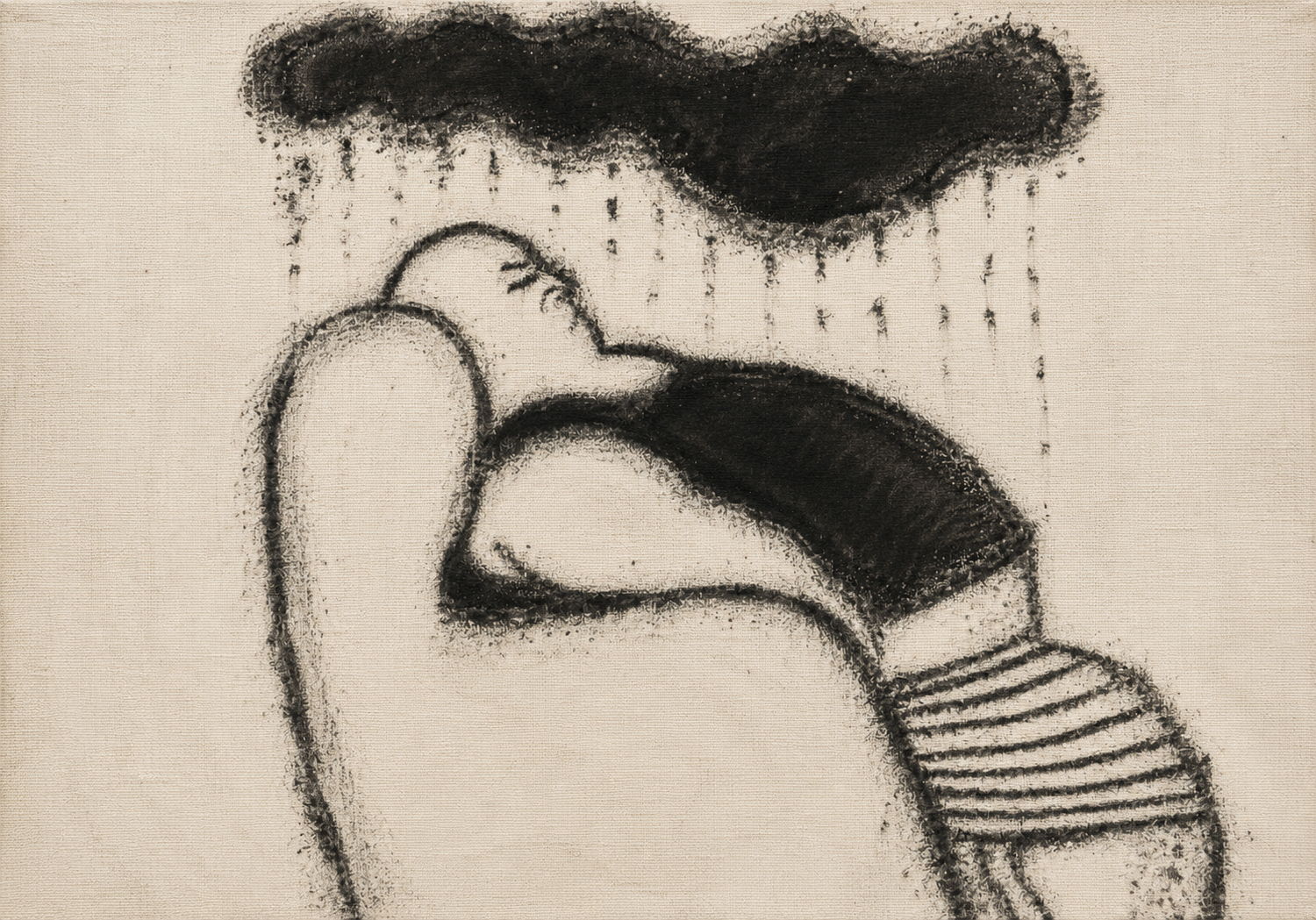
I should care more than I seem able to show. That is the confession. Not that I do not care. I care with a ferocity that surprises me still. But the caring has to travel through bipolar depression, financial dread, exhaustion, and the slow accretion of disappointments that a man collects the way a ship collects barnacles. By the time the feeling reaches the surface it can look almost polite, almost decorative, a protest sign written in watercolor.
Some days I have plenty of anger and cannot turn it into one useful action. The engine is screaming. The vehicle has no wheels. Someone from the roadside will shortly advise me to believe in myself.
I have my meds. Let me say that first, because it matters. And for October, at least, I have the assurance that I will not starve. I have paid the rent, barely. Those are not small things. A floor beneath your feet deserves acknowledgment when you have spent enough time staring at the abyss to exchange phone numbers with it.
But a floor is not a life. Getting through this month does not produce an income for the next one, or somebody to sit beside this evening, or the peculiar ease with which other people seem to make plans more than three meals into the future. Relief is real. So is the worry waiting just beyond it, checking its watch.
It has been years. Not a neat three-year sabbatical with an inspirational ending waiting at the printer. Years of trying to find steady paid work, of applications and conversations and possibilities that fail to become money, of discovering that having skills and getting paid for them are two separate administrative departments that apparently do not speak.
I spent roughly fifteen years in America studying and working in healthcare, research, and data systems. That life involved actual work, actual problems, things that had to function. It has not evaporated merely because my current bank balance cannot testify on its behalf. But professional identity is a fragile construct when nobody is buying what it says on the label. The longer you go without a regular income, the more your own experience begins to sound, even to you, like an implausible anecdote told by a man who has cornered you at a bus stop.
I know how much work went into becoming that person. I also know how little consolation the knowledge provides when rent is due.
And here is the thing about becoming disconnected from the ordinary traffic of relationships: it need not happen with a dramatic severance. No cinematic moment when the phone stops ringing and the door slams shut. It can happen through the gradual recalibration of what you believe you are entitled to ask of other people. A conversation you cannot face. An outing you cannot afford. The embarrassment of having nothing encouraging to report, followed by the embarrassment of being embarrassed, because apparently the original humiliation did not come with enough accessories.
Living alone does not mean I have no family, no contacts, nobody anywhere who cares. It means there are long stretches when whatever care exists does not take the form of someone being here. The distinction is perfectly clear on paper. It is less useful at night.
You become a country with a flag, a constitution, and a diplomatic service operating out of an empty cupboard. Your borders are technically open. You issue statements. You refresh the page.
After a while you stop expecting much. That is different from no longer minding. I mind. God, I mind, and I do not even believe in the fellow. Familiarity has not made loneliness painless. It has merely taught it where everything is kept.
Then October arrives, and the contrast between the city’s preparations and my own suspension becomes so stark, so theatrical, so almost deliberately cruel that even the practiced business of getting through an ordinary day begins to come apart.
I am an atheist. I do not believe the goddess is coming home, that a conch shell alerts the cosmos, or that the universe has arranged a seasonal customer-service window in Bengal. None of that prevents childhood from responding. The radio, the familiar voice before dawn, the sounds, the anticipation, the sense that something was about to happen and that I would have a place in it. Those associations do not consult my present beliefs before entering the room.
I can dismiss the theology in a sentence. The memories have keys.
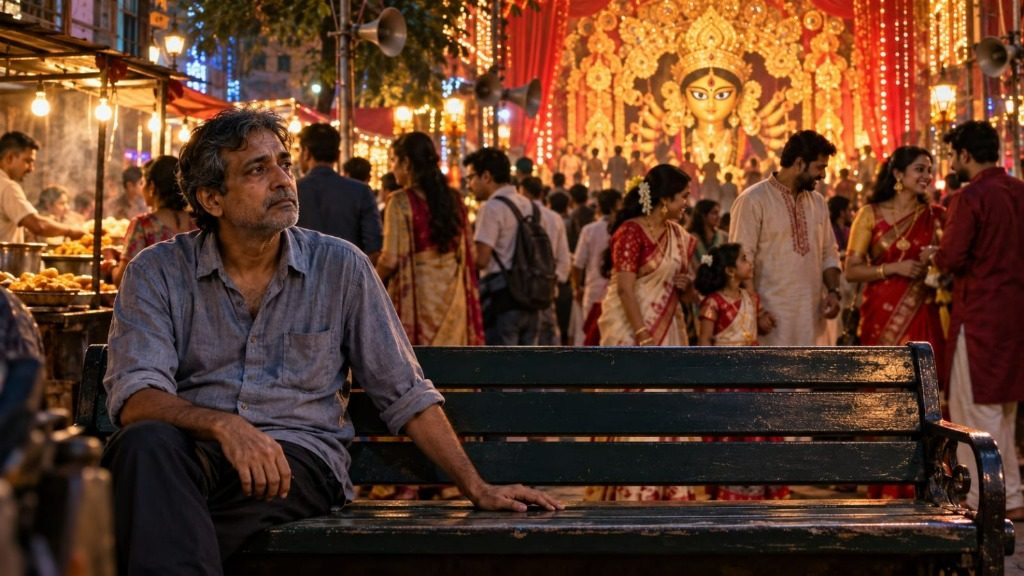
What hurts is not that other people believe and I do not. It is that the season puts belonging on public display. Families making plans. Friends deciding where to go. New clothes, meals out, somebody remembering to include somebody else. Money becomes movement. Affection becomes a place held in a queue. The ordinary arrangements of other people’s lives acquire lights and amplification, and the omissions in mine become impossible to keep politely in the background.
Not everybody out there is prosperous. I know that. Some are counting money as carefully as I am. Some may be miserable inside their new shirts. But the view from a lonely room is a rotten accountant. It totals other people’s visible pleasures and compares them with your entire private deficit.
For me, Durga Puja can feel like a siege. The city taken hostage by joy, with a ransom demand for participation, presence, the ability to answer “What are your plans?” without wanting to crawl backward into your own shirt.
The pandals rise like fever dreams, bamboo and cloth and lights and craftsmanship and devotion and competitive one-upmanship mashed together into structures built over weeks or months for a short season of glory. Later they will be dismantled. The speed with which a temporary palace can appear still impresses me. I have been trying considerably longer to assemble a functioning Tuesday.
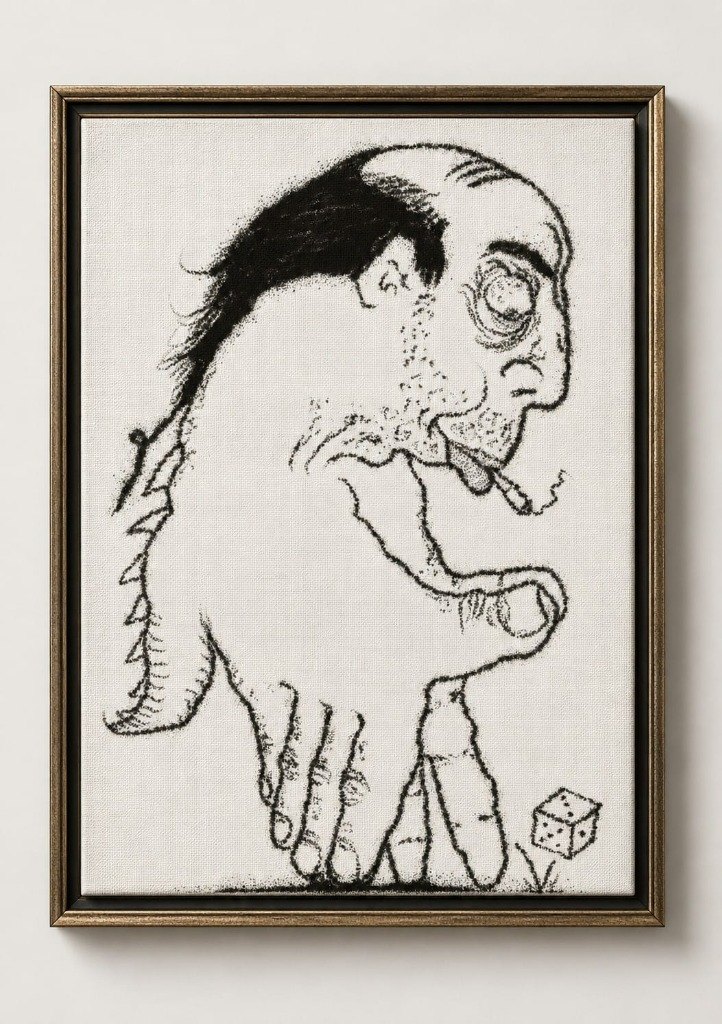
The goddess has ten arms, a lion, and Mahishasura to dispatch. In the familiar story he is the buffalo-demon, which gives her a wonderfully identifiable problem. There he is. Apply weapon. My difficulties do not have the courtesy to stand in one place with horns on.
I miss the possibility of enjoying any of this without first conducting an audit of my own life. The wanting has not disappeared. It has been tangled up with the feeling that I no longer have the right to participate, that my unemployment, my disconnection, my slow unraveling have rendered me ineligible for joy. To stand among people celebrating can feel like wearing a costume whose owner might arrive at any moment and ask for it back.
This is absurd. Durga Puja does not ordinarily check your employment status at the pandal entrance. The goddess is not going to ask for a payslip.
But “entry is free” is not the same as “participation costs nothing.” There is travel. Food. The small expenditure that other people can dismiss as small. There is the effort of getting yourself out when even simple things have become difficult. There is the prospect of returning to exactly the same room afterward, with less money and the noise still going.
And there is the bouncer inside your own head, checking your conviction that you deserve to be there. Mine has developed the manners of a minor official with a little power and an untreated grievance.
I can recognize the absurdity without making it disappear. I can know that I am not disqualified from pleasure and still find pleasure inaccessible. Distress has no such difficulty finding the address.
Yet I am not interested in confiscating other people’s happiness. Let the child have the new clothes. Let someone who has worked all year eat something they enjoy and stay out too late. Let an old couple have an evening together without being recruited into my dissertation on decline.
The beauty is real. So is the labor that makes it. I do not have to feel consoled by it to acknowledge that.
What I cannot bear is the demand that the beauty should settle the argument. Look at the lights, therefore be happy. Look at the crowds, therefore nobody is alone. Look at the goddess returning to her family, therefore kindly stop mentioning the people for whom homecoming is a noise heard through a wall.
Democracy has its own version of this demand. Look at the turnout. Look at the flags. Look at the size of the exercise. As though participation can be measured so completely by a head count that there is no need to ask whether a person has been heard, whether their rights are secure, whether the institution meant to serve them is willing to answer a question.
The festival and the protest can draw on some of the same human hunger: to gather, to count, to be more than an isolated person enduring whatever has been allotted. But they are not automatically the same impulse. A festival can make room for people; it can also put a sponsor’s banner over the things nobody wants discussed. A protest can demand accountability; it can also become another platform for somebody else’s ambition. The drums do not guarantee solidarity. Neither does a microphone.
Still, when people insist that public institutions must answer to the public, I want to add my voice. Even this voice. Especially when it comes out hoarse and tired and looks, on a screen, like one more unemployed man shouting into the plumbing.
I am writing from my room. Some of the distance between me and the street is made of fear and shame. Some is made of illness. Some is made of money I do not have. Calling the whole thing a barrier of my own construction would be a convenient way of turning circumstances into a character defect.
I already do enough of that without hiring the essay to help.
Knowing is not doing. The distance between knowing what might help and being able to do it can feel absurdly small and impossibly large at the same time. I do not need quantum mechanics to certify the paradox. I have an ordinary Tuesday.
Lately I have been writing fiction alongside these essays. I can give invented people a share of the despair, spread the load around a little, let somebody with a different name occupy the room. But the fiction keeps turning dark. Cities get eaten. Ordinary things become catastrophes. The characters begin to resemble me in ways that feel less like artistic achievement and more like being followed home.
Their loneliness is familiar. Their rooms are familiar. I can introduce an impossible event and still find the old anxiety sitting there afterward, as though it has paid a deposit.
This does not make the stories literal diaries. It means imagination is not a disinfectant. I can invent an apocalypse more easily than I can imagine a convincing afternoon in which I am simply at ease.
So here is an essay again. No monster to blame. No hole in the earth doing the useful narrative work of giving the dread a circumference. Just a man in a rented room, alive, medicated, temporarily fed and housed, still unable to make those facts add up to a feeling of being securely inside his own life.
I do not offer this because it is extraordinary. I offer it because it is happening, and because the alternative is another evening in which everything stays inside my head and becomes less bearable for having nowhere else to go.
Calcutta is getting ready. There will be dhaak, conch shells, lights, queues, street food of aggressively uncertain provenance. There will be people who have waited all year for this. There will also be people for whom the season is something to get through. We may occupy adjoining rooms. The louder room gets to describe the building.
On the screen, people demand an answer from those responsible for protecting their vote. Outside, the city prepares to welcome its goddess. In here, I am trying to finish a paragraph without turning it into another charge sheet against myself.
The goddess has ten arms. I have two, and they are typing. For the moment there is somewhere for the noise to go.
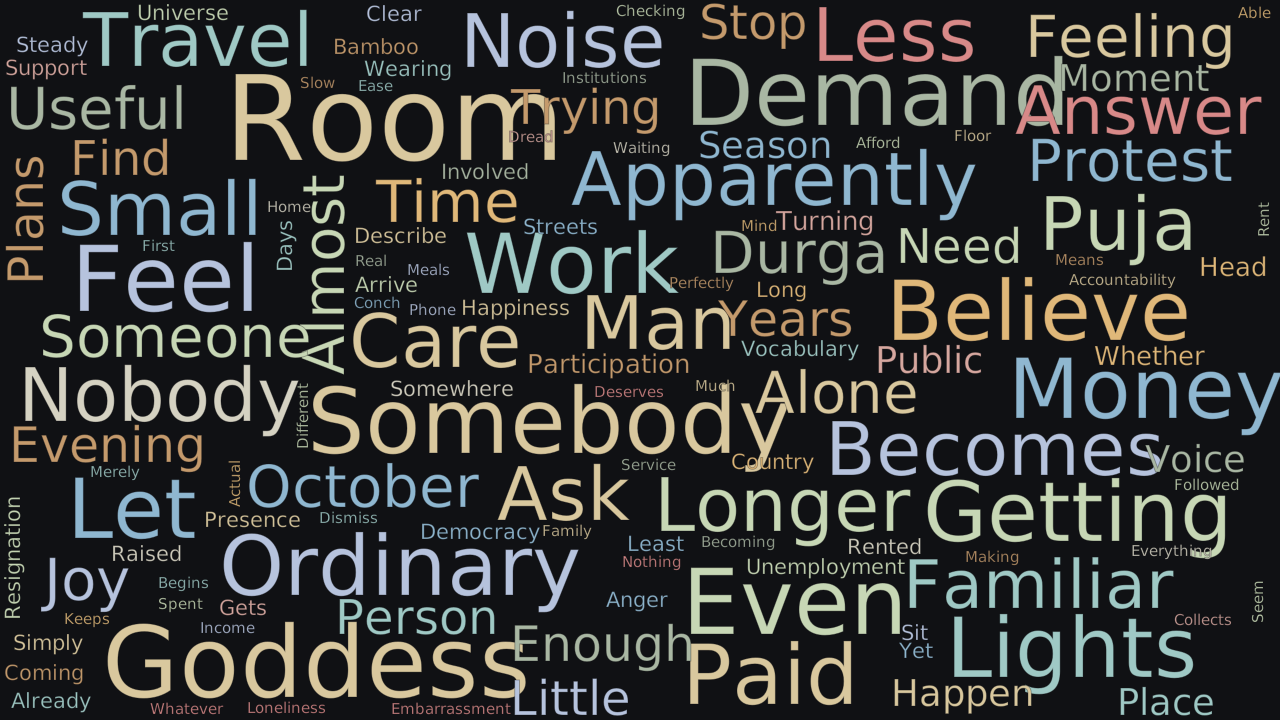
Word Cloud
Related reading
Selected by shared topics and section, with closer publication dates breaking ties.