Hydrocephalus of the Tap
Uses the speech voice supplied by your browser or device.

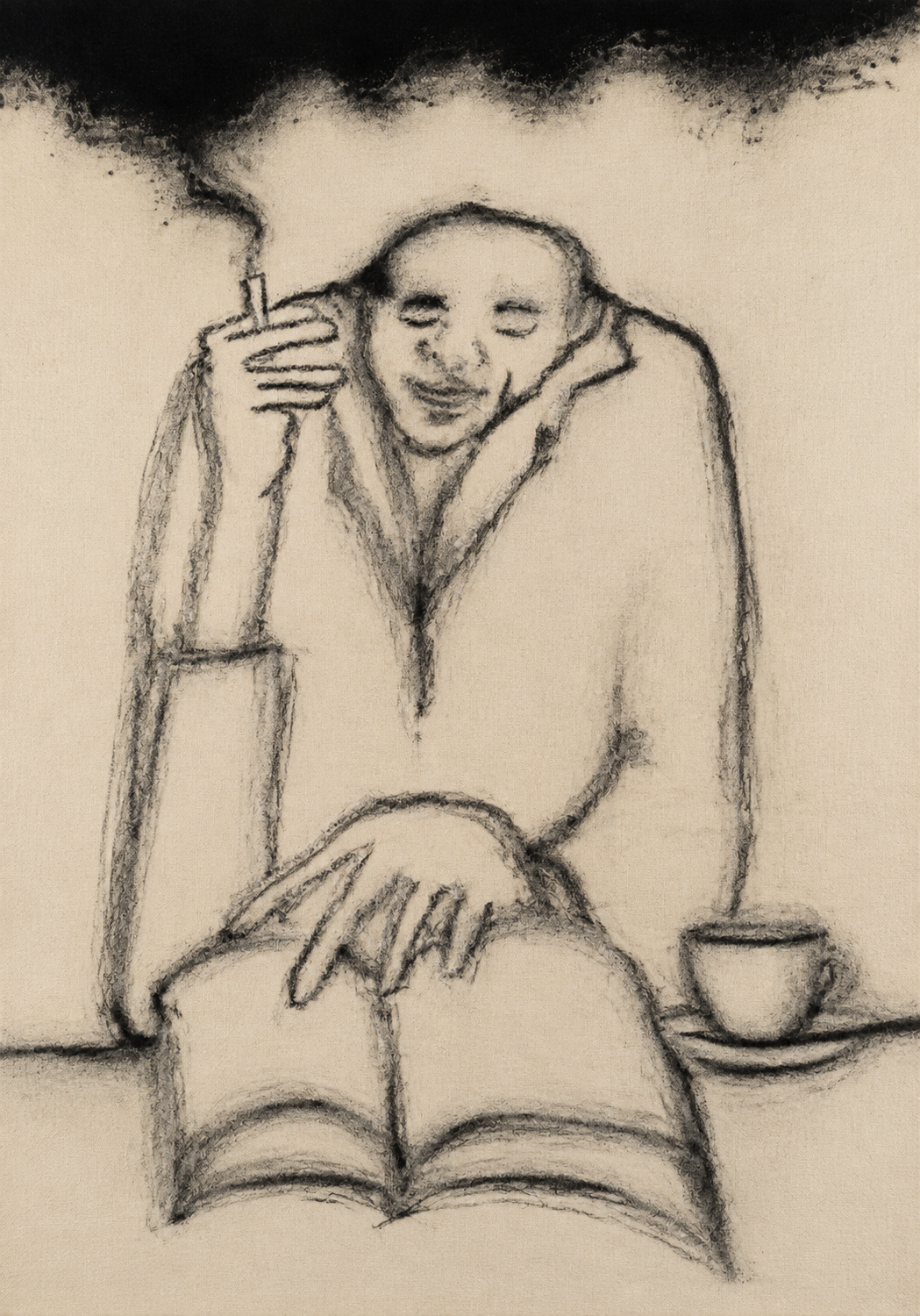
The human spine, that S-shaped traitor of collagen and calcium, was not designed for democracy. It was designed for the proud upright gait of a species that decided, somewhere in the Pleistocene, that looking forward was nobler than looking down. Forward to horizons, to predators, to the next village to pillage. Down was for water, for roots, for the humiliating business of survival. And I, a Bengali of certain years and uncertain cartilage, have decided that I will not bow. Not to God, not to government, and certainly not to a municipal tap whose water pressure fluctuates with the corruption cycles of the Kolkata Municipal Corporation.
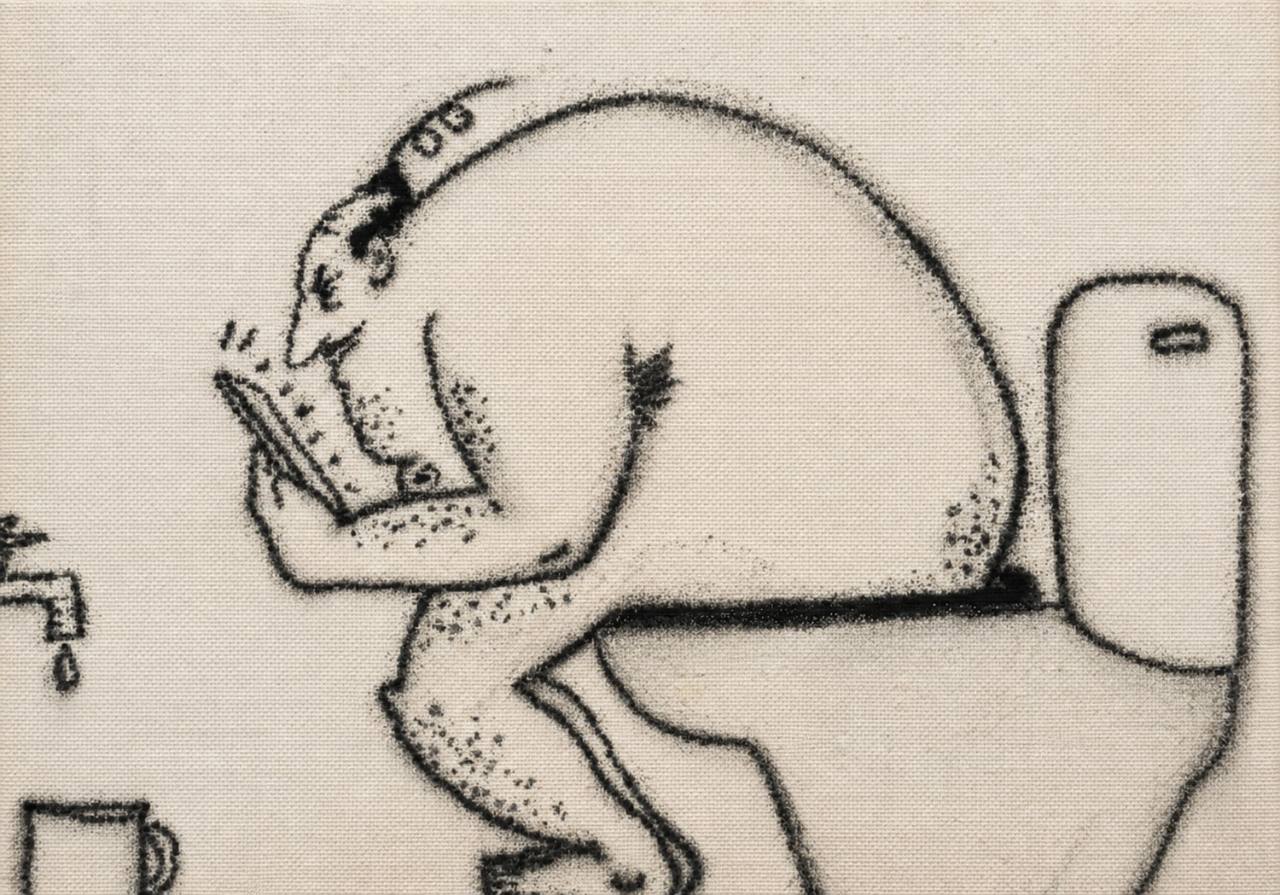
I do not drink much water. This is not a choice born of asceticism, though I have known Bengalis who treat dehydration as a spiritual discipline, as if the kidneys were mere ornaments and urea a form of prayer. No, my hydrophobia—let us call it what the Greeks would have called it, hydro (water) and phobos (fear), though in my case it is less fear and more aristocratic disdain—is biomechanical. To drink from the tap as the Americans do, those cowboys of hydration who stride up to any faucet and quell their thirst with the insouciance of people who have never known a monsoon-borne cholera outbreak, one must bend. One must flex at the lumbar, cantilever the torso, present the mouth like a baby bird to the metallic nipple of civilization. And I will not bend. My spine, that calcified rope of ancestral disappointments, has been calcifying further, ossifying into a question mark that queries every decision I have ever made, every posture I have ever held, every night I have spent reading quantum field theory on a mattress that the Archaeological Survey of India would classify as a heritage site.
The physics of it is merciless. The moment arm of the head, that eight-pound melon of consciousness, increases with every degree of forward flexion. At fifteen degrees, the effective weight of the head doubles. At thirty degrees, it triples. At sixty degrees—the angle required to negotiate with a Calcutta tap installed by a plumber who measured height for a population of pygmies—the head exerts a force of sixty pounds on the cervical vertebrae. Sixty pounds. That is the weight of a large bag of rice, or a small Bengali child, or the collective guilt of every uncle who ever asked why I did not become a doctor. My spine, already a crooked Bengali spine, a spine that has inherited the postures of colonial clerks hunched over ledgers, of rickshaw pullers bent under the weight of other people’s progress, of my grandfather copying Sanskrit slokas by lamplight, refuses this additional indignity. It refuses, and it creaks, and it threatens to snap like a dried twig in a Naxalite fire.
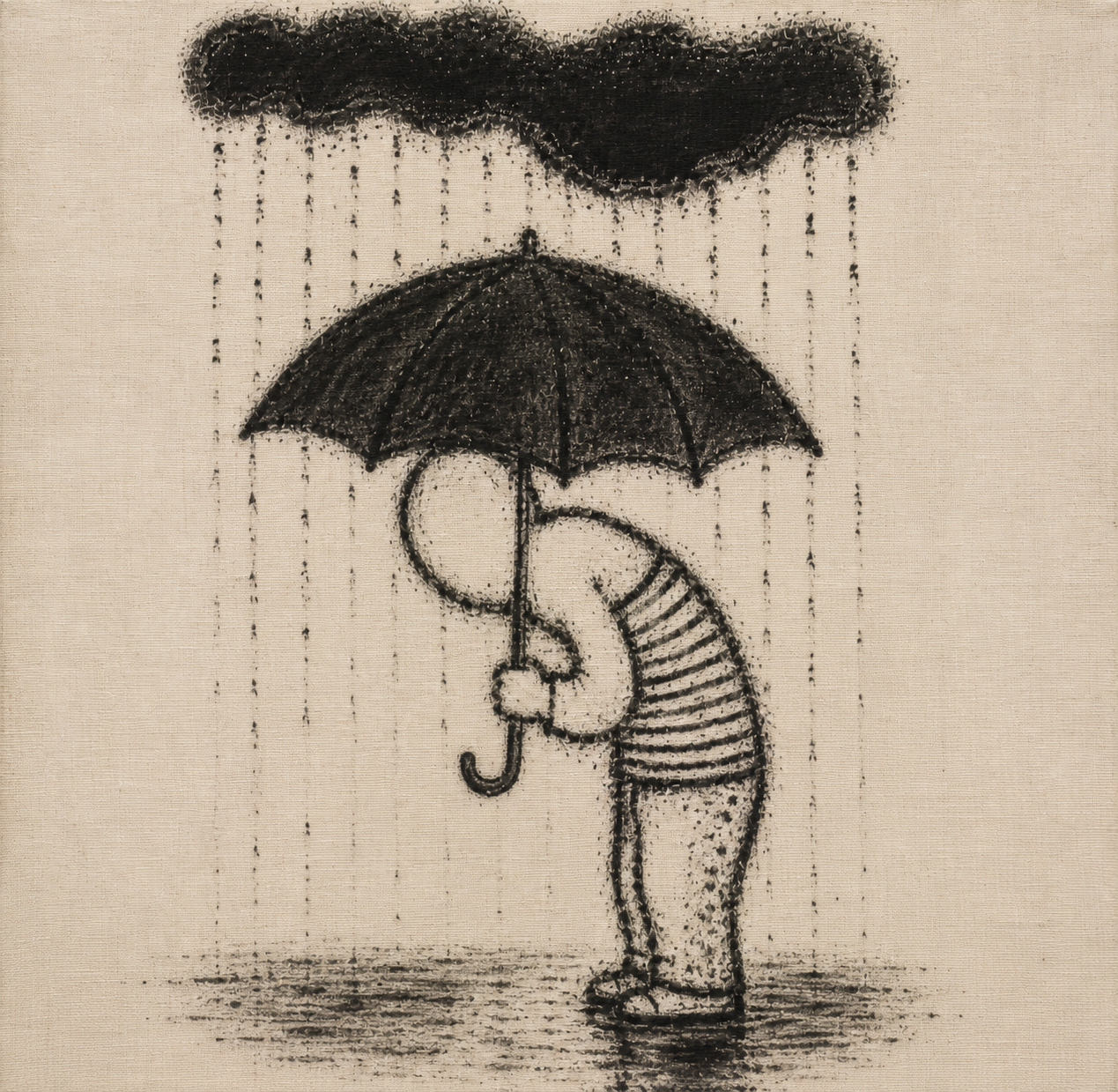
So I do not drink from the tap. I drink from a glass, like a civilized man, like a man who has read his Foucault and understands that the body is a site of political struggle. The glass elevates the water to me. I remain erect, sovereign, a vertical column of resistance against the horizontal tyrannies of plumbing. But the glass must be filled, and to fill it one must still approach the tap, still extend the arm, still perform a minor bow, a gesture of supplication to the hydrological state. It is a compromise, like all compromises, that satisfies no one and leaves everyone slightly thirsty.
The Americans, those hydration evangelists who carry bottles the size of small artillery pieces, who measure their urine with the precision of analytical chemists and speak of “staying ahead of thirst” as if thirst were a competitor in a market they intend to monopolize, they do not understand this. They have taps at waist height. They have water that does not taste of the Ganges and the sewer in equal measure. They bend for nothing, or so they believe, though they bend quite readily for capitalism, for convenience, for the soft tyranny of the comfortable chair. But they do not bend for water. Water bends for them, rises through pipes, emerges at pressure, submits to their lips with hydraulic obedience. It is the difference between a culture that tamed the horse and a culture that carries the horse on its back.
I remember, in my years of American exile, the first time I saw a man drink from a tap. It was in a hospital corridor, a place of stainless steel and fluorescent lighting where I was conducting research on outcomes I no longer believe in, measuring mortality with the dispassion of a man who has forgotten that death applies to him too. The man—a janitor, a noble profession, the last honest work in a country of consultants and content creators—strode to the wall, pressed his mouth to the faucet, and drank. No glass. No pause. No acknowledgment of the infrastructure, the pipes, the pumps, the municipal bonds, the century of engineering that made this moment possible. He drank as if water owed him a debt, as if the hydrogen bonds between those two atoms of shame and one of ambition had been arranged for his personal satisfaction. And I, standing there with my calibrated spine and my calibrated guilt, felt a pang that was not envy but recognition. Recognition that I would never drink like that. That I had been born into a geometry of subservience, a spinal curvature of colonial residue, that made such simple satisfactions impossible.
The etymology of “tap” is instructive. Old English tæppa, a peg or stopper, from Proto-Germanic tappô, related to tapon, to plug. The tap is a stopper that stops nothing, a plug that permits flow, a paradox of containment and release. It is the perfect metaphor for the modern condition, where we are simultaneously flooded and starved, drowning in information while dying of meaning, surrounded by water while unable to bend to drink. The Sanskrit word for water, apah, is more honest. It is simply water, the plural of ap, the fluid that flows, that does not bend, that finds its level with the indifference of physics to human posture. Apah does not care if you bend. Apah does not care if you die of pride. Apah flows, and we flow with it, or we do not, and the apah flows on, indifferent, amoral, atheist.
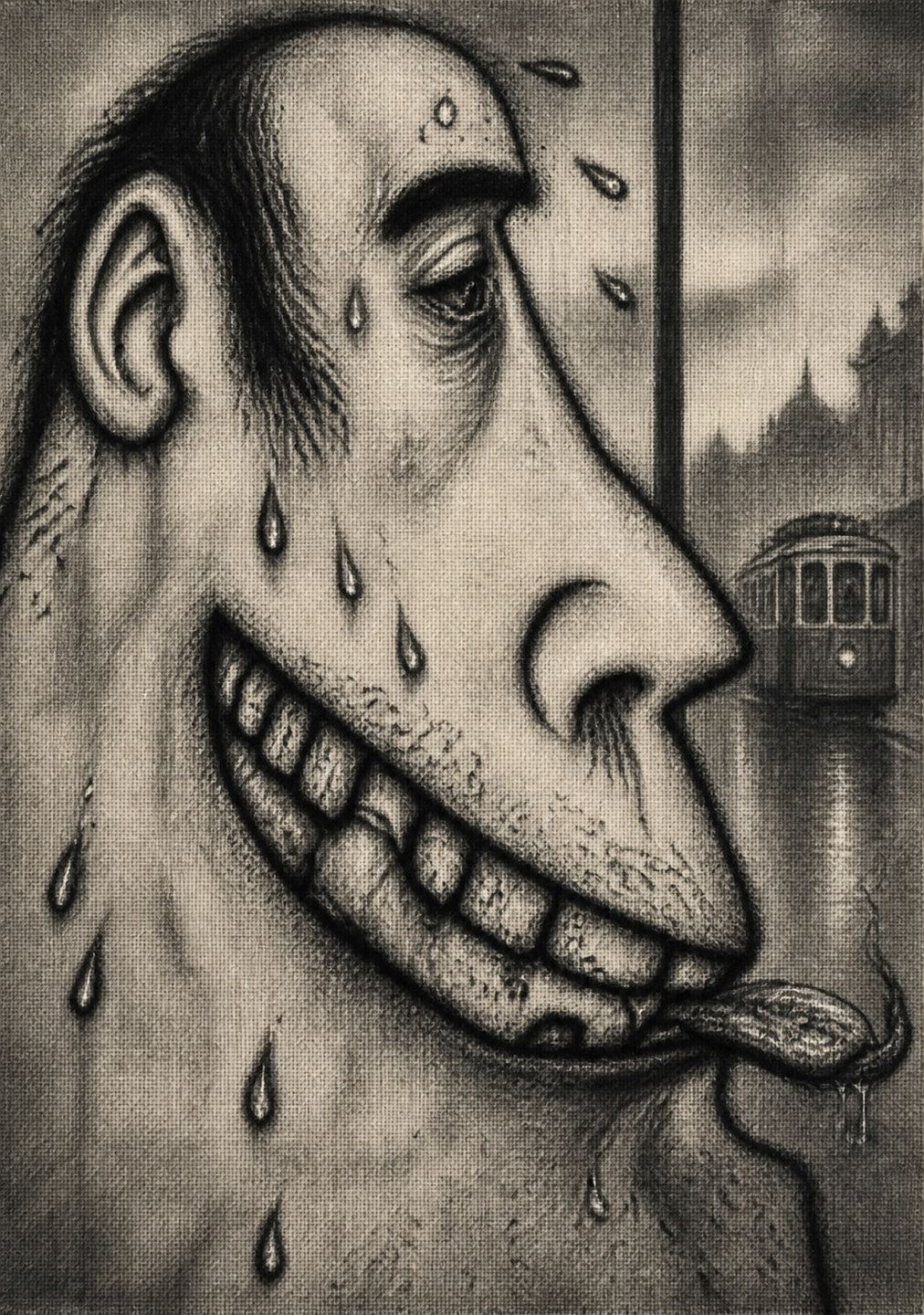
My mother, who believes that all physical ailments are the result of insufficient water and insufficient prayer, tells me that I will damage my kidneys. She is probably right. The kidneys, those twin conspirators of filtration, require flow to function. Stagnant blood, like stagnant water, breeds bacteria, breeds stones, breeds the crystallized precipitates of a life lived in insufficient motion. But I tell her, and I tell myself, that there are other ways to hydrate. Tea, that brown sacrament of Bengali survival, which I drink in quantities that would alarm a cardiologist. Soup, that liquid apology for solid food. The moisture in fish, in rice, in the humid air of Calcutta that enters the lungs with every breath like a warm, wet hand. I am hydrated, I insist, by atmosphere and ancestry, by the apah that falls as monsoon and rises as sweat and circulates in the eternal return of the water cycle, indifferent to whether it passes through my lips or my pores or not at all.
But the truth, that satya which the Upanishads declare is the essence of Brahman and I declare is the essence of discomfort, is that I do not drink because drinking requires bending, and bending requires acknowledging that I am not the vertical axis around which the world rotates. It requires acknowledging that I am animal, that I am body, that I am subject to gravity and thirst and the municipal water supply. And I, who have spent a life in the arrogant upright posture of the intellect, the posture of the man who reads standing up because sitting is too much like surrender, I cannot make that acknowledgment. Not without cracking. Not without becoming what remains of the crooked Bengali spine, a question mark that no longer expects an answer.
The Americans have a saying: “Hydrate or diedrate.” It is the kind of pun that makes me want to dehydrate out of spite. But there is a truth in it, a truth that the body does not negotiate, that the kidneys do not care about your posture or your politics or your pride. They care about flow. They care about apah. And apah, that indifferent plural, flows on, through taps and through time, through American mouths and Bengali glasses, through the curved spine and the straight, through the bent and the unbending, through the living and the dead, through the hydrocephalic accumulation of everything we refuse to let flow.
I do not drink much water. But when I do, I drink from a glass, standing straight, looking forward, as if the horizon owed me a debt I intend to collect. The glass is half empty. It is always half empty. The other half is apah, flowing elsewhere, indifferent, amoral, atheist, waiting for me to bend.
P.S. References: Kapandji, I. A. Physiology of the Joints; Han, J. S. The Spinal Column; Monier-Williams, M. Sanskrit-English Dictionary; Kolkata Municipal Corporation Water Quality Reports, 2023-2024.
Word Cloud
Related reading
Selected by shared topics and section, with closer publication dates breaking ties.