MRSA India Catastrophe
Uses the speech voice supplied by your browser or device.

Methicillin-resistant Staphylococcus aureus does not consult your bank balance before entering the conversation. It does, to be medically tedious for one sentence, discriminate statistically—hospitals, wounds, invasive devices, previous antibiotics, dialysis, crowded living conditions, skin contact, all the usual invitations matter—but it does not inspect your Aadhaar card and decide that today it prefers the rich. What happens after it gets inside you is where economics begins sharpening its knives.
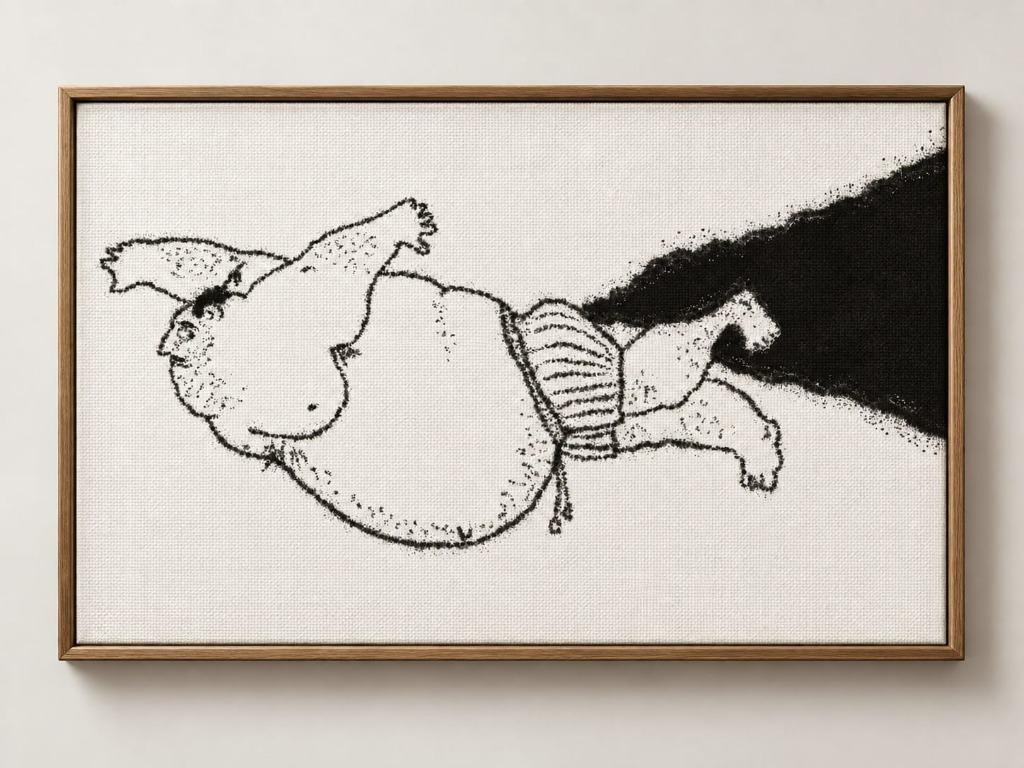
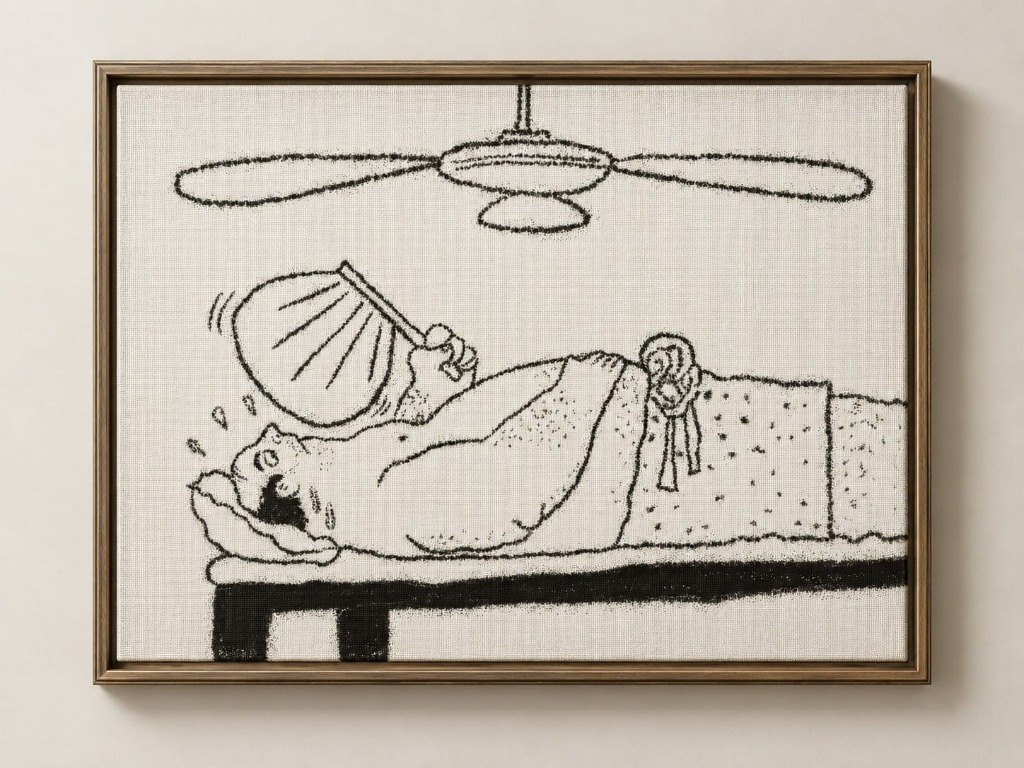
I am fifty-one years old, Bengali, living in Calcutta, and I possess the financial portfolio of a man who has either made consistently poor life choices or simply survived long enough to discover that “choice” in healthcare becomes increasingly philosophical as one’s bank balance approaches zero. If MRSA graduates from harmless colonization of skin or nose to an abscess, a surgical wound, pneumonia, or—God displaying his sense of administrative humor—a bloodstream infection, my death will not necessarily be cinematic. No violins. No tasteful morphine haze beneath white Egyptian cotton. I picture myself instead in an auto-rickshaw, folded into the geometry normally reserved for poultry transport, one elbow beneath somebody’s armpit and my bloodstream conducting its own microbial Durga Puja, while the driver attempts to violate three dimensions of Euclidean space to get past a bus.
This is not prognosis. This is Calcutta transportation planning with a fever.
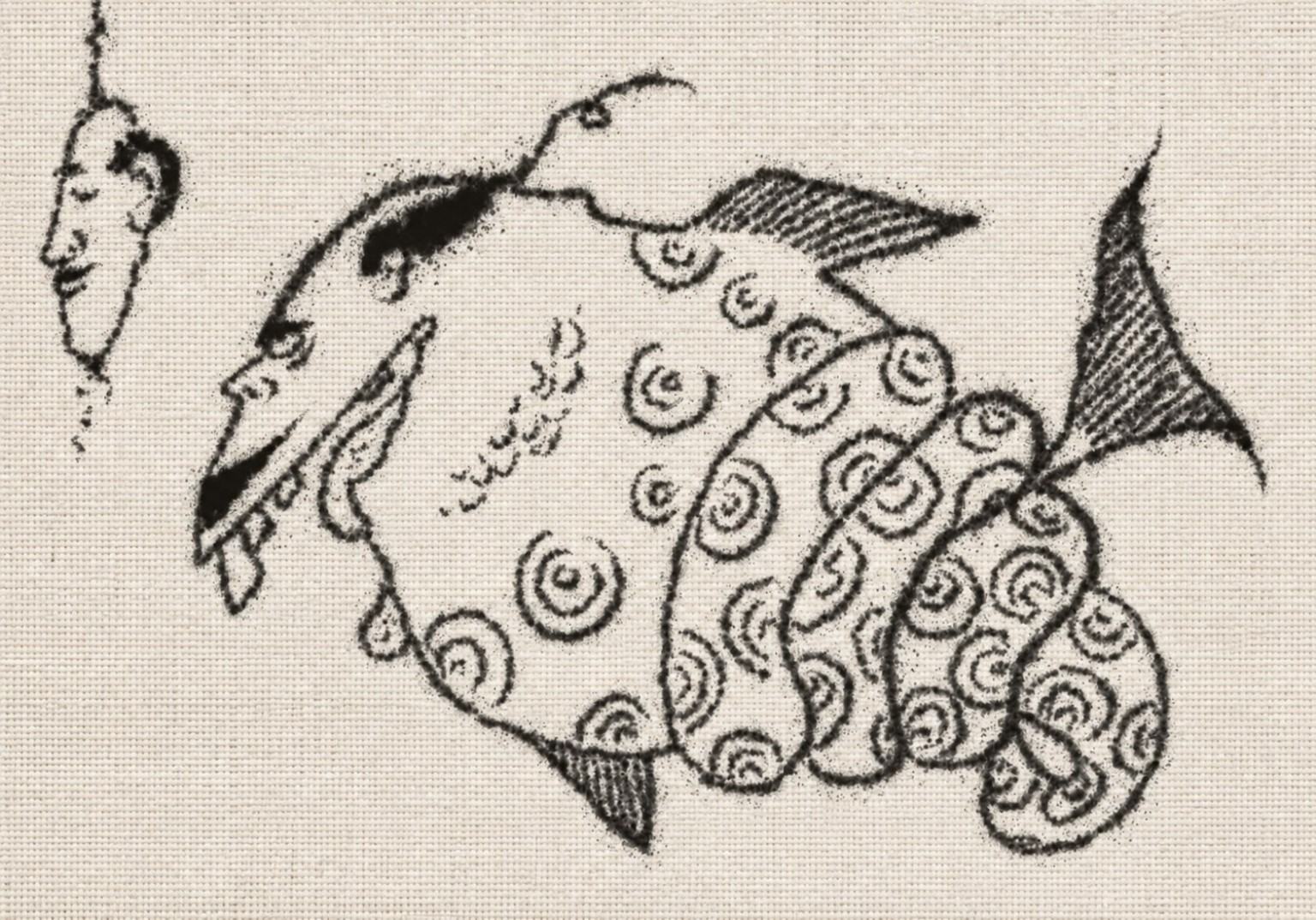
The bacterium itself deserves a certain respect, the sort one gives a successful burglar who has been robbing the same neighborhood since before mammals developed mortgages. Staphylococcus comes from the Greek staphyle, a bunch of grapes, and kokkos, berry, because the spherical organisms arrange themselves in those characteristic clusters. Aureus means golden: many strains produce the carotenoid pigment staphyloxanthin, giving colonies their yellow-gold appearance. Nature, having invented irony before literature departments, put a little halo on the bastard.
Methicillin arrived clinically around 1959, designed to defeat penicillinase-producing staphylococci. By 1961, British researchers were already reporting S. aureus resistant to it. Two years. We had barely finished congratulating ourselves before evolution returned the warranty card.
There is something magnificent about that. Not benevolent, not admirable in the Hallmark sense, merely magnificent. Humans discover an antibiotic, manufacture it by the ton, prescribe it, misuse it, underdose it, overuse it, feed relatives leftovers, sell it without adequate stewardship, dump residues into environments, expose bacterial populations to selection pressure, and then appear personally betrayed when organisms possessing generation times measured in minutes begin sorting themselves according to who survives.
The bacteria are not clever. Evolution does not sit in a laboratory stroking a bacterial beard. Variation exists, genes move, selection happens, populations change. MRSA’s famous trick is usually the mecA gene, carried on a mobile genetic element called SCCmec, which encodes the altered penicillin-binding protein PBP2a. Most beta-lactam antibiotics arrive intending to sabotage bacterial cell-wall construction; PBP2a has sufficiently low affinity for them that construction can continue despite the chemical assault. There are exceptions among newer beta-lactams, because biology enjoys footnotes, but the central mechanism is brutally elegant.
We call this “resistance,” which flatters us by making it sound as though the bacteria joined a political movement against medicine. They are merely alive.
The mathematics of my hypothetical demise are sufficiently ugly without inventing numbers. Staphylococcus aureus bacteremia remains a dangerous disease even in modern hospitals. Large systematic reviews put mortality at roughly eighteen percent by one month and around twenty-seven percent by three months, with outcomes varying enormously according to age, source of infection, speed of effective treatment, source control, and whether the organism is methicillin-resistant. Studies comparing countries have also found substantially higher hospital mortality in middle-income settings than in high-income ones. None of this licenses me to announce that “MRSA mortality in Indian public hospitals is sixty percent,” because there is no honest national statistic supporting such a neat catastrophe.
Reality has refused to cooperate with my hyperbole by being complicated.
India’s resistance problem, however, requires no theatrical assistance. ICMR surveillance from tertiary-care hospitals has repeatedly found a large proportion of S. aureus isolates to be methicillin-resistant, around the neighborhood of half in recent surveillance rather than some exotic organism encountered once every leap year by a professor with an unusual microscope. The exact percentage varies by year, hospital, specimen, geography, and patient population, which is what epidemiology does when prevented from becoming a WhatsApp forward.
So should I develop high fever, rigors, confusion, falling blood pressure, or the other cheerful heralds of sepsis, the important things become brutally ordinary: get blood cultures when appropriate, identify the source, start effective empirical antibiotics promptly when clinically indicated, obtain susceptibility results, drain whatever needs draining, remove infected hardware when necessary, support failing organs, then narrow therapy intelligently instead of firing the entire pharmacopoeia into the bloodstream like a drunken wedding party.
Notice the problem.
Every noun in that sentence is infrastructure.
Laboratory. Blood culture. Transport. Incubator. Identification. Susceptibility testing. Pharmacy. Nurse. Physician. Infectious-disease expertise. Sterile line. Functioning pump. Reliable oxygen. ICU bed. Source control. Time.
Medicine likes to portray itself as a duel between doctor and disease because duels make excellent television. Modern survival is more often a supply chain wearing a stethoscope.
My fear is not that I will reach a Calcutta hospital and encounter a room full of fraudulent doctors waving diplomas printed behind Sealdah station. India contains superb physicians, microbiologists, nurses, pharmacists, hospitals and laboratories, including public institutions doing sophisticated work under loads that would make some Western hospitals spontaneously unionize. The uglier truth is less satisfying to satire: quality and access are uneven. Beds are finite. People arrive late. Laboratories differ. Staffing differs. money differs. Geography differs. Antibiotic practices differ. One hospital may have automated blood-culture systems, MALDI-TOF identification, excellent antimicrobial stewardship and an intensivist arguing about vancomycin pharmacokinetics; another patient fifty kilometers away may be discovering that “come back tomorrow” is not an optimal treatment for septic shock.
I do not need every machine to be broken for inequality to kill me. I merely need the right machine, specialist, drug, bed, diagnostic result or ambulance to be unavailable at the wrong hour.
That is much less picturesque than corruption and much more frightening.
Suppose blood cultures are drawn. Good. Now we have begun medicine instead of astrology. Severe suspected MRSA infection may be treated empirically with an MRSA-active drug depending on the syndrome and local resistance patterns. Vancomycin remains an important standard treatment, but calling it “the antibiotic of last resort” belongs increasingly to an older and simpler world. Daptomycin is another major option for MRSA bloodstream infection; other agents have roles depending on the infection site, susceptibility pattern and clinical circumstances. Vancomycin is not Zeus’s final thunderbolt. It is a useful drug requiring correct dosing, monitoring and judgment.
Which is almost disappointing. I had grown fond of imagining an intensivist opening a refrigerated golden case marked LAST RESORT while Wagner plays through the hospital PA system.
The laboratory matters because the organism is not impressed by branding. A third-generation cephalosporin cannot be persuaded into treating MRSA through confidence. Fluoroquinolones are not magical merely because the prescription pad looks expensive. Antibiotic susceptibility is a biological property, not a customer-service negotiation. Culture and susceptibility testing tell clinicians what grew and, within the limitations of laboratory testing, what is likely to work. Molecular tests can sometimes accelerate identification or detection of resistance markers, but there is no single universal American machine that whispers “MRSA” into the doctor’s ear while Indian hospitals wait for divine revelation. Diagnostic capability varies within both countries.
The caricature must therefore move one floor upward, from primitive-versus-modern to something more embarrassing: what happens when civilization possesses the knowledge but distributes the machinery for using it according to postcode, money, institutional competence and accident?
That is where the joke stops being comfortable.
Then there is the Indian pharmaceutical paradox, one so good that satire merely has to avoid exaggerating it. India is one of the great drug-manufacturing powers of the planet, a major supplier of generic medicines and an enormous vaccine producer. Indian factories help medicate the world. This does not mean thirty percent of medicines sold in India are fake. That number has been repeated so often it has acquired the authority of an elderly uncle at a wedding, but India’s large national drug survey in 2014–16 found about 3.16 percent of tested samples were not of standard quality and only about 0.0245 percent were classified as spurious. Those figures are old and cannot be mechanically pasted onto 2026, while CDSCO continues to issue current alerts for individual not-of-standard-quality and spurious batches.
And globally, WHO estimates that roughly one in ten medical products in low- and middle-income countries may be substandard or falsified.
There. Reality supplies enough ammunition. We do not need to manufacture cartridges.
A failed assay is not necessarily chalk dust. A substandard drug is not necessarily counterfeit. A falsified drug is not necessarily an Indian drug. A legitimate manufacturer is not responsible merely because some criminal has copied its label. These distinctions are boring until you are the patient receiving the vial, at which point taxonomy acquires religious importance.
The nightmare is not that every antibiotic in my pharmacy is secretly pond water. The nightmare is that pharmaceutical quality exists as a probability distribution and I, having spent part of my working life around data, know what probability distributions eventually do to individuals.
Somebody becomes the numerator.
The larger obscenity is antimicrobial resistance itself. We have built one of civilization’s miracles—the ability to turn infections that routinely killed our ancestors into treatable inconveniences—and then treated that miracle like a bottomless municipal tap. Antibiotics became expectation, insurance policy, consumer demand, livestock input, reflex prescription and occasionally substitute for diagnosis. Every unnecessary exposure creates ecological pressure. Not because swallowing one azithromycin tablet personally manufactures a mutant superbug before breakfast, but because antibiotic use across humans, animals and environments changes which organisms survive and propagate.
India has particular reasons to worry: an enormous population, huge antibiotic consumption, dense healthcare systems, over-the-counter access that has historically been difficult to control, uneven infection prevention, environmental antibiotic contamination in some settings, and simultaneously millions of people for whom access to the correct antibiotic at the correct time remains imperfect.
Too much antibiotic and too little antibiotic, occupying the same country.
That is India distilled into one pharmacological absurdity.
I spent roughly fifteen years around American healthcare and biomedical research, enough to know that America is not the gleaming counterexample my angry narrator would like it to be. American hospitals have medical errors, healthcare-associated infections, resistant organisms, grotesque billing, insurance absurdities, unequal access and patients who postpone treatment because illness has made the unforgivable mistake of occurring before payday. MRSA has killed plenty of Americans inside buildings containing excellent laboratories.
Money does not abolish biology.
But resources alter probabilities. Rapid diagnostics where available, reliable microbiology, infection-control systems, antimicrobial stewardship, specialist consultation, drug monitoring, staffed ICUs and enough redundancy that one broken machine does not become destiny—these things change outcomes. Wealth at the health-system level buys options, and options are what disease progressively removes.
That is what frightens me.
Not MRSA as some microscopic Bengali demon crouching in a drain beside College Street. MRSA is merely S. aureus carrying resistance machinery and behaving according to evolutionary rules. It has no ideology. It does not hate the poor. It does not accept bribes. It cannot recognize a VIP cabin.
We built that part.
The bacterium contributes mecA. Society contributes the rest: when care is sought, whether diagnostics are available, whether the first antibiotic is sensible, whether the correct drug reaches the patient, whether the infected catheter comes out, whether someone notices the blood pressure falling, whether an ICU bed exists, whether treatment bankrupts the family, whether antimicrobial stewardship survives the commercial desire to prescribe something—anything—because a customer who leaves without tablets suspects the doctor has done nothing.
The bacteria follow natural selection.
We follow paperwork.
And if one day I do acquire MRSA bacteremia, I hope this entire essay proves to be the neurotic pornography of a medically literate pessimist. I hope the blood cultures flag positive, the organism is identified, susceptibility results appear, the right drug enters the right vein at the right concentration, somebody looks for endocarditis or another deep focus when clinically appropriate, source control happens, my kidneys tolerate the proceedings, and I return home irritated that science has ruined a perfectly good obituary.
That would be the ideal humiliation.
But poverty teaches a peculiar form of probabilistic thinking. You stop asking whether good care exists and start asking whether good care will intersect your coordinates at the necessary hour.
Somewhere in a laboratory, under sufficiently magnified light, Staphylococcus aureus still forms its little grape clusters. Golden colonies. Microscopic spheres. No malice anywhere in them.
The malice is something we keep adding ourselves.
The auto-rickshaw is waiting.
The traffic is not moving.
The blood culture takes time.
The bacteria have already started dividing.
P.S. References: Indian Council of Medical Research (ICMR), Antimicrobial Resistance Surveillance & Research Network annual reports; World Health Organization, reports on substandard and falsified medical products; Bai et al., “Staphylococcus aureus bacteremia mortality across country income groups,” International Journal of Infectious Diseases (2022); Bai et al., “Staphylococcus aureus bacteraemia mortality: a systematic review and meta-analysis,” Clinical Microbiology and Infection (2022); reviews of mecA/PBP2a-mediated beta-lactam resistance; Central Drugs Standard Control Organisation (CDSCO) drug-quality surveillance and National Drug Survey; George Orwell, “How the Poor Die” (1946).
Word Cloud
Related reading
Selected by shared topics and section, with closer publication dates breaking ties.