Falling Through the Southern Edge at 3 AM
Uses the speech voice supplied by your browser or device.

Acronyms used in this post:
BPD — Bipolar Disorder, a mental illness involving cycles of depression and mania that distort energy, motivation, sleep, judgment, and emotional stability.
IT — Information Technology, the world of software systems, computers, data, networks, and corporate technical work.
US — United States.
I am falling again.
Wonderful.
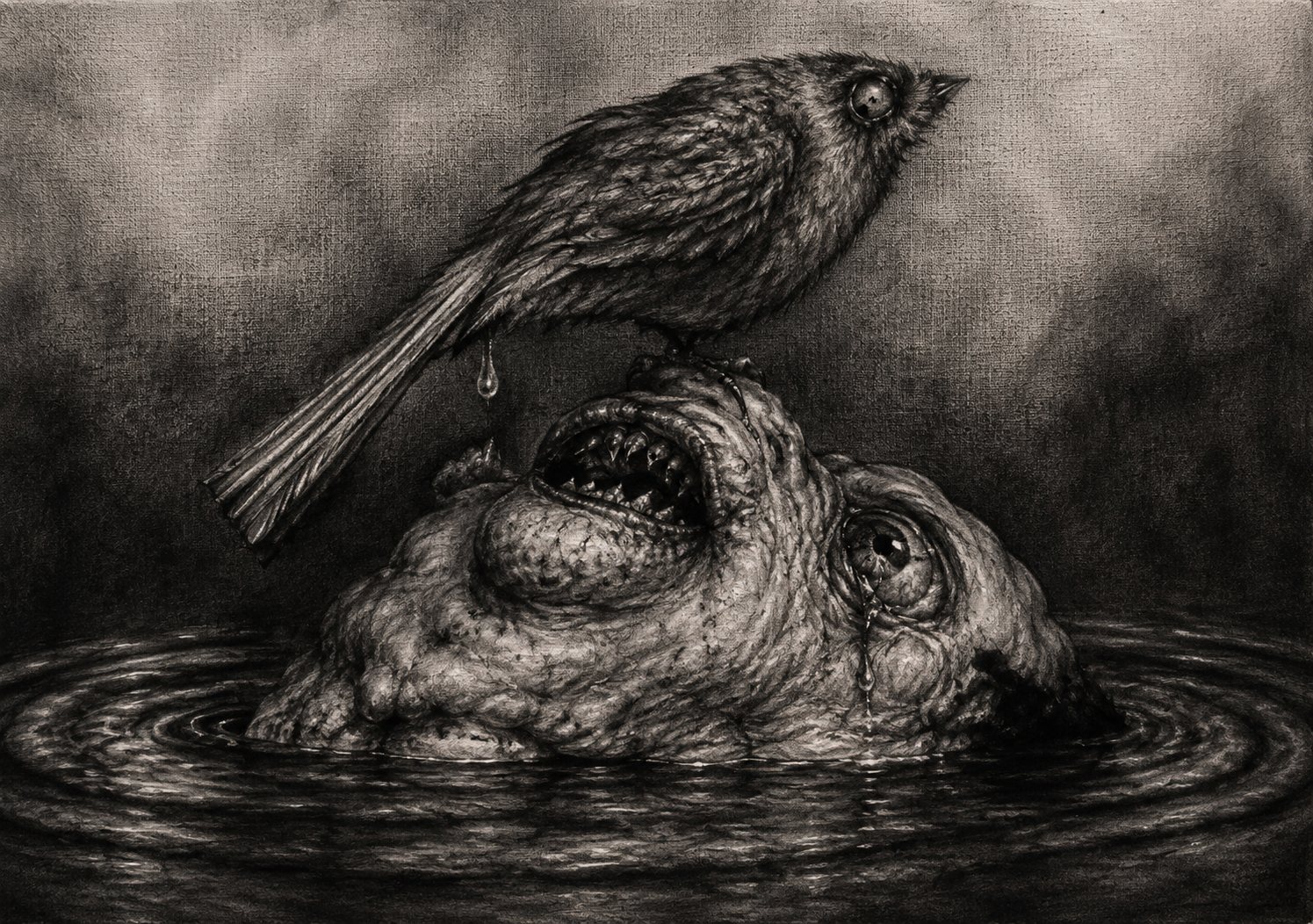
Some people dream of beaches. Some dream of old lovers. Some dream of exam halls where they forgot to wear trousers. My brain, being an overenthusiastic municipal corporation contractor, specializes in large infrastructure projects. Endless falling shafts. Infinite stairwells. Buildings without floors. Elevators opening into darkness.
Last night I fell through twenty years of my own life like loose change slipping through torn pajama pockets.
Down.
Down.
Down again.
At one point I fell past an old apartment in Texas where the air-conditioning hummed like a satisfied refrigerator full of expensive cheese. Then through an office corridor in San Antonio at 2 AM where servers blinked quietly with the confidence of machines that still believed humanity had a plan.
Then suddenly — thud — not physically, emotionally — I was back in the southern edges of Calcutta again. That strange endless belt where the city becomes semi-village and semi-fever dream. Half apartment complex, half pond. Half tuition center, half banana tree.
The funny thing is waking up barely improved matters.
Dreams at least have editing.
Reality just drags on like a Doordarshan serial from 1989.
Morning arrived with the usual orchestra. Somebody coughing like a diesel engine trying to start in winter. A pressure cooker screaming. Crows arguing over fish remains with the seriousness of United Nations diplomats. One neighborhood uncle clearing his throat for six uninterrupted minutes as if excavating coal from inside his lungs.
And there I was.
Fifty-one years old.
Single.
Broke in the polished middle-class way where technically you are not starving but psychologically you feel one electricity bill away from becoming folklore.
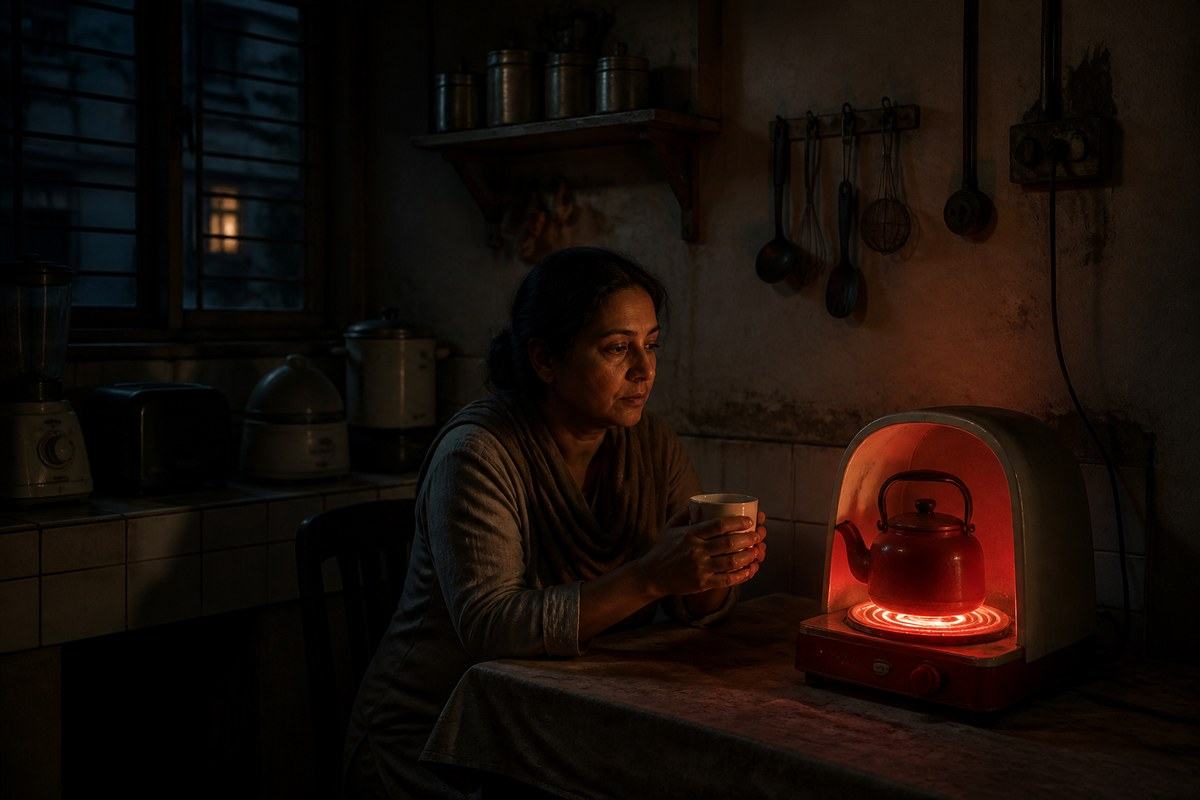
I made tea. Weak tea, because milk prices now behave like they have international ambitions. Sat near the window. The ceiling fan rotated with the enthusiasm of a retired government employee nearing pension. Outside, a man was selling vegetables while simultaneously discussing geopolitics on Bluetooth earphones.
That is modern India in one frame.
Inflation. Coriander leaves. Nuclear strategy.
Everything together.
You know what nobody tells you about getting older in Calcutta?
The city becomes smaller while your fears become larger.
At twenty-five, the future feels enormous. At fifty-one, the future feels like one of those tiny medicine strips where only two tablets remain and you keep checking whether you really need to take one today.
And BPD adds masala to the whole affair.
Depression first.
Not sadness. Sadness is manageable. Sadness still brushes its teeth.
Depression is different. Depression is when bathing starts feeling like an administrative burden requiring interdepartmental approval. You stare at emails for two hours. You make elaborate plans to organize your life. Then you celebrate the planning so thoroughly that the actual task never occurs.
Meanwhile dishes accumulate in the sink like archaeological layers.
Then mania arrives.
Ah yes. The grand reopening ceremony.
Suddenly you are a genius again.
Now you will write three books.
Now you will launch a consulting platform.
Now you will study neuroscience, quantum mechanics, Bengali literature, geopolitics, AI, and Mughal architecture simultaneously at 4 AM while eating muri from a steel bowl.
The brain becomes a Durga Puja pandal during peak lighting hours. Everything flashing. Everything meaningful. Every coincidence loaded with cosmic significance.
Then the electricity trips again.
Darkness.
Silence.
One of the cruel jokes of BPD is not merely suffering. It is time theft. Entire years vanish. You think you were “recovering for a few months.” Then you discover the Prime Minister has changed twice and your favorite tea stall owner now has grandchildren.
Time quietly robs you while you are busy negotiating with your own nervous system.
And Calcutta is an unforgiving city in which to become economically fragile because this city remembers status the way elephants remember insults.
The old Bengali middle class still walks around carrying invisible trophies from 1978.
“My son studied engineering.”
“My daughter is in America.”
“My nephew works in banking.”
Wonderful.
Very nice.
Meanwhile half these households are balancing financially on one pension, one tuition income, and divine intervention.
The old bhadralok fantasy was built for another planet entirely. A planet where education guaranteed stability. Where reading books had economic value. Where intelligence could slowly mature like good mango pickle.
Now everything is velocity.
Content.
Engagement.
Networking.
Personal branding.
I recently saw a nineteen-year-old motivational influencer explaining discipline while dancing beside a Lamborghini rented by the hour.
Civilization is becoming impossible to parody because it has started parodying itself first.
Sometimes at night I walk through these southern lanes after rain. The roads shine under streetlights. Water collects in potholes deep enough to support fisheries. Dogs sleep under half-finished apartment buildings with names like “Moonlight Residency” and “Silver Paradise.”
Paradise always seems to involve leaking pipes here.
A tea stall glows in the darkness. Men stand silently with tiny bhaars of tea. One watches cricket highlights. Another scrolls news about war somewhere far away. Gaza. Ukraine. Markets crashing. AI replacing jobs. Heatwaves coming.
And then somebody says, “Dada, cha-ta besh hoyeche.”
Tea is good.
Human civilization summarized in one sentence.
The world may be collapsing but if the tea is decent, negotiations with existence can continue for another twenty minutes.
That may be why I keep surviving too.
Not courage.
Not optimism.
Certainly not self-help wisdom from LinkedIn monks posing beside mountain sunsets.
Tiny things.
A breeze entering the room after unbearable humidity.
The smell of egg toast from a roadside stall.
A good line in a book.
Old Hemanta songs drifting from a passing auto.
Rain beginning exactly when you thought the heat would kill you.
Tiny things.
You think life is sustained by grand purpose. Actually it is usually sustained by small recurring mercies.
Still, the falling continues.
Every few nights I return to that dream.
I keep dropping through darkness from one ruined version of myself into another. Young me. American me. Hopeful me. Sick me. Broke me. Terrified me.
And just before waking I always expect impact.
It never comes.
Maybe that is the real nightmare.
Not hitting bottom.
But discovering there may not be one.
Word Cloud
Related reading
Selected by shared topics and section, with closer publication dates breaking ties.