Depression Arrives as Weather
Uses the speech voice supplied by your browser or device.

Acronyms and terms used in this post:
BD: Bipolar Disorder, a mood disorder in which depression may arrive with crushing force, and in some people may also include manic or hypomanic episodes.
Anhedonia: Not an acronym. It means the inability to feel pleasure. In real life it means tea tastes like warm brown paperwork, music becomes furniture, and the world remains present but stops paying emotional rent.
Depression does not always enter with drama. Sometimes it arrives like Calcutta humidity, first touching the back of the neck, then the bedsheet, then the inside of the skull.
That is the trick. You expect a monster. You get weather.
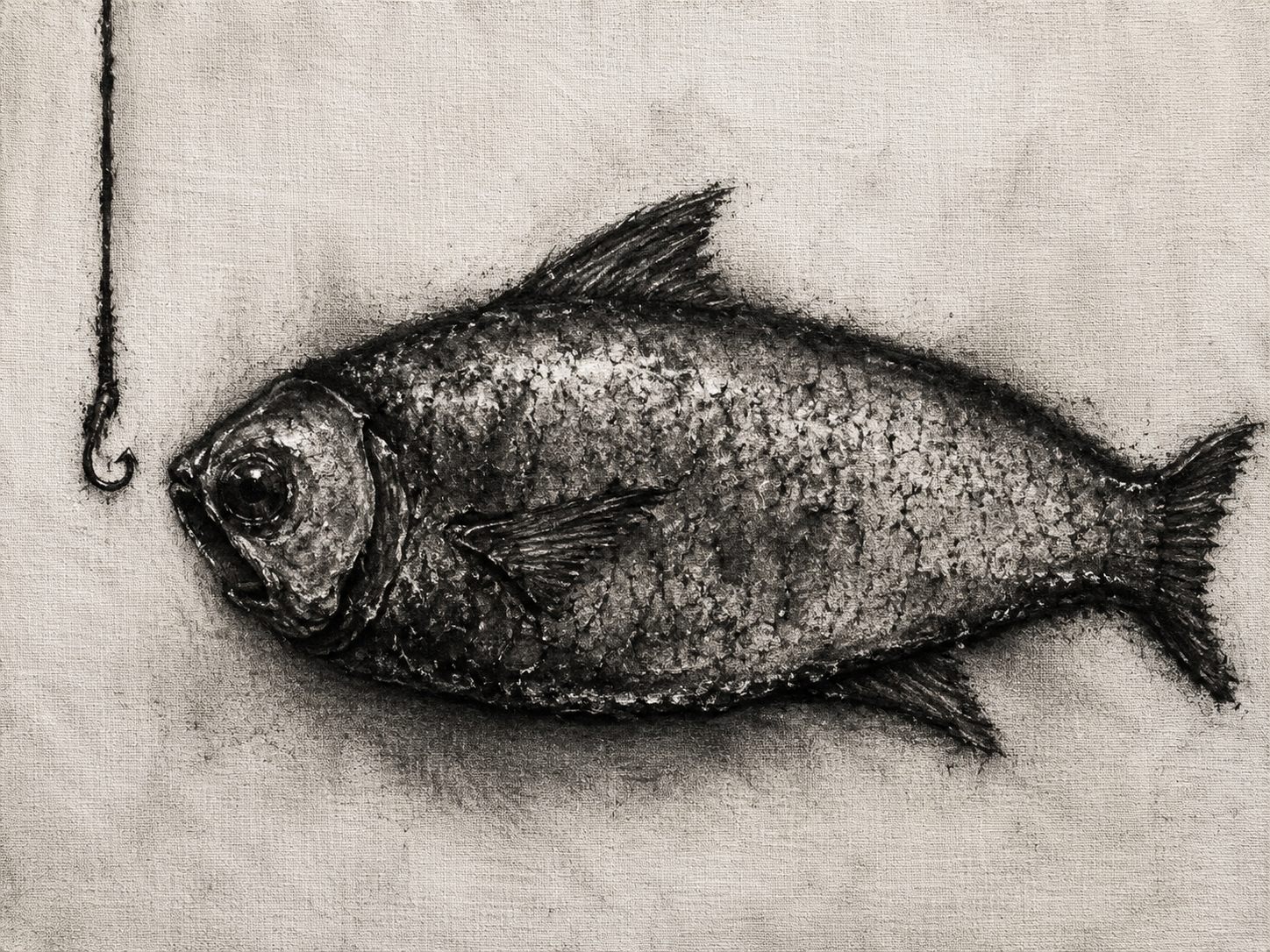
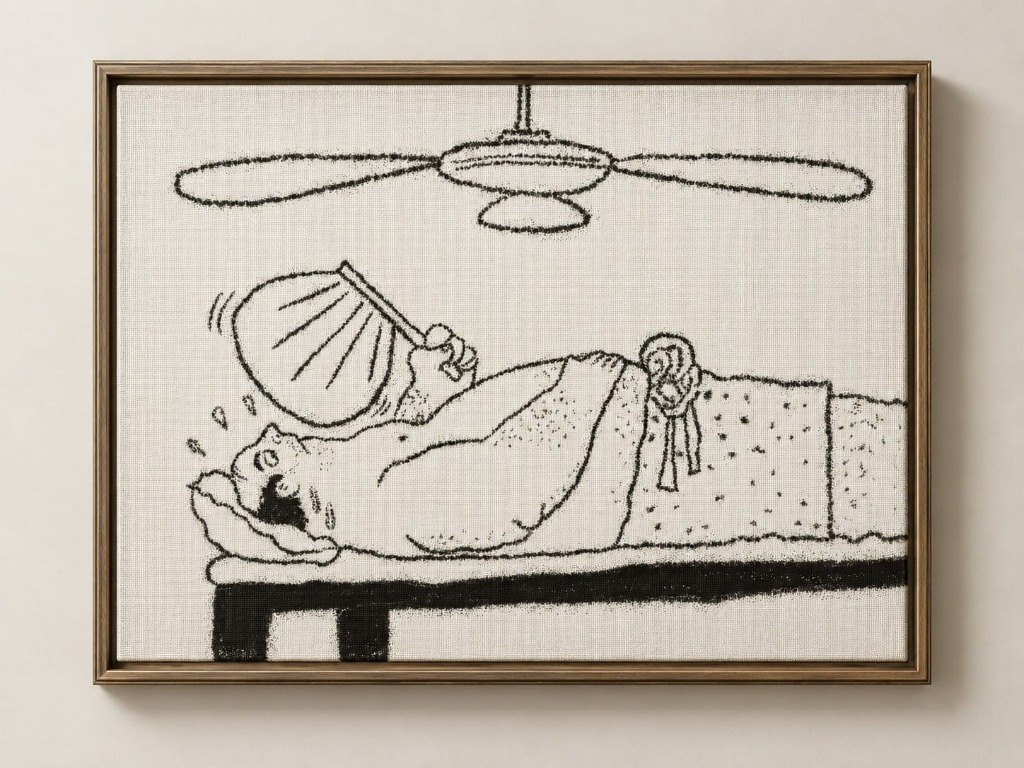
Some mornings it comes slowly. The room is the same room. The ceiling fan is still turning with its usual tired philosophy. The plastic water bottle is by the bed. The phone is on the pillow, glowing like a small greedy fish. Somewhere a pressure cooker whistles. Somewhere a neighbor drags a chair with the exact sound of civilization losing patience.
Nothing has happened.
And yet everything has changed.
The tea, if I manage to make it, tastes like a failed committee decision. The laptop looks at me with the cold confidence of an unpaid creditor. A bath becomes a national infrastructure project. Opening WhatsApp feels like entering Writers’ Building in 1987 with three missing forms and no correct counter.
This is not sadness. Sadness is almost respectable. Sadness can wear a shawl, sit by the window, remember old songs, and behave like a thin Bengali novel with a raincloud on the cover.
Depression is cruder.
It does not ask, “Why are you unhappy?” It says, “Here, I have removed the music from everything. Continue.”
That removal is anhedonia, and it is a horrible little word because it sounds too clean for the crime it describes. It should sound more like a tin plate falling down a staircase. Anhedonia is not merely “not enjoying things.” That sounds like refusing dessert after a big lunch.
No.
Anhedonia is when pleasure has left the building but all the chairs remain. The cup, the towel, the news, the song, the biscuit, the afternoon light, the memory of someone’s face, even the idea of tomorrow — all are still there, but their inside has been scooped out. Like those sweets in bad shops that look like sandesh from outside and taste faintly of refrigeration and betrayal.
The world becomes monochrome.
Not black exactly. Not dramatic enough for black. More like the color of old government files, damp walls, and Monday afternoons in a cheap rented flat where the fan is working but not helping. The anguish is not always loud. Sometimes it is worse. It is plain. It sits there. It does not even have the courtesy to be interesting.
I am 51 now, which is an age when the body begins sending registered letters. Teeth complain. Hair resigns. Sleep behaves like a tenant who paid once in 2019 and now refuses to leave or stay properly. You look at your own face in the mirror and see not tragedy, exactly, but an overused public building.
Add bipolar depression to this, add anxiety, add a consulting income that arrives like a shy goat in a thunderstorm, and life becomes a small accounting exercise performed during a cyclone.
This is where people usually say, “Be positive.”
One must admire the confidence of this sentence. It has the mechanical simplicity of telling a man with a broken leg to “walk more elegantly.” Be positive. Go outside. Meet people. Exercise. Eat well. Think good thoughts. Drink water. Get sunlight.
None of these is wrong.
That is the irritating part.
They are just often useless at the wrong depth of weather. A paper umbrella is also technically an umbrella, until the monsoon develops opinions.
There are depressions where a walk helps. There are depressions where music helps. There are depressions where sunlight, routine, sleep, medicine, talk, work, and one decent cup of tea can push the day back into shape. I respect these things. I am not against common sense. Common sense is a fine thing, like a good steel tiffin carrier.
But under the full cloud, advice arrives as sound without traction.
You can hear the words. You may even agree with them. But agreement does not generate movement. That is what outsiders miss. They see a man lying in bed and think nothing is happening. They do not see the invisible wrestling match in the nervous system. They do not see the mind trying to lift a teaspoon and finding it has the emotional weight of Howrah Bridge.
Depression makes effort expensive.
Not poetically expensive. Actually expensive. The smallest action demands negotiation. Sit up. Why? Brush teeth. Why? Reply to message. Why? Eat. Why? Work. Why? Continue. Why?
A healthy brain answers these questions before they are asked. It throws little coins of reward into the machine. Brush your teeth, feel slightly better. Finish work, feel relief. Call someone, feel connection. Eat something, feel restored. The machine is not perfect, but it pays.
In depression, the machine keeps the coins.
You do the thing and receive no change.
This is why the day becomes so absurd. You may spend two hours preparing to do a ten-minute task, and then fail. From outside it looks like laziness. From inside it feels like trying to start a scooter whose engine has been replaced by wet bread.
Here is a small Calcutta example. Suppose I need to go downstairs to buy eggs. This is not climbing Everest. This is not applying for a visa. This is not negotiating peace between two countries who have already printed the war posters.
It is eggs.
Yet under depression, eggs become a saga. First there is the shirt problem. Then the face problem. Then the hair problem. Then the neighbor problem. Then the possibility of conversation. Then the heat outside. Then the fear that the shopkeeper will ask some harmless question like “Dada, aar kichhu?” and I will have to behave like a functioning citizen.
So I do not go.
Then I feel guilty for not going.
Then the guilt joins the depression like a local political worker joining a procession he did not organize but fully intends to dominate.
This is how the cloud thickens.
People think depression is one emotion. It is actually an entire municipal system. Sadness department. Shame department. Memory department. Forecasting department. Useless comparison department. Department of Old Failures and Recently Discovered Evidence Against Yourself. All open. All understaffed. All stamping files.
And the news does not help. You open the phone and the world is also malfunctioning. Wars, elections, heat, floods, markets, scandals, rich men building rockets while ordinary people calculate cooking oil. Every headline arrives with the cheerful implication that civilization is a bus with bad brakes going downhill through Ultadanga.
Then someone online says, “Practice gratitude.”
Fine. I am grateful. I am grateful for tea, antibiotics, ceiling fans, clean water when available, and the fact that most chairs do not suddenly explode. Gratitude is not the enemy. But gratitude is not a crowbar. It cannot always pry open a jammed nervous system.
This is the part I want to say plainly.
Depression is not a moral failure. It is not lack of character. It is not laziness dressed in medical English. It is an illness that changes the felt value of the world.
That phrase matters: felt value.
The world may still have value. The mind may know it. But knowing is not feeling. A menu is not a meal. A map of Darjeeling is not mountain air. A bank statement showing theoretical solvency is not money in hand when the rent is due. Depression attacks that gap between information and experience.
You may know life is worth living and still be unable to feel the worth.
That is the black comedy of it. The educated mind can explain the trap while sitting inside it. Like a man drowning who can give a neat lecture on fluid mechanics.
I have lived long enough to distrust grand cures. I distrust motivational shouting, imported wellness words, and those smiling diagrams where life improves in six pastel steps. Human beings are not PowerPoint slides. Especially not middle-aged Bengali men in small rooms with old fears, erratic sleep, and a mind that sometimes turns the entire sky into wet cement.
But I do trust naming.
Not as cure. As resistance.
When I say, “This is depression,” I remove one lie. When I say, “This is anhedonia,” I remove another. When I say, “This is weather,” I remove the biggest lie of all — that the cloud is me.
Weather is real. Weather can kill. Weather can flood the house, rot the books, ruin the rice, make the city smell like a forgotten drain. But weather is not identity. A man under rain is not rain. A room full of fog is not made of fog.
On the worst days this does not comfort me.
But it gives me a small railing to hold.
The cloud has come before. It may come again. It may come slowly like humidity or violently like a nor’wester throwing dust through the window. Once under it, the experience is painful, monochrome, anhedonic anguish. That is not melodrama. That is the field report.
Still, somewhere behind the cloud, without asking my permission, the sky continues its old work.
I do not always believe in hope.
But I believe in weather changing.
Not because I am noble.
Because even Calcutta, after suffocating you all afternoon like a damp towel with municipal ambitions, sometimes produces one small breeze at evening.
And for that breeze, a man may keep the window unlatched.
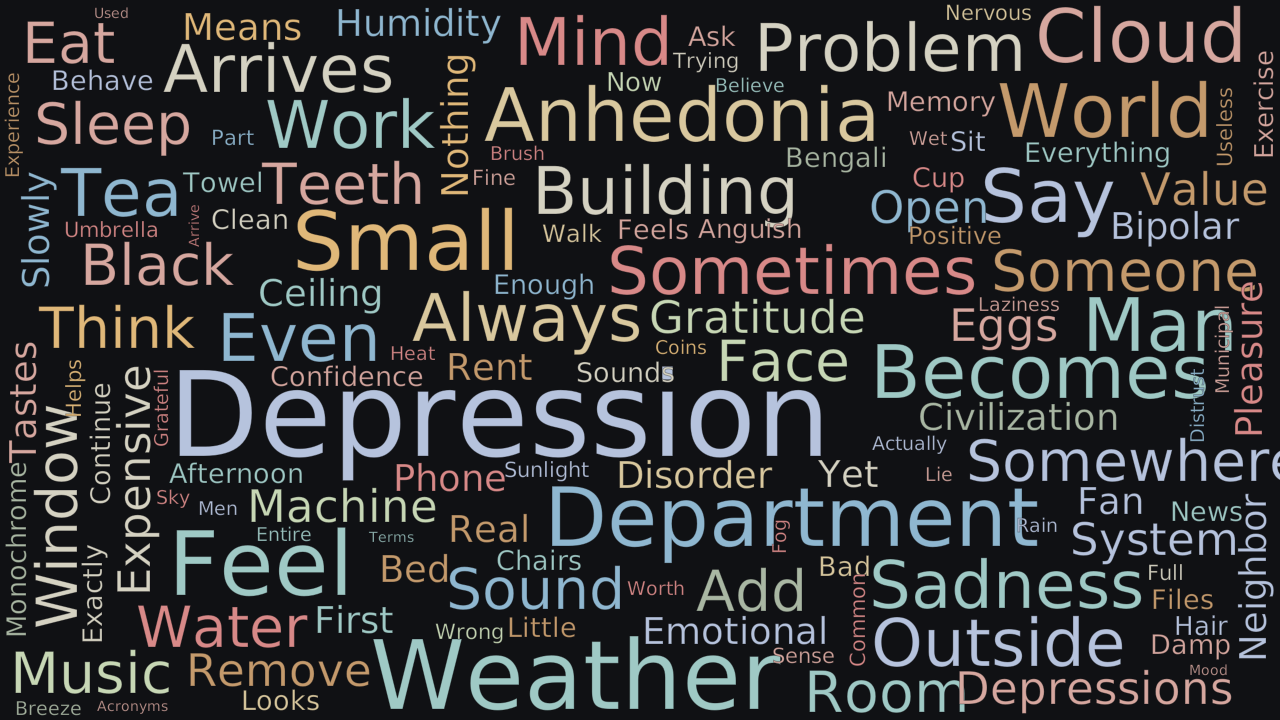
Word Cloud
Related reading
Selected by shared topics and section, with closer publication dates breaking ties.