The Complacent Loser and the Texture of Survival
Uses the speech voice supplied by your browser or device.

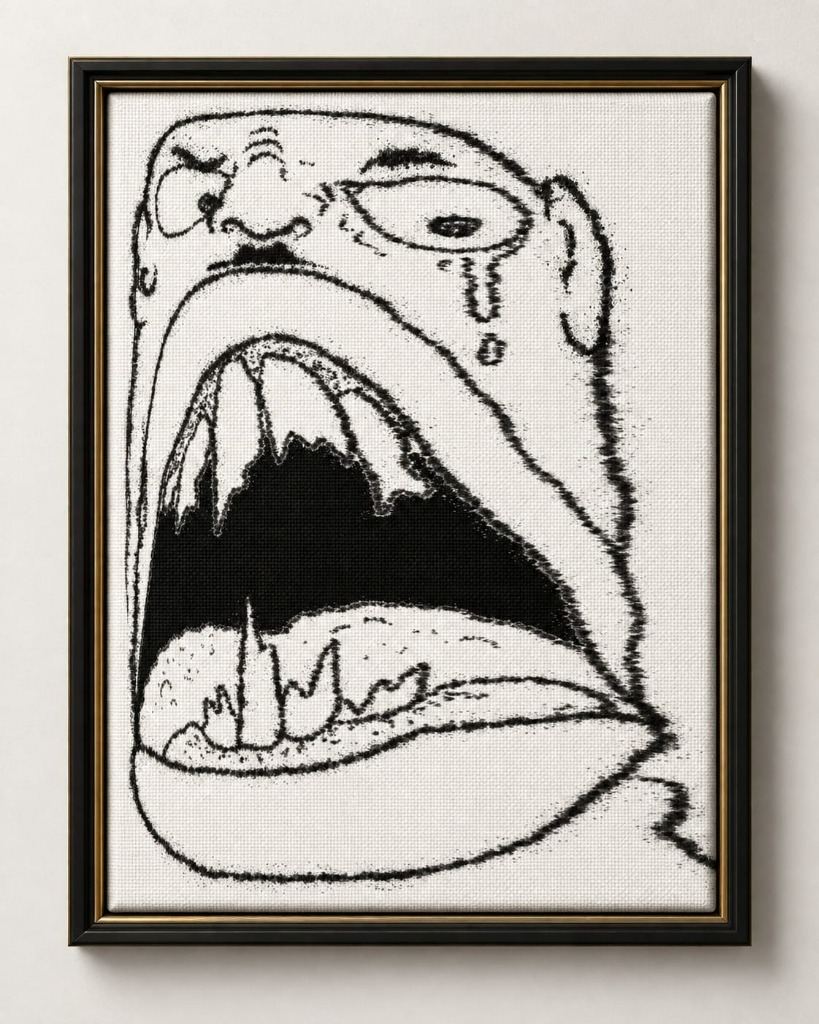
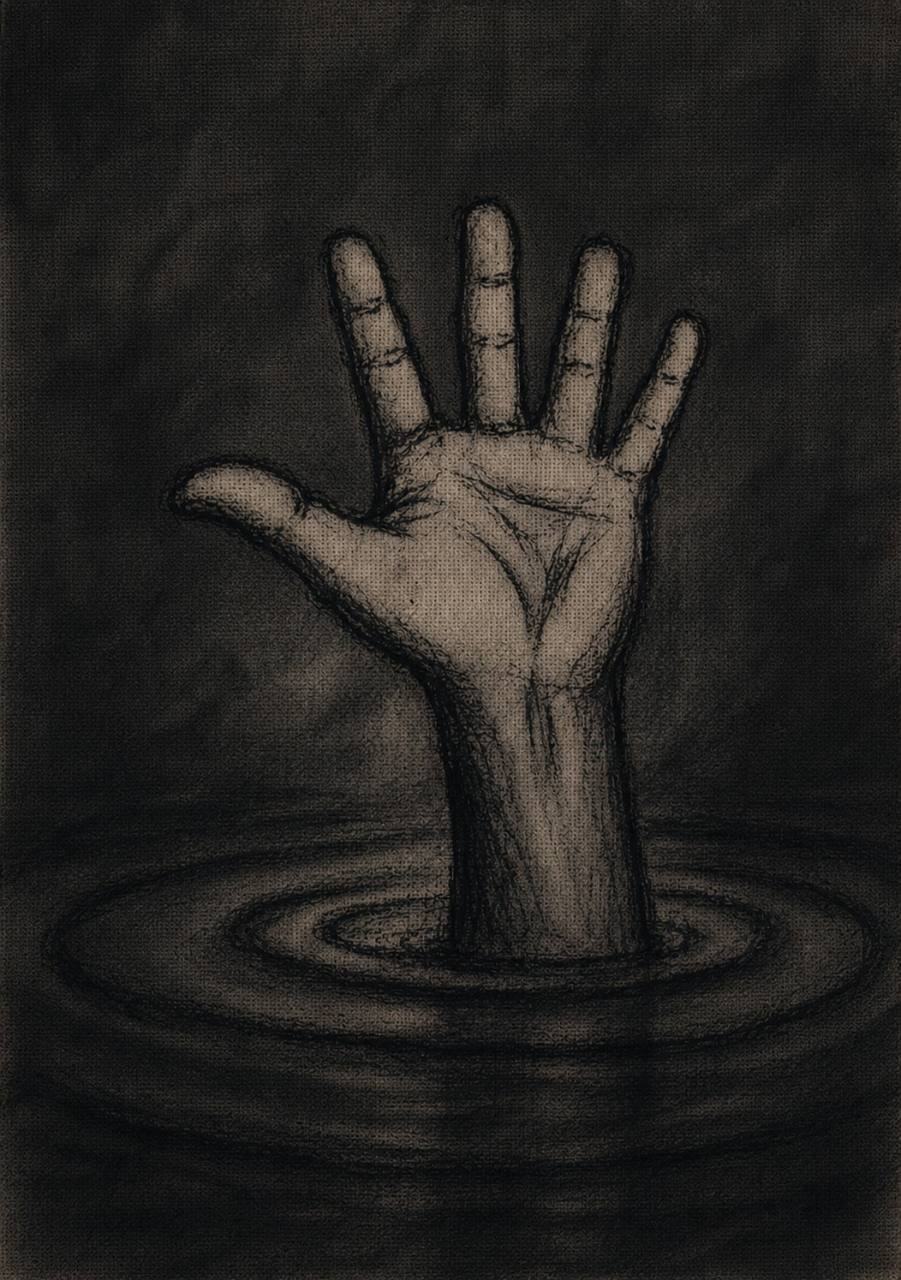
I have been clinically depressed, which is to say I have been professionally suspicious of joy. Joy, that slippery charlatan, that serotonin-soaked snake oil salesman peddling its wares in the marketplace of my limbic system. Joy arrives uninvited, knocks loudly, drinks all the wine, and leaves me with the bill and a headache that lasts six months. But here is the perverse miracle of the thing: depression taught me to doubt. Not merely to doubt the good days—anyone can do that, any half-wit with a weather app can predict rain—but to doubt the architecture of my own certainty, the load-bearing walls of my narrative, the very foundation upon which I had built my tower of self-importance and watched it lean, lean, lean, and finally topple into the Ganges of my own grandiose delusions.
Post-traumatic stress is the ghost that haunts the house; post-traumatic growth is the bastard who buys the house, renovates it, and charges the ghost rent. I am that bastard. I am the landlord of my own haunting. And let me tell you, the rent in Calcutta is cheap, the tenants are noisy, and the plumbing is a metaphor for everything.
The word trauma comes from the Greek τραῦμα, meaning wound. Not merely a cut, mind you, but a piercing, a penetration, the kind of injury that leaves a hole where wholeness used to reside. And growth? From the Old English grōwan, to flourish, to increase, to swell with the arrogant certainty of vegetation. Post-traumatic growth, then, is the wound that swells, the scar tissue that becomes sculpture, the keloid that says: I was here, I was torn, and behold—I have made a monument of my mutilation. The psychologists Tedeschi and Calhoun, those twin architects of this concept, would have us believe that trauma can be a springboard. I prefer to think of it as a trampoline: you fall, you bounce, you fall again, and somewhere in the vertigo between ascent and descent, you learn to enjoy the nausea.
Depression made me suspicious. Suspicious of happiness, suspicious of success, suspicious of the American dream that I had chased across fifteen years of healthcare research like a dog chasing a car—only to discover, upon catching it, that I had no idea what to do with a Chevrolet and no desire to drive it anywhere. But this suspicion, this chronic doubt, this relentless interrogation of evidence, became, in the aftermath of trauma, a kind of critical lens. A lens ground not from glass but from grief, polished not by hope but by the abrasive reality of repeated disappointment. I do not fall into traps anymore because I have spent years mapping every trap in the territory of my own mind. I am the cartographer of my own catastrophe.
And Calcutta. Oh, Calcutta. The city of joy, the city of sorrow, the city where joy and sorrow hold hands and jump into the Hooghly together like lovers in a Satyajit Ray film. The holiness and the fraud, the dirt and the drama, the friction of trying to live alone in a city that does not believe in solitude, that crowds you, breathes on you, shares your rickshaw and your tuberculosis and your afternoon tea. I live outside the modern comfort zone, which is to say I live outside the air-conditioned bubble of consumerist anesthesia that passes for mental health management in the West. I do not have the funds to manic. I do not have the credit limit to spiral. My poverty is my Prozac, my deprivation my lithium, my inability to afford a shopping spree the very thing that keeps me from the positive feedback loop, the attractor state, the manic vortex that swallows bank accounts and marriages and reputations whole.
Is this post-justification of defeat? Is this the sour grapes of Aesop, the fox who could not reach the grapes and declared them sour, except in my case the grapes were a six-figure salary and a 401(k) and I declare them not sour but poisoned, laced with the arsenic of aspiration, the strychnine of striving? Or is this the oldest wisdom, older than my diagnosis, older than the DSM-5, older than the very concept of pathology itself? The Advaita Vedanta, that monistic monster of Indian philosophy, tells us that the self is illusion, that the ego is the root of suffering, that to know thyself is to know that there is no self to know. The Upanishads declare: तत् त्वम् असि. Thou art that. Not thou art successful, not thou are accomplished, not thou art the sum of thy publications and thy patents and your peer-reviewed papers. Thou art that. The infinite, the undifferentiated, the cosmic soup from which all form emerges and into which all form dissolves. And if thou art that, then what is defeat? What is victory? What is the rat race but rats racing, and what is consumerism but the consumption of the consumer, the ouroboros with a credit card?
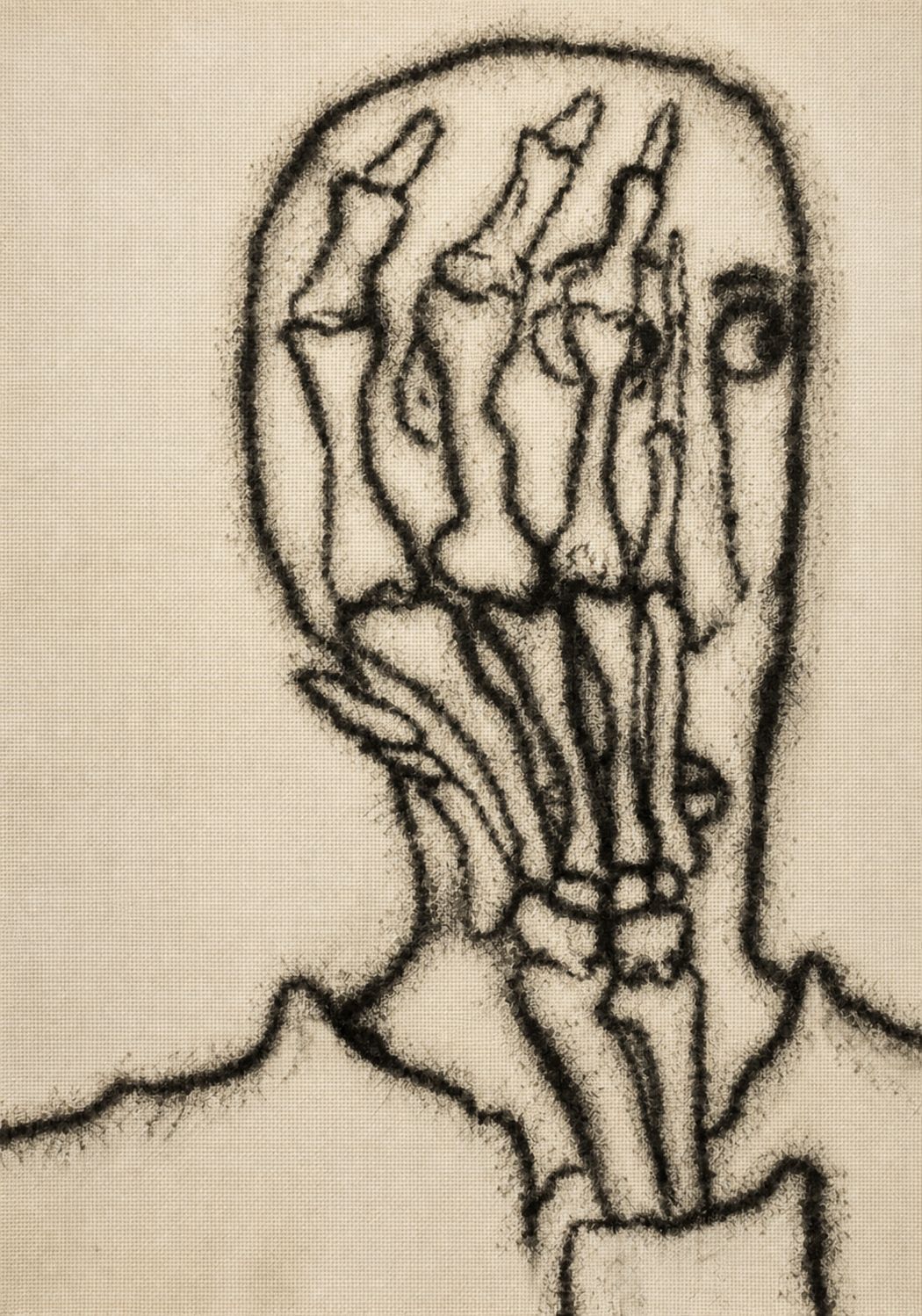
The texture of coping, the granular, gritty, sand-between-your-teeth reality of prolonged adversity, makes knowing thyself more than a platitude. It makes it a practice, a discipline, a daily excavation of the archaeological site of your own psyche. You dig through the layers: the topsoil of presentation, the subsoil of performance, the bedrock of belief, and finally, if you are lucky, if you are persistent, if you are sufficiently brutalized by circumstance to keep digging when every shovel-full screams stop, you reach the bedrock. And the bedrock is silence. And the silence is not empty; it is full of the answer to a question you were too afraid to ask.
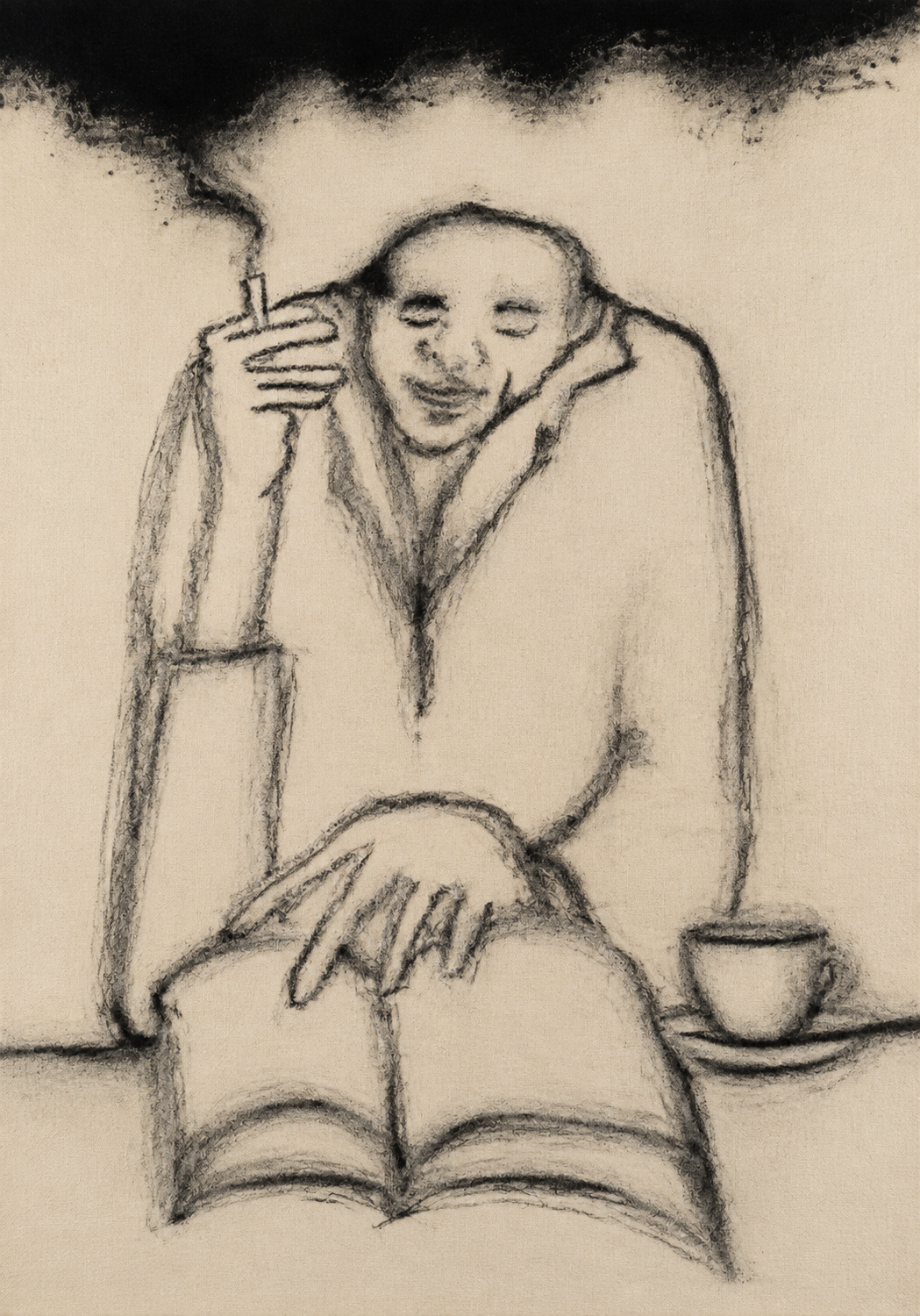
I sit still now. I do not struggle with my own thoughts. They come, they go, like the monsoon, like the traffic on Rashbehari Avenue, like the endless, endless, endless procession of existence. I watch them. I do not chase them. I do not flee them. I am the complacent loser, and in my complacency I have found a strange, perverse, probably pathological peace. The loser who does not lose because he has stopped playing the game. The complacent who is not complacent because he has never been more alert, more awake, more excruciatingly aware of the cost of every choice, every compromise, every capitulation to the narrative of progress.
Bipolar disorder, that oscillation between the mountaintop and the abyss, between the grandiose and the grave, has burned the consumerism out of me like a fever burns infection. I do not want. I do not want to want. I have seen what wanting does, how it feeds the mania, how the mania feeds the wanting, how the loop loops and the attractor attracts and suddenly you are buying a boat you cannot sail and a watch you cannot wind and a life you cannot live. I have no funds for that theater. I have no stage. I have no audience. I have only this: the texture of survival, the granularity of coping, the daily, hourly, minutely practice of being present in a city that demands your absence, your distraction, your dissolution into the crowd.
And so I wonder, in the wondering that is the only honest activity left to me, whether the complacent loser is not the oldest archetype, the original position, the default setting of consciousness before civilization came along and convinced us we needed to be winners, achievers, producers, consumers, cogs in the machine of meaning-making. The Bhagavad Gita says: कर्मण्येवाधिकारस्ते मा फलेषु कदाचन. You have a right to perform your prescribed duty, but you are not entitled to the fruits of action. The complacent loser is the one who has heard this, understood it, and decided that the duty itself is suspect, the prescription probably fraudulent, and the fruit not worth the gastrointestinal distress.
I do not know if this is wisdom. I do not know if this is pathology. I know only that I am here, in Calcutta, in the heat and the holiness and the fraud and the friction, and I am not manic, and I am not dead, and that seems, for today, for this hour, for this breath, sufficient. The wound has swollen. The scar has become sculpture. The loser has found, in losing, a peculiar, particular, probably temporary peace.
P.S. References: Tedeschi, R. G., & Calhoun, L. G. (2004). Posttraumatic growth: Conceptual foundations and empirical evidence. Psychological Inquiry, 15(1), 1–18. | Chandogya Upanishad 6.8.7 (Tat Tvam Asi). | Bhagavad Gita 2.47.
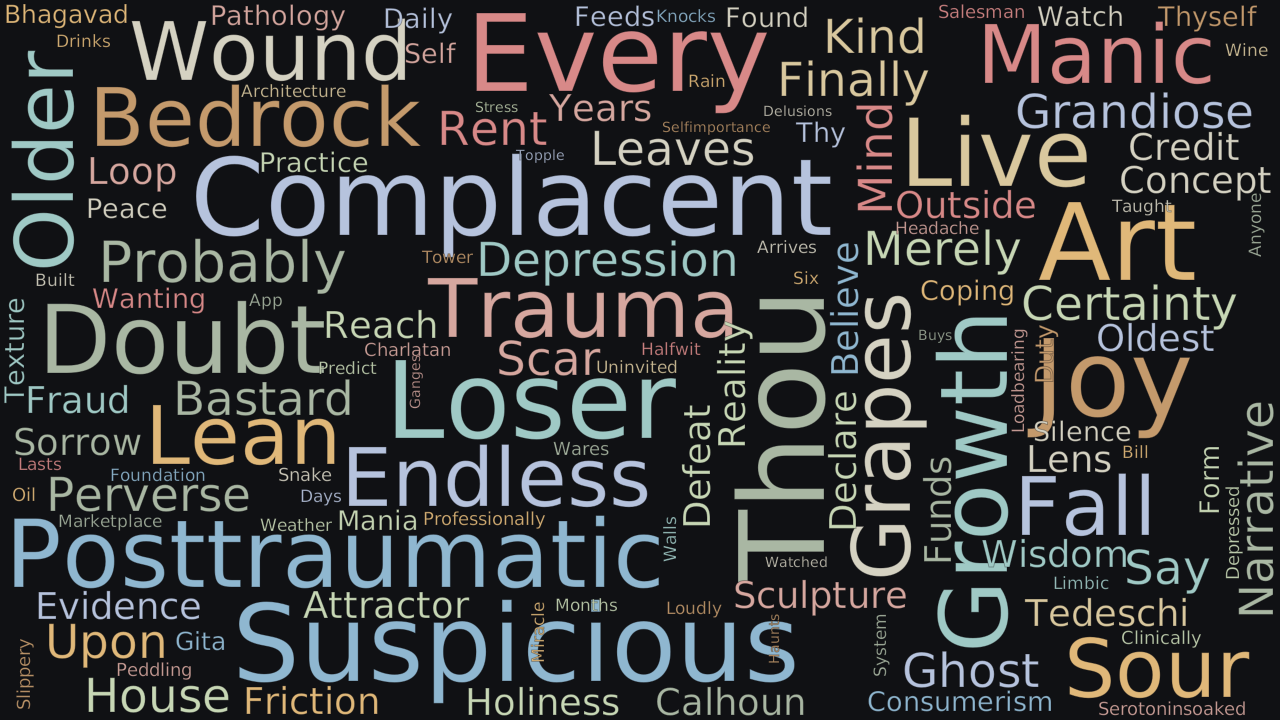
Word Cloud
Related reading
Selected by shared topics and section, with closer publication dates breaking ties.